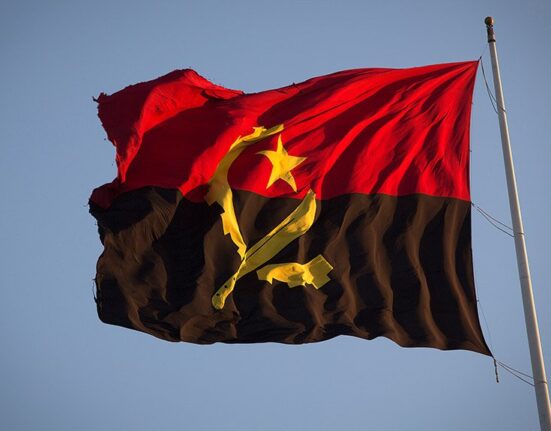
Lagos – Fundo de Garantia de Crédito (FGC), Angola’s state-backed credit guarantee fund, is emerging as one of the country’s most important financial risk-sharing institutions, as Luanda intensifies efforts to diversify the economy, widen access to finance and decentralise productive investment beyond the oil sector.

AfricaHeadline Reports Team
editorial@africaheadline.com
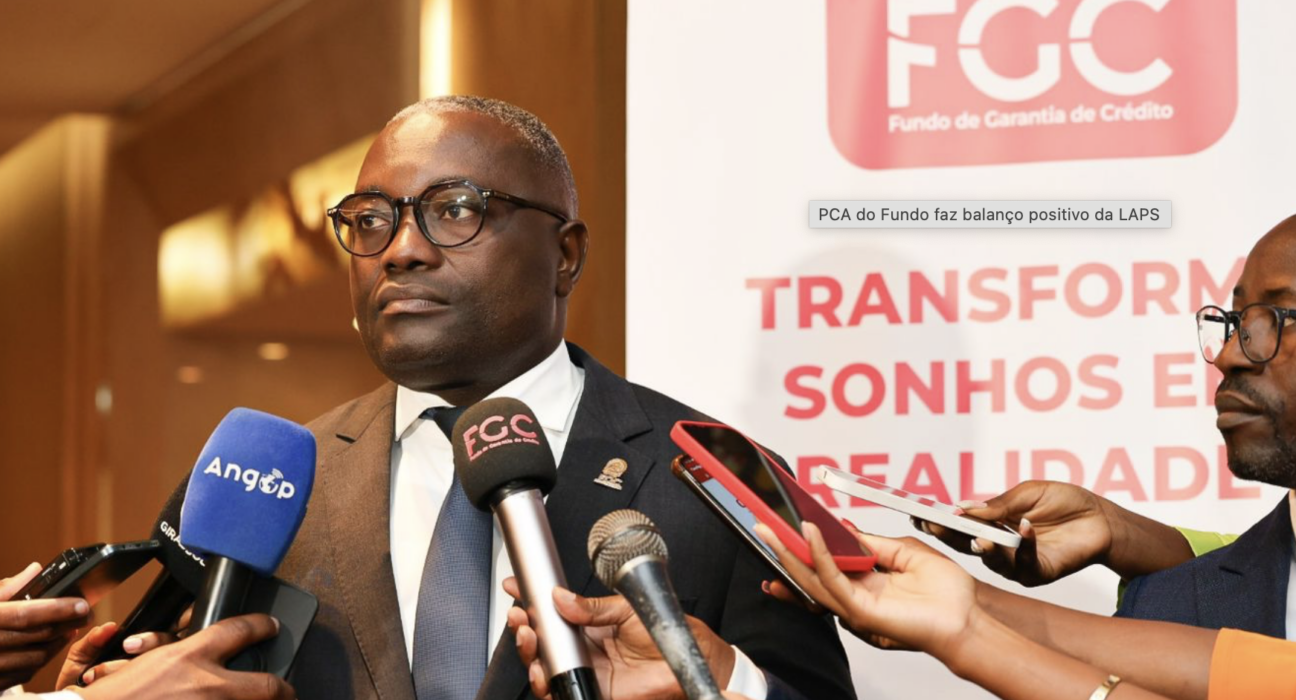
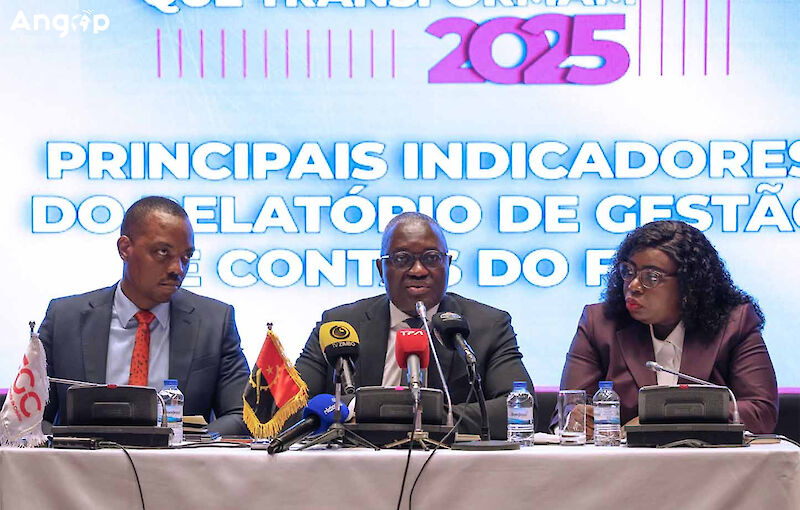
Speaking during the second edition of the institution’s “Coffee with Journalists” forum held in Luanda on Wednesday under the theme “Results that Transform”, FGC executives outlined the scale of the fund’s growing role in supporting small businesses and reducing credit risk for commercial banks.
In 2025 alone, the institution facilitated approximately $158mn in financing to the Angolan economy by issuing around $111mn in public guarantees, covering an average of 71 per cent of the underlying credit exposure.
The figures highlight the increasingly strategic role of public guarantees in a banking system where many entrepreneurs, particularly in agriculture, trade and micro-enterprise, still struggle to provide sufficient collateral to secure loans.
“Most micro-entrepreneurs simply have nothing to present as collateral to the banking sector. The role of FGC is precisely to absorb part of that risk and make financing possible,” said Luzayadio Simba, chairman of the fund.
Microcredit becomes a central pillar of financial inclusion
Although microcredit represents only around 7 per cent of the total monetary value guaranteed by the institution, it accounts for nearly 90 per cent of all projects supported by the fund, a sign of the growing emphasis on financial inclusion and grassroots entrepreneurship.
FGC executives pushed back against the perception that microcredit beneficiaries are systematically high-risk borrowers, arguing that repayment levels among small entrepreneurs have proven more resilient than commonly assumed.
In a country where large segments of economic activity remain informal, the expansion of microcredit is increasingly being viewed not only as an economic tool, but also as a social stabilisation mechanism.
According to FGC data, guarantees issued during 2025 helped create approximately 21,778 jobs, particularly in agriculture, small-scale commerce and community-based services.
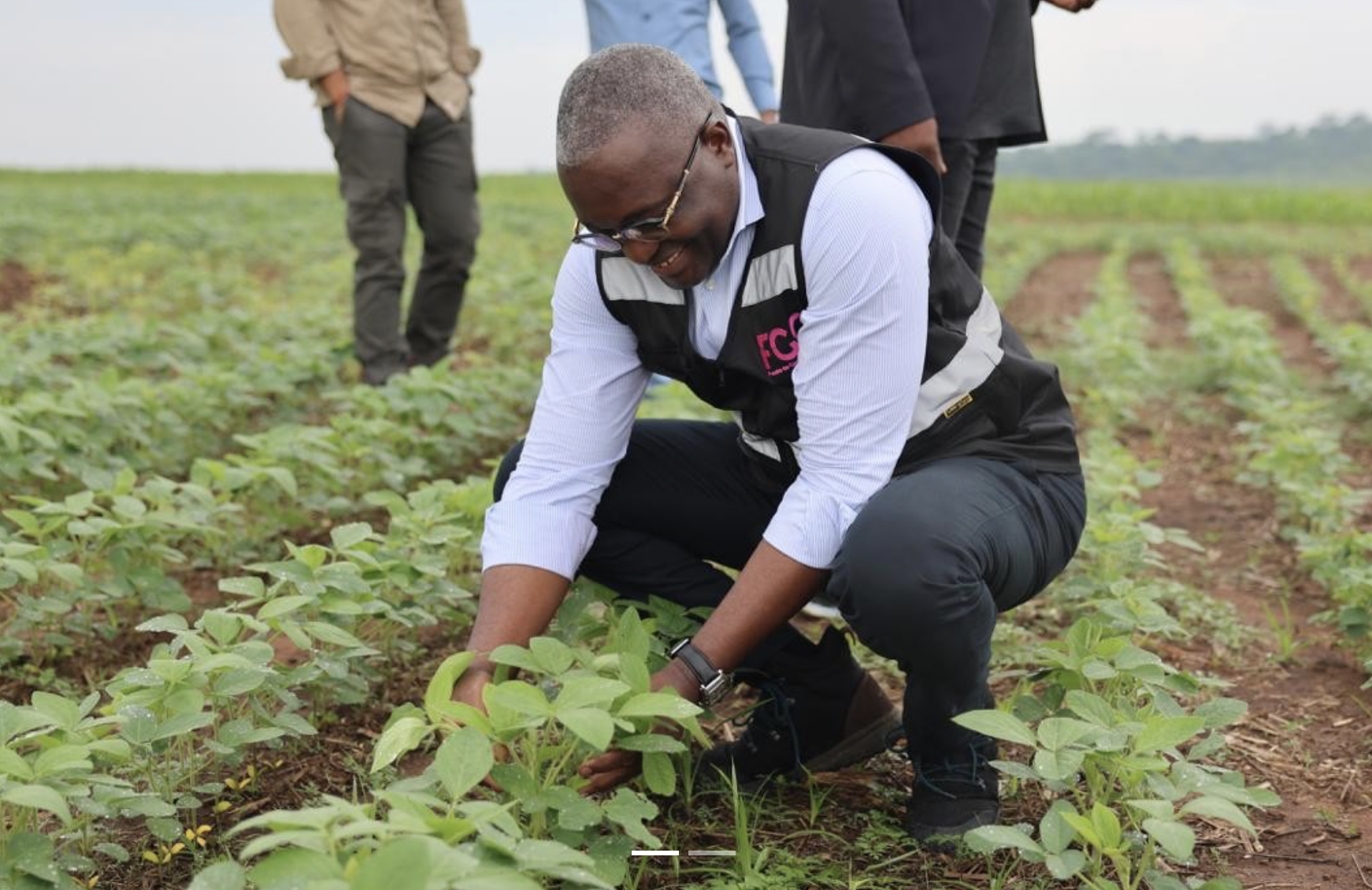
One of the fund’s flagship instruments, the Microcredit Support Line (LASMC), backed 10,420 projects and mobilised roughly $17mn in financing during the year.
Manufacturing and agriculture dominate guaranteed financing
Operational figures presented by Eduardo Mohamed showed that manufacturing remained the largest recipient of state-backed guarantees by value.
The sector accounted for approximately $46mn in guarantees across 1,314 projects, unlocking more than $66mn in financing.
Agriculture followed closely, receiving nearly $25mn in guarantees for 1,381 projects, which enabled around $37mn in loans.
The data suggest increasing alignment between Angola’s public guarantee mechanisms and broader industrial policy objectives aimed at import substitution, food security and domestic production expansion.
Livestock projects secured roughly $22mn in financing, while fisheries received more than $9mn. Trade led in the number of operations, with 3,183 guaranteed projects, reflecting the continued dominance of proximity commerce and small retail activity within Angola’s non-oil economy.
Regional expansion signals deeper decentralisation strategy
FGC also announced a new phase of regional expansion as part of its decentralisation strategy.
Following the establishment of its regional structure in Benguela, the institution plans to open a new branch this year in Lunda-Sul to support Angola’s eastern corridor.
The move is intended to reduce operational barriers for provincial entrepreneurs and lessen the concentration of financial services in Luanda.
According to Luzayadio Simba, mobile field teams are already operating across several provinces to identify projects, assess proposals and facilitate access to public guarantees.
While Luanda continues to dominate in both financial volume and project numbers, provinces including Huíla, Malanje, Cuanza-Sul and Uíge are beginning to show stronger entrepreneurial momentum.
Net profit rises 19% despite operational pressures
On the financial side, FGC reported net profit of approximately $8.7mn in 2025, representing a 19.17 per cent increase from around $7.3mn recorded in the previous year.
Efigênia Mpengo, the institution’s executive administrator for finance and administration, said the improvement was driven by stronger returns from securities and investment-related income, which lifted financial margins to approximately $28mn.
However, operational results declined by around 40 per cent to roughly $5mn, largely due to the creation of a dedicated Project Monitoring Directorate aimed at improving oversight and reducing defaults.
FGC executives argued that tighter monitoring mechanisms are beginning to improve recovery rates and lower non-performing exposures, particularly in sectors historically associated with higher credit risk, such as manufacturing.
“The work of FGC does not end when a guarantee is called. Recovery and monitoring remain part of the process,” Luzayadio Simba said.
Public guarantees increasingly central to Angola’s economic transition
With 19 agreements signed with commercial banks and shareholders’ equity estimated at approximately $185mn, FGC is gradually positioning itself as a key pillar of Angola’s economic transformation strategy.
The institution’s expansion reflects a broader policy shift within the Angolan government towards building a more diversified, production-oriented economy less dependent on oil revenues.
In an environment still characterised by high financing costs, limited collateral availability and a relatively shallow private credit market, public guarantees are increasingly functioning as a corrective mechanism for structural weaknesses within the financial system.
The challenge for FGC now lies not only in sustaining growth, but also in maintaining financial discipline, improving loan recovery rates and ensuring that guaranteed credit translates into long-term productive capacity across the wider economy.
__
By AfricaHeadline Editorial Desk
Strategic Insight. African Perspective.
© 2026 AfricaHeadline Media Network. All Rights Reserved.
**This material is protected under international copyright and intellectual property laws. No part of this publication may be reproduced, distributed, transmitted or republished in any form or by any means without prior written authorization from AfricaHeadline Media Network.**