AFRICAHEADLINE | The 100 Most Influential Africans of 2025
AH-II Score: 9.9/10 ⭐⭐⭐⭐⭐⭐⭐⭐⭐⭐
Categoria: TITAN OF AFRICA – Liderança, Estabilidade e Paz Continental
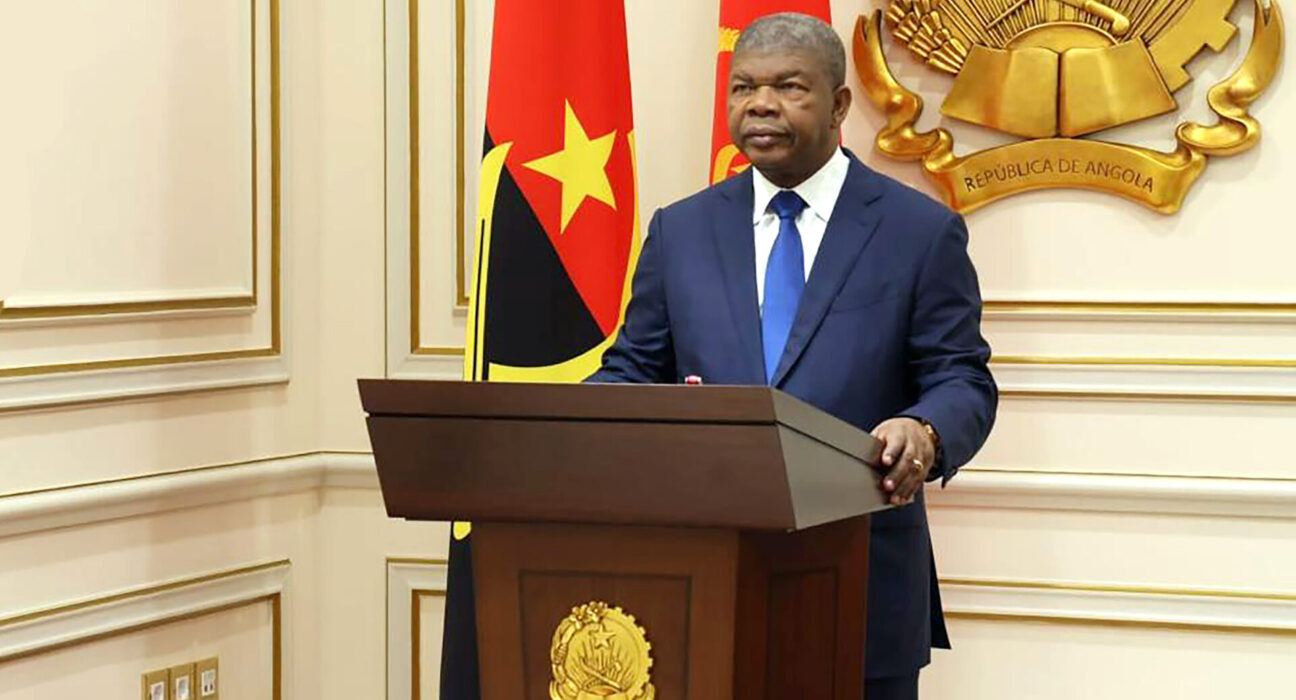
Among contemporary African leaders, few figures wield as broad and consequential an influence as João Lourenço, the president of Angola.

AfricaHeadline Reports Team
editorial@africaheadline.com
In a region long defined by chronic instability, competing geopolitical interests, and protracted armed conflict, Lourenço has emerged as one of Africa’s most effective conflict mediators and diplomatic strategists. His stewardship of the Luanda Process, along with the calculated repositioning of Angola within Africa’s geopolitical landscape, places him at the center of some of the continent’s most sensitive security dynamics.
A mediator who became indispensable
The Luanda Process, a mediation framework between the Democratic Republic of Congo and Rwanda, has become one of the most consequential diplomatic initiatives in post–Cold War Africa. What began as a regional attempt to ease tensions has evolved into a reference mechanism trusted by Washington, Brussels, the African Union and the United Nations.
Lourenço achieved something rare: bringing deeply mistrustful actors to the negotiating table at a moment when direct military confrontation seemed imminent. His approach, a balance of discreet pressure, multilateral coordination and regional legitimacy, elevated him to a position no major capital can overlook when addressing security in the Great Lakes region.

Angola’s rise as a stabilizing power
Angola’s diplomatic posture under Lourenço extends far beyond the Congo–Rwanda dossier. It reflects a broader recalibration of the country’s role in Central and Southern Africa. By strengthening alliances within SADC, renewing strategic engagement with South Africa, reconnecting Angola to African Union priorities and simultaneously maintaining dialogue with major global powers, Lourenço positioned the country as a balanced and reliable actor.
The United States now sees Angola as a key partner in developing the Lobito Corridor, intended to redesign mineral export routes and reduce Africa’s dependency on infrastructure dominated by China. The European Union views Angola as central to its energy diversification agenda and regional security frameworks.
Taken together, these developments have transformed Luanda into one of the continent’s rare diplomatic hubs with cross-regional influence.
Leadership built on internal credibility
While international diplomacy is central to Lourenço’s influence, its effectiveness is grounded in domestic change. His anti-corruption agenda, economic restructuring efforts, support for national production, and pursuit of fiscal stabilization helped cultivate the perception that Angola is reconfiguring itself into a more predictable and institutionally coherent state, a prerequisite for any nation seeking to play a stabilizing role beyond its borders.
Angola has also invested discreetly in strengthening intelligence capabilities, modernizing parts of its defense sector, and revamping foreign policy machinery.
Diplomatic credibility is inseparable from internal consistency, and this explains Angola’s rise as a respected mediator.
The quiet confrontation with Kigali
One of the most delicate aspects of Lourenço’s recent tenure has been his firm stance toward Rwanda’s military and political operations in eastern DRC. Without resorting to inflammatory rhetoric, he articulated the position that Congolese sovereignty is non-negotiable and that the normalization of external interference in the region constitutes a direct threat to continental stability.

His intervention has gone beyond diplomatic statements: He applied sustained bilateral and multilateral pressure; Reorganized regional security efforts; Introduced new conditions into the mediation process;
Prevented Kigali from monopolizing the international narrative surrounding the conflict.
This approach distinguished Lourenço from the prevailing African tendency to avoid open confrontation, positioning him instead as a necessary counterweight to Rwanda’s expansionist posture.
A statesman navigating Africa’s major transitions
As Africa enters 2025, João Lourenço occupies a unique position:
One of the few African leaders with simultaneous legitimacy from the AU, SADC, the EU, the U.S., and the multilateral system;
A domestic leader credited with gradual but meaningful economic stabilization;
An international figure recognized as a steady mediator in a politically volatile region.
His ability to maintain open channels with actors who often compete, Washington, Beijing, Brussels and Pretoria, underscores his value as an indispensable interlocutor in a continent navigating demographic, economic, energy and geopolitical transitions.
In 2025, João Lourenço stands as one of the most consequential political figures in Africa, not merely because of the office he holds, but because of the tangible impact of his decisions and the diplomatic architecture he helped build.
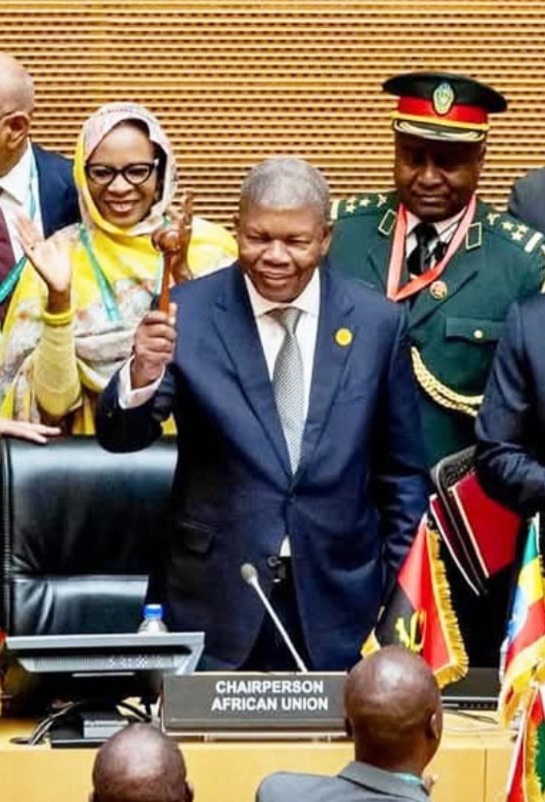
His work as a conflict mediator, combined with Angola’s repositioning as a stabilizing force, firmly places him at the top of the AfricaHeadline list of the 100 People Shaping the Future of the Continent.
It is uncommon for an African president to exercise such central influence in a conflict as complex as that of the Great Lakes. Yet Lourenço has succeeded in transforming Angola into a platform for regional stability, and in the process, has become a pivotal actor in Africa’s contemporary diplomatic landscape.
AfricaHeadline | Special Edition
Edited by the AfricaHeadline International Desk