Across Africa, an increasing number of presidents are finding ways to remain in office beyond their constitutionally mandated terms. By amending laws, scrapping age limits, sidelining opponents or consolidating power within ruling families and parties, leaders are reshaping political systems to extend their rule.

AfricaHeadline Reports Team
editorial@africaheadline.com
The trend is evident in Uganda, Cameroon, Equatorial Guinea, Ivory Coast and, more recently, Guinea-Bissau. Analysts warn it risks weakening democratic norms, closing political space to younger generations, and fuelling instability across the continent.
African affairs analyst Demola Oshodi, speaking from Athens, says the root of the problem lies in the intoxicating nature of power combined with fragile institutions.
“Once power is secured, it is difficult to let go. This is not unique to Africa, but institutions here are weaker and less capable of restraining leaders’ ambitions,” he said.
According to Oshodi, many constitutional changes lack genuine popular consent. They are often the result of rigged referendums or tightly controlled parliamentary processes, with stability or economic growth cited as justification. But he insists such arguments cannot override democratic principles.
“You cannot exchange democracy for development. In diverse societies, inclusive representation is essential. Otherwise, exclusion breeds mistrust, and mistrust breeds conflict,” he added.
Over the past decade, at least 15 African states have altered or attempted to alter their constitutions to extend presidential mandates:
Rwanda (2015): Paul Kagame won a referendum allowing him to remain in power until 2034.
Uganda (2017): Yoweri Museveni removed the presidential age limit, extending a rule that began in 1986.
Cameroon (2008): Paul Biya abolished term limits and has remained in office for more than 40 years.
Republic of Congo (2015): Denis Sassou Nguesso lifted restrictions to contest elections again.
Ivory Coast (2020): Alassane Ouattara sought a third term, sparking violent protests.
Chad (2018): Idriss Déby rewrote the constitution before his death in 2021.
Guinea (2020): Alpha Condé secured a third term, only to be toppled in a coup.
Data from the African Union highlights the risks: between 2010 and 2022, more than 70% of military coups occurred in countries where leaders had tampered with constitutions to stay in power.
The political and legal consequences are significant:
Rule of law weakened: Arbitrary amendments undermine confidence in courts and electoral commissions.
Human rights under threat: Opposition figures are harassed, the media restricted, and political freedoms curtailed.
Regional obligations ignored: Protocols such as the ECOWAS agreement on democracy and governanceprohibit such practices, but enforcement is inconsistent.
Oshodi argues that the future rests with Africa’s youth, who make up the majority of the population.
“Africa’s younger generation is connected, politically aware, and unwilling to be excluded. If the system blocks them, they will challenge it—through protests, online activism, or more confrontational means,” he warned.
He stresses that progress depends not only on elections, but on stronger institutions—independent judiciaries, free media, and robust education systems.
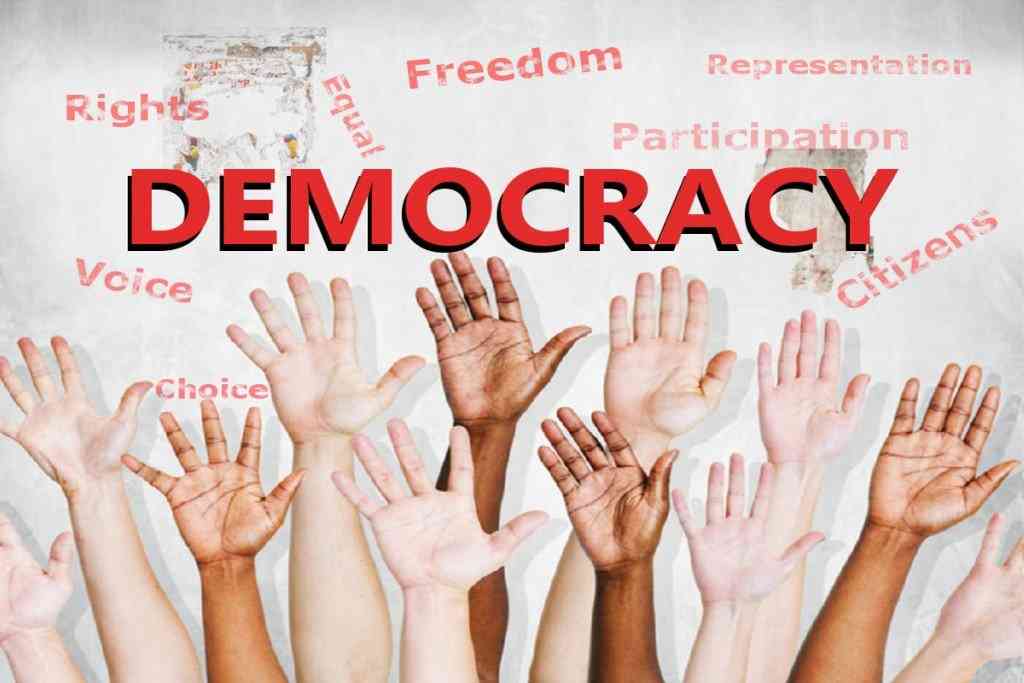
“Democracy is slow and often frustrating, but it remains the only reliable path to stability and inclusive governance,” Oshodi said.
The extension of presidential mandates may bring short-term stability, but in the long run it fuels corruption, ethnic tension and unrest. History shows that in Guinea, Mali, Burkina Faso and Chad, leaders who altered constitutions to secure their positions eventually faced mass protests, coups or outright collapse.
There is also an economic dimension. While some governments argue that continuity guarantees growth, the evidence suggests otherwise. Countries with regular transfers of power tend to enjoy greater investor confidence, more resilient institutions and stronger governance indicators. Ghana, for example, has held peaceful transitions since 1992, cementing its image as one of West Africa’s most stable democracies. In contrast, states where leaders cling to power often experience capital flight, reduced foreign investment and fragile development.Ultimately, Africa’s future depends on building systems stronger than individual leaders. Presidents who step down in line with constitutional mandates set powerful precedents for generations to come. By consolidating independent courts, credible electoral bodies and a free press, African nations can ensure democracy is not reduced to periodic voting, but becomes a culture of accountability and renewal.
Only then can the continent avoid the perils of entrenched rule and unlock the full potential of its young and dynamic population.