


Prepared by
AfricaHeadline Security and Political Investigations Team
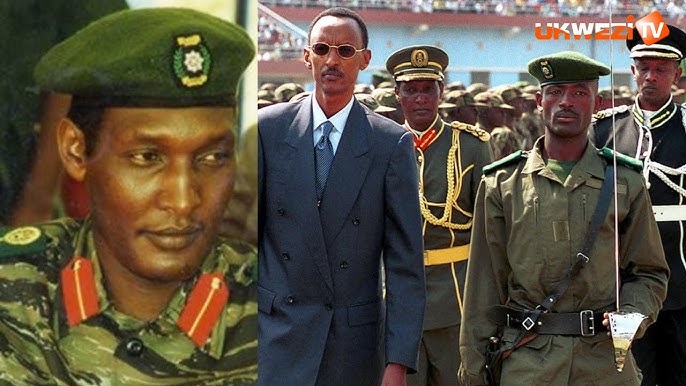
Faustin Kayumba Nyamwasa has become one of the most consequential and controversial figures in Rwanda’s contemporary history, not only for his role in shaping the country’s post-genocide military structure but for the extraordinary way his break with President Paul Kagame exposed the inner mechanics of a political system that tolerates no dissent and reaches far beyond its borders to silence critics.

AfricaHeadline Reports Team
editorial@africaheadline.com
For years, Nyamwasa stood at the center of Rwanda’s power architecture. He belonged to the tight-knit military elite that led the Rwandan Patriotic Front (RPF) to victory in 1994 and built the security-heavy state that followed.
But as Kagame consolidated his authority and tightened his grip on every lever of political life, the general gradually shifted from trusted insider to potential rival, a position the Rwandan presidency has historically treated as an existential threat.
Kagame is often celebrated abroad as a modernizer and a technocratic leader credited with rebuilding a shattered country. Inside Rwanda, however, he governs through a system defined by strict loyalty, sweeping surveillance and a command structure that does not allow alternative power centers to emerge.
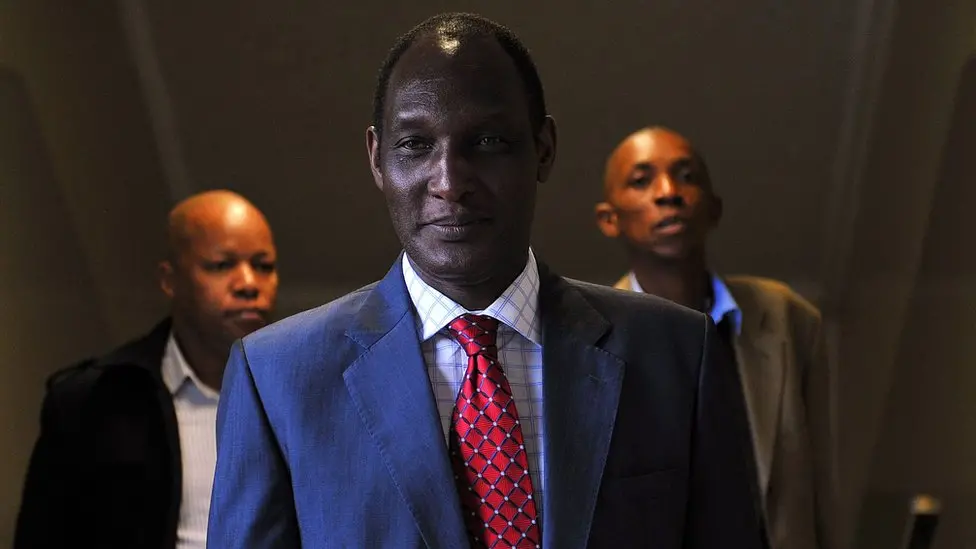
Nyamwasa, with his military prestige, strategic influence and internal networks, became exactly the kind of figure the system could not tolerate.
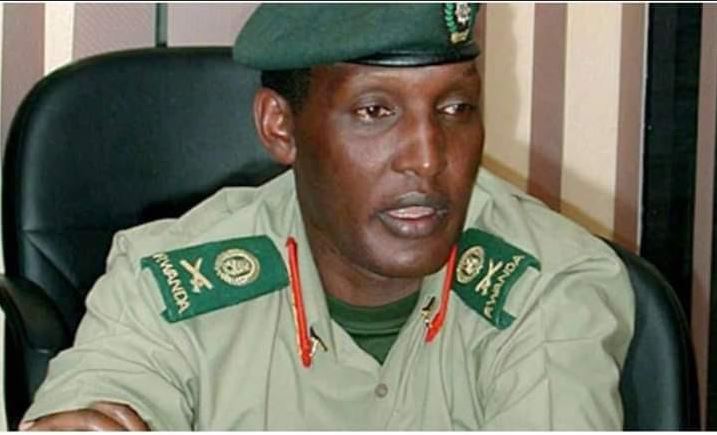
The president moved slowly but decisively. Over several years, Kagame neutralized Nyamwasa’s institutional influence, reassigned him to low-impact diplomatic roles and cultivated an atmosphere of suspicion around his political intentions. His appointment as ambassador to India, officially a mark of honor, was widely seen inside the RPF as a strategic sidelining.
The real rupture came later, when Nyamwasa traveled back to Rwanda for his mother’s funeral and was confronted by senior military officials demanding he issue a written apology to Kagame. Observers familiar with Kigali’s internal dynamics describe the request as a ritual of political submission, a test of loyalty. Nyamwasa refused.
That refusal made one thing clear: remaining in Rwanda was no longer safe. He fled to South Africa, where he sought asylum and helped launch the Rwanda National Congress (RNC), a movement composed largely of former insiders disillusioned with Kagame’s increasingly authoritarian rule. In Kigali, the emergence of the RNC was seen not merely as opposition but as a direct challenge to the president’s authority, a challenge Kagame was determined to crush.
What followed was a pattern AfricaHeadline has reported in other cases involving Rwandan dissidents abroad: a shift from political pressure to transnational repression. In June 2010, Nyamwasa was shot in the stomach outside his Johannesburg home in an attack South African authorities later linked to individuals with ties to Rwanda. Four men were convicted. Days later, Jean-Léonard Rugambage, a Rwandan journalist investigating the shooting, was murdered in Kigali.
In 2013, another prominent RNC figure, Patrick Karegeya, Rwanda’s former intelligence chief, was found strangled in a Johannesburg hotel. Kagame’s response was unusually blunt for a head of state. Speaking at a public rally, he declared: “Whoever betrays the country will pay the price. It’s only a matter of time.” For many diplomats and analysts, the comment reinforced long-standing accusations that Rwanda either conducts or tacitly condones extrajudicial operations targeting opponents overseas.
As South African authorities increased security around Nyamwasa and his family, Kigali continued to frame him as a destabilizing force. Rwanda accused him of organizing rebel activity in eastern DR Congo through a group known as P5, allegations that appeared as much political as military in nature. UN experts referenced his name in reports, but the broader assessment among regional analysts is that Kigali uses such claims to justify continued pursuit of high-profile exiles and to shape international perceptions of the opposition as inherently criminal or violent.
At the same time, Rwanda’s intelligence apparatus has earned a reputation for sophistication and reach, relying on diaspora networks, diplomatic channels, technology and covert operatives. Nyamwasa’s case illustrates how far the state is willing to go when it believes a dissident holds insider knowledge capable of undermining Kagame’s carefully crafted domestic and international image.
Today, Nyamwasa remains in South Africa under heightened protection. His story has become symbolic, a case study in the risks faced by former allies who break with Kagame, and a reminder of how Rwanda projects power beyond its borders.
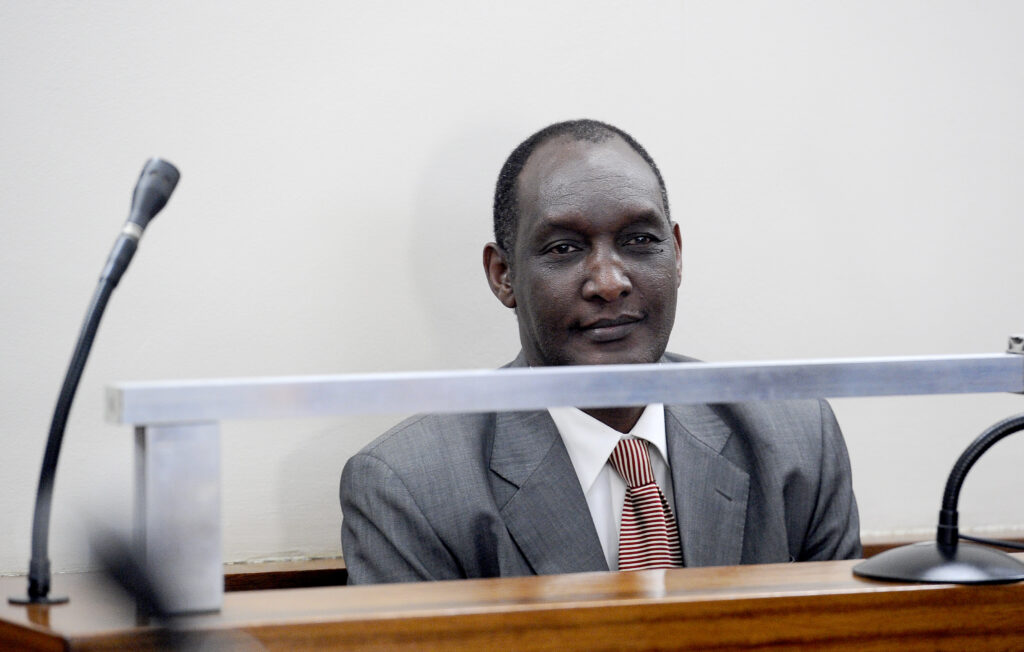
While the government continues to promote an image of discipline, order and development, the reality revealed through cases like Nyamwasa’s is far more complex: a political system that rewards loyalty, punishes defection and has repeatedly demonstrated willingness to pursue opponents wherever they go.
Behind the public narrative of stability and progress lies a struggle for control that extends beyond Rwanda’s borders, shaping diplomatic tensions, influencing regional security and sending a clear message to critics everywhere: dissent is not just dangerous; it is unforgivable.
AfricaHeadline Investigative Desk
Global Security, Politics and Great Lakes Affairs


