New central bank governor boosts Libya’s economic stability
- LibyaNorth AfricaPolitics
- October 1, 2024
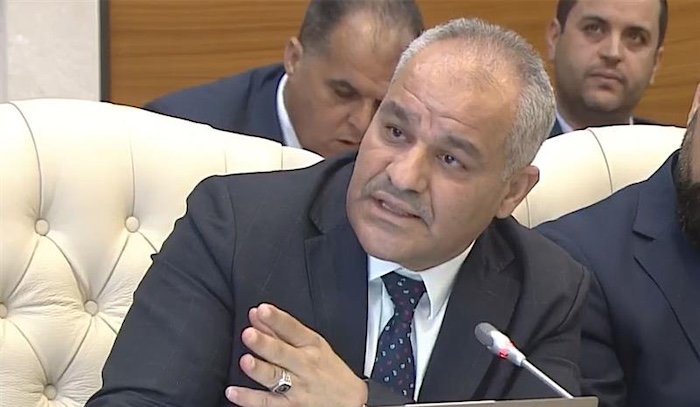

Libya’s eastern parliament has taken a significant step toward economic stability by unanimously appointing Naji Mohamed Issa Belqasem as the new Central Bank governor, alongside Mari Muftah Rahil Barrasi as his deputy. This leadership change follows a U.N.-facilitated agreement aimed at unifying the country’s financial institutions, signaling a new chapter in Libya’s journey toward fiscal cohesion and transparency.
The appointment of Belqasem, a seasoned banking expert, comes at a crucial time for Libya, as the country seeks to overcome political divides and stabilize its economy. His leadership is expected to bring much-needed reforms in monetary control, financial discipline, and the equitable distribution of Libya’s oil wealth, a key issue that has fueled divisions in recent years.
This positive move, backed by both Libya’s parliament and the High Council of State, has been welcomed by international observers. Many see it as a crucial step toward broader political and economic reforms, which are essential for the long-term stability and prosperity of the nation.