Europe moves to stabilise Hormuz as Iran Israel tensions reshape global energy risk
- AmericaPoliticsWorld
- April 18, 2026

Paris London Washington April 18 2026
European leaders, including Emmanuel Macron, Keir Starmer, Giorgia Meloni and Friedrich Merz, moved to contain rising geopolitical risk in the Middle East on April 17, after Iran announced that the Strait of Hormuz had reopened to commercial shipping.

AfricaHeadline Reports Team
editorial@dw-demosnewstaion.online
The announcement followed a fragile ceasefire between Israel and Lebanon, offering temporary relief to global markets while leaving underlying tensions between Iran, Israel and the United States largely unresolved.
Oil markets ease but risk premium persists
Global oil markets reacted immediately. Brent crude prices fell between 3% and 5%, retreating from highs near 95 dollars per barrel, as traders priced in reduced short term disruption risks.
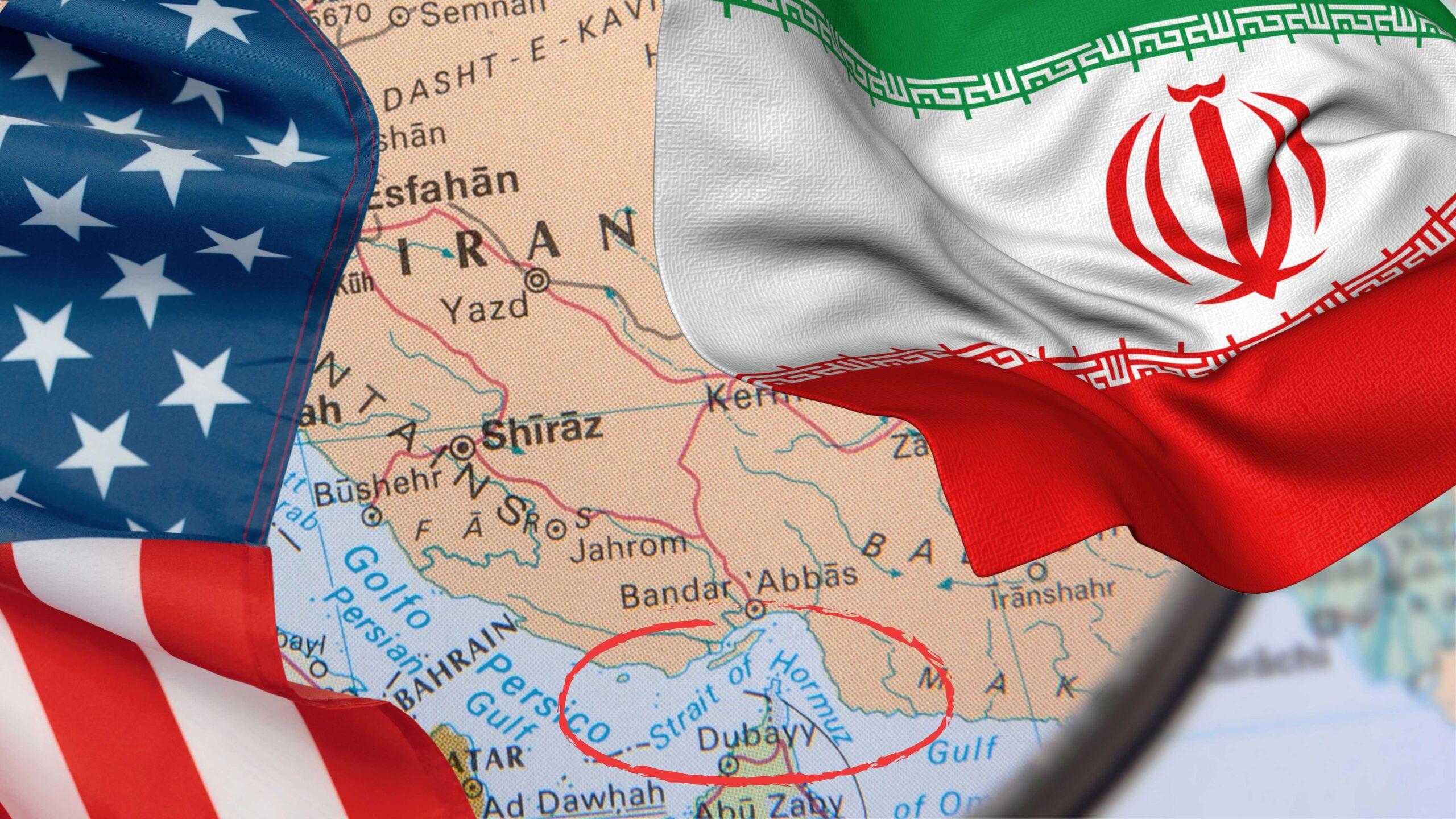
Yet the structural vulnerability remains significant. The Strait of Hormuz carries approximately 20% of global oil supply and nearly one third of seaborne crude trade, making it one of the most critical energy chokepoints in the world.
Shipping and insurance costs continue to reflect elevated geopolitical risk. War risk insurance premiums for tankers transiting the Gulf have risen by as much as 25 to 30%, increasing operational costs for global energy companies and placing upward pressure on inflation sensitive economies.
Historical fault lines and strategic leverage
The current crisis sits within a long arc of confrontation. Tensions between Iran and the United States intensified after Washington’s withdrawal from the nuclear agreement in 2018, followed by renewed sanctions targeting Iran’s oil exports and financial system.
The Strait of Hormuz has historically served as Iran’s primary strategic lever, notably during the Iran Iraq War in the 1980s and in repeated standoffs with Western naval forces over the past decade.
By signalling that Hormuz remains open, Tehran projects both restraint and capability, reinforcing its position as an indispensable actor in global energy stability while maintaining latent leverage over supply routes.
Lebanon the weakest link in the escalation chain
On the ground, the Israel Lebanon ceasefire has halted the most immediate hostilities but has not addressed structural instability.
More than 1 million people have been affected by the recent escalation, with widespread displacement and destruction across southern Lebanon. Infrastructure losses are estimated in the billions of dollars, including damage to transport networks, housing and energy systems.
Israeli forces remain deployed in strategic zones near the border, while Hezbollah retains operational capacity. The absence of disarmament or a formal political settlement underscores the fragility of the ceasefire.
US strategy pressure and negotiation in parallel
The United States continues to pursue a dual track strategy, maintaining military presence in the Gulf while engaging in indirect negotiations with Iran over its nuclear programme.
Washington has pushed for tighter controls on enriched uranium stockpiles, while Iran has resisted concessions without sanctions relief. This strategic contradiction between coercion and diplomacy has defined US policy since 2018 and remains a central obstacle to a comprehensive agreement.
At the same time, US naval deployments in the Gulf continue to serve as a deterrent against potential disruptions to maritime traffic.
Europe steps in but with limits
Europe has sought to position itself as a stabilising force. Discussions in Paris focused on the creation of a coordinated maritime security framework to protect shipping lanes, including the possibility of a multinational naval mission.
The initiative reflects Europe’s heightened sensitivity to energy security risks, particularly following its efforts to diversify away from Russian energy since 2022.
However, Europe’s influence remains constrained. While capable of organising defensive coalitions and supporting diplomatic dialogue, it lacks the unified military and political leverage required to impose a long term regional settlement.
Investment flows and economic implications
The crisis has already begun to reshape investment patterns, energy companies are reassessing exposure to Gulf transit routes, insurance and logistics costs are rising across global supply chains, defence spending in Europe and the Middle East is expected to increase and investors are shifting toward safer assets amid volatility.
Short term market relief has not eliminated long term uncertainty. Analysts warn that sustained instability in Hormuz could add between 0.5 and 1.0 percentage points to global inflation, depending on the duration and severity of disruptions.
A fragile equilibrium not a resolution
Despite the reopening of Hormuz and the temporary ceasefire, the fundamental drivers of conflict remain intact.
Iran continues to use geography as leverage. Israel maintains a doctrine of pre emptive security. The United States balances negotiation with strategic pressure. Lebanon remains the most vulnerable theatre of confrontation.
In this context, the current de escalation represents not a resolution but a recalibration, a temporary stabilisation within a broader and unresolved geopolitical contest that continues to shape global energy markets, security dynamics and the future balance of power in the Middle East.
For global markets, the immediate easing of tensions offers only partial relief. Oil prices may stabilise in the short term, but the structural risk embedded in the Strait of Hormuz remains significant, with energy flows, insurance costs and supply chains still exposed to sudden geopolitical shocks.
For policymakers, the challenge is to convert tactical de escalation into strategic stability. That will require more than temporary ceasefires, demanding coordinated diplomacy, credible security guarantees and a rebalancing of power between military deterrence and political negotiation across the region.
Ultimately, the current moment reflects a fragile equilibrium rather than a lasting resolution. The interplay between Iran, Israel, the United States and regional actors continues to define the trajectory of global energy security and geopolitical order, leaving the international system vulnerable to renewed volatility at any time.
AfricaHeadline | Geopolitics & Global Markets
Analysis Desk – AfricaHeadline.com
Johannesburg • Luanda • Accra • Nairobi • Cairo
© 2026 AfricaHeadline. All rights reserved.