Trump Tariff Reversal Sparks Global Market Rebound Amid Lingering Concerns
- AmericaChinaEconomicWorld
- April 10, 2025

Lagos, Nigeria – Donald Trump has reversed his stance on tariffs after causing significant turmoil in global financial markets. The decision comes following weeks of unprecedented volatility sparked directly by the former U.S. president’s abrupt and unpredictable policy moves.

AfricaHeadline Reports Team
editorial@dw-demosnewstaion.online
Global markets quickly rebounded after Trump’s announcement of a partial rollback of tariffs. Indices that had suffered sharp declines immediately shifted towards recovery, albeit modestly. Yet, analysts caution that the damage to economic confidence may already be irreversible.
Economists and market observers have highlighted the most severe consequence of the recent upheaval as the erosion of trust in the stability of U.S. financial institutions, particularly the Treasury, traditionally viewed as the safest global investment.
“Investors are questioning the reliability of the U.S. as a financial safe haven,” said one senior analyst from a leading international bank. “The political instability and uncertainty generated by these policy shifts are deeply unsettling for global markets.”
Experts view the turmoil as an example of self-inflicted geopolitical harm, arising from a combination of impulsive decision-making, political miscalculations, and administrative incompetence. Trump’s actions, they argue, have jeopardised decades of American economic leadership and diplomatic stability.
International bodies including the International Monetary Fund (IMF) and the World Bank have expressed concerns about rising inflationary pressures and the possibility of a prolonged slowdown in global economic growth.
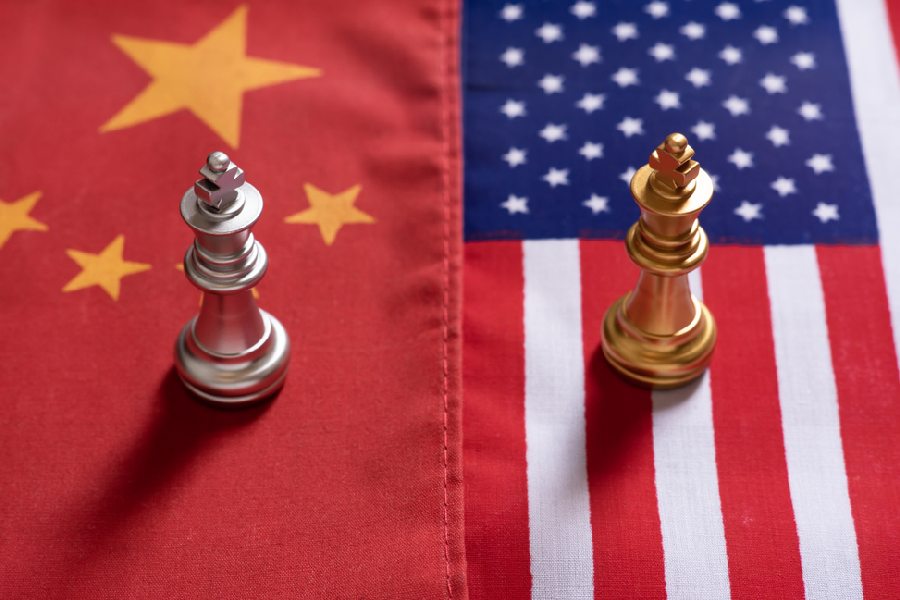
The U.S.-China trade relationship remains particularly fraught, despite Trump’s partial tariff rollback. High tariffs, exceeding 100% on several Chinese imports, remain in place, further complicating bilateral relations and casting doubt over future trade negotiations.
Earlier this year, the U.S. held a strong position among G7 nations. Recent developments have significantly undermined this standing, allowing other global economic powers to potentially fill the void.
The international community continues to watch closely, as leaders, economists, and investors ponder the long-term implications of this unprecedented economic and political crisis initiated by Trump’s controversial policies.