Nairobi – A new programme examining Nigeria’s grassroots governance has exposed deep-seated challenges within the country’s 774 local government areas (LGAs), raising questions about financial accountability, political interference and the constitutional role of local councils.

AfricaHeadline Reports Team
editorial@africaheadline.com
The show Scorecard, hosted by Sarah Yaku, gave citizens and analysts a platform to assess how effectively local governments are using billions of naira allocated from the federal purse.
Under Section 162 of the 1999 Constitution, local governments are entitled to a statutory share of the federation account. In theory, this provision should empower them to provide basic services such as healthcare, education and infrastructure.
Yet, experts argue that constitutional autonomy is more symbolic than real. Local government chairmen often require state approval for appointments and decisions, effectively placing them under the authority of governors.
Data from the Nigeria Bureau of Statistics illustrates stark disparities in allocations. In Lagos State, for instance, Alimosho LGA reportedly received over ₦11bn in the first half of 2024. But residents say there has been little visible progress in roads, schools or sanitation.
Analysts describe this gap as a sign of weak accountability, where resources vanish without corresponding improvements in citizens’ lives.
Guests on the programme – Shagun Shokut of the Accountability and Transparency Network and political analyst Francis Chilaka – highlighted how many councils are accountable primarily to governors, not to the people they are meant to serve.
The Freedom of Information Act exists to help citizens demand transparency, but implementation at the local level remains patchy. Civil society organisations say requests for financial data are often ignored.
Concerns also extend to the integrity of local elections. Critics argue that state governors exert heavy influence, sometimes imposing candidates rather than allowing competitive polls. This, they say, erodes democratic legitimacy and weakens public trust.
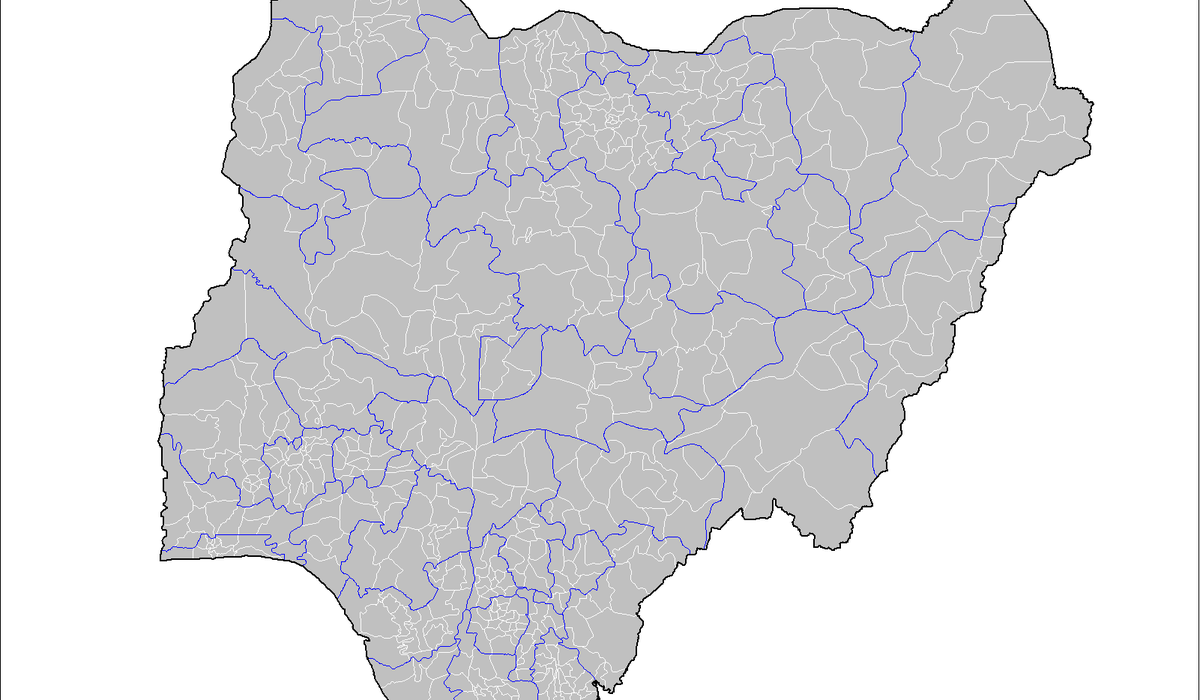
Nigeria’s uneven distribution of local governments has further complicated matters. While Lagos enjoys a large number of LGAs relative to its population, other states are underrepresented, leading to imbalances in federal revenue sharing. The absence of an up-to-date national census exacerbates this problem.
Analysts and civil society leaders insist reforms are overdue. Proposals include granting councils more power to generate their own revenue, amending the constitution to guarantee true autonomy, and ensuring independent electoral bodies oversee local polls.
At the same time, citizens are urged to engage directly by demanding access to council offices, scrutinising spending and holding leaders to account.
In Abia State, residents voiced discontent with what they described as opaque governance and unmet promises. They called for investments in healthcare, education, security and jobs, accusing local leaders of prioritising political loyalty over community needs.
The debate underscores a wider governance dilemma: while local governments are constitutionally mandated to serve as the closest tier to the people, their effectiveness is undermined by structural deficiencies and political interference.
Observers warn that unless reforms are enacted – including a national census, stronger fiscal oversight and empowered councils – local governments risk continuing as conduits for funds rather than engines of development.