Johannesburg – The latest projections from the International Monetary Fund’s World Economic Outlook (April 2026) reveal a continent undergoing one of its most important economic realignments in decades.

AfricaHeadline Reports Team
editorial@africaheadline.com
While Africa’s traditional economic heavyweights continue to dominate the rankings, the deeper story emerging from the IMF data is not simply about size, but about transition, diversification, resilience and the emergence of new competitive economic models.
According to IMF projections for 2026, South Africa remains Africa’s largest economy with an estimated nominal GDP of US$479.96bn, followed by Egypt at US$429.65bn and Nigeria at US$377.37bn. Algeria occupies fourth position with US$317.17bn, while Morocco consolidates fifth place at US$194.33bn.
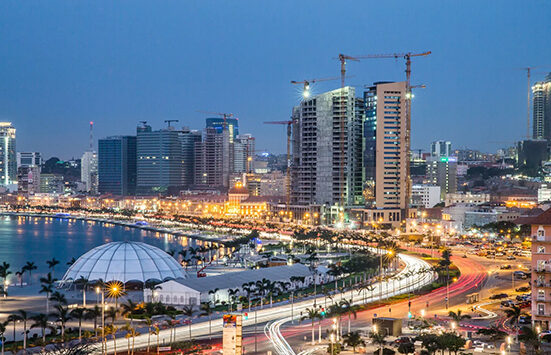
The most strategically significant development, however, comes from Angola’s rise into sixth place with projected GDP reaching US$152.35bn, ahead of Kenya (US$147.26bn) and Ethiopia (US$121.53bn). Ghana and Tanzania complete the top ten with US$118.29bn and US$94.89bn respectively.
The rankings reflect far more than statistical ordering, they expose the evolving structure of African economic power in an increasingly fragmented global economy.
South Africa: Africa’s financial giant faces structural fatigue
South Africa continues to dominate the continent economically, largely because of its sophisticated banking sector, advanced capital markets, industrial base and services economy.
Johannesburg remains Africa’s principal financial hub, while the Johannesburg Stock Exchange continues to represent the continent’s deepest and most liquid capital market.
Yet the IMF projections also reveal an economy facing structural exhaustion, years of electricity shortages, logistics bottlenecks, slow industrial expansion, high unemployment and declining investor confidence have constrained growth momentum. South Africa’s economy remains large, but increasingly mature and slower-growing compared with younger African economies undergoing structural expansion. Its challenge is no longer scale, it is competitiveness renewal.
Egypt: Strategic geography continues to drive economic scale
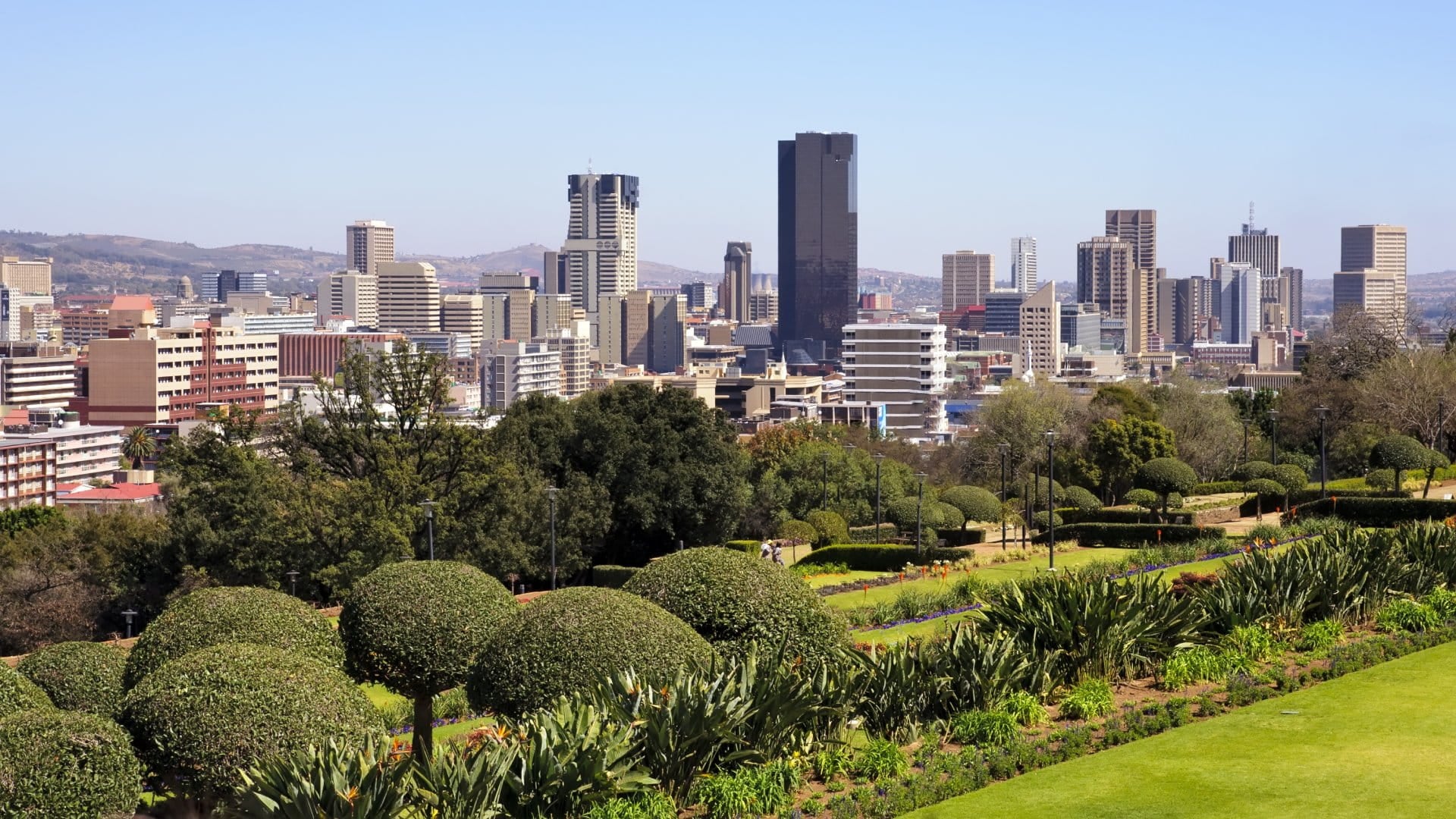
Egypt’s position as Africa’s second-largest economy reflects the strategic value of geography, infrastructure and population scale.
With control over the Suez Canal, one of the world’s most important maritime trade corridors, Egypt maintains unique leverage in global trade flows between Europe, Asia and the Middle East.
Cairo has simultaneously accelerated investments in transport infrastructure, energy projects, logistics corridors and industrial zones.
However, Egypt’s economic rise has also come with mounting debt exposure and currency pressures, forcing authorities into difficult fiscal reforms and IMF-backed stabilisation programmes.
Still, Egypt’s economic model demonstrates how strategic infrastructure and state-led expansion can generate continental-scale economic influence.
Nigeria: Africa’s demographic superpower still searches for structural stability
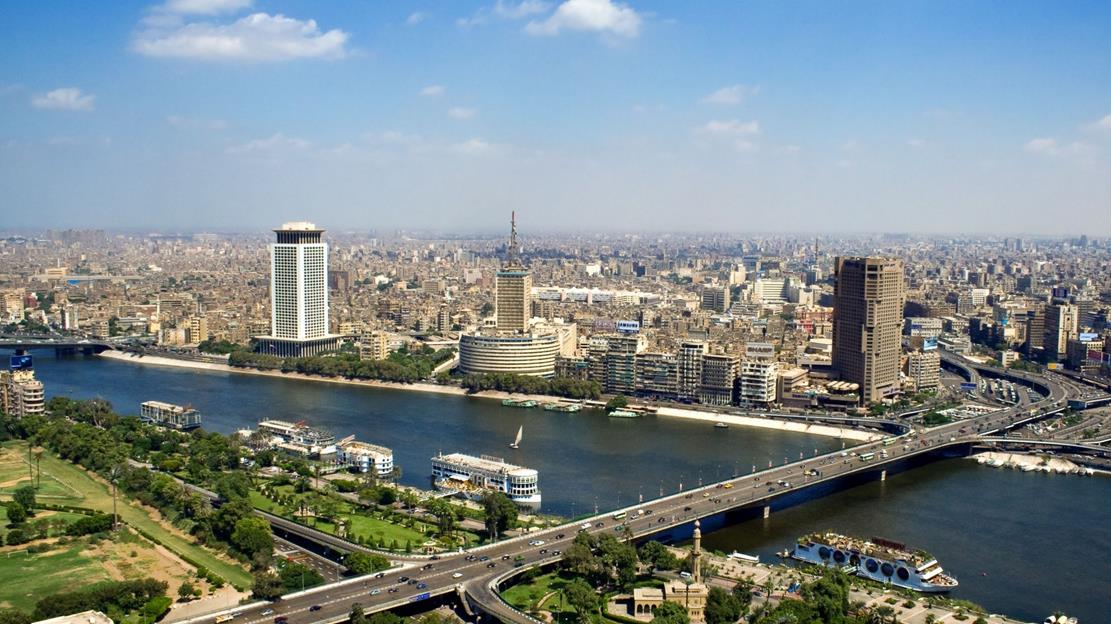
Nigeria remains Africa’s most populous country and one of its most influential economic actors.
Lagos increasingly operates as one of the continent’s most dynamic centres for fintech, entertainment, digital innovation and entrepreneurial activity.
Yet the IMF numbers also reflect a paradox that has defined Nigeria for years: enormous potential constrained by structural instability.
Despite possessing one of Africa’s largest consumer markets, Nigeria continues to face challenges linked to exchange-rate volatility, inflationary pressure, insecurity, oil theft and infrastructure deficits.
Its long-term strength remains undeniable. But investors continue to ask whether Nigeria can successfully convert demographic scale into sustained industrial productivity.
Algeria: Energy wealth and fiscal stability strengthen strategic position
Algeria’s rise to fourth position reflects the continuing geopolitical relevance of energy exporters in an uncertain global environment.
Europe’s search for alternative energy suppliers following geopolitical tensions with Russia has increased Algeria’s strategic importance as a natural gas producer.
Higher hydrocarbon revenues have strengthened fiscal stability, foreign reserves and public investment capacity.
However, Algeria faces the same long-term challenge confronting many resource-rich African economies: transforming energy wealth into diversified industrial and technological development.
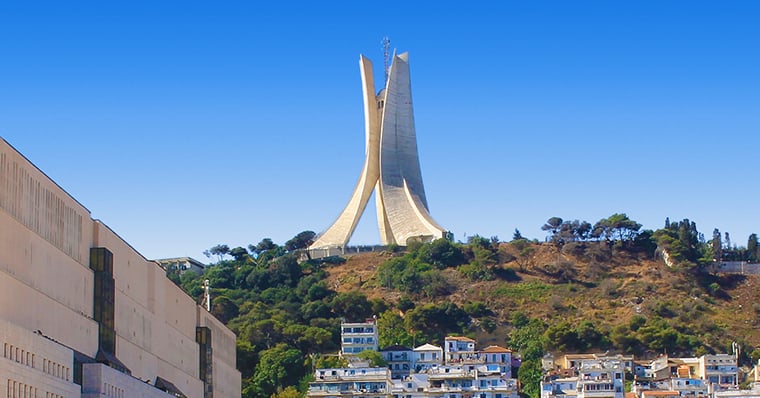
Morocco: Africa’s most advanced industrial transformation story
Morocco continues to emerge as one of Africa’s most strategically diversified economies.
Rabat has spent more than two decades building a highly integrated industrial platform connected to European, American and Middle Eastern markets.
Today, Morocco has become a major automotive manufacturing hub, aerospace production centre and renewable energy leader.
The country’s Tanger Med Port has evolved into one of the Mediterranean’s most important logistics platforms, reinforcing Morocco’s role as a bridge between Europe and Africa.
Unlike many commodity-dependent economies, Morocco’s growth increasingly comes from manufacturing, exports, logistics and industrial value chains.
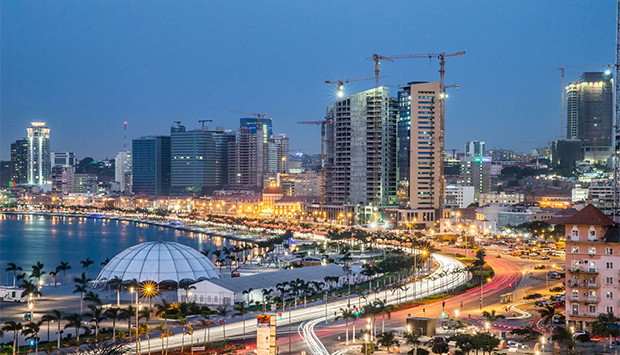
Angola: Diversification begins to reshape Africa’s economic hierarchy
Angola’s rise above Kenya and Ethiopia may represent one of the most symbolically important developments in Africa’s 2026 economic landscape.
For decades, Angola was viewed almost exclusively through the lens of oil dependency. Today, IMF projections increasingly suggest the country is entering a more diversified growth cycle.
The expansion of the non-oil sector, combined with infrastructure investments, agricultural production, logistics development and telecommunications growth, is beginning to alter the structure of the Angolan economy.
The Lobito Corridor has emerged as one of Africa’s most strategically important logistics projects, linking Atlantic trade routes to critical mineral regions in Central and Southern Africa.
At the same time, Angola’s efforts to strengthen domestic food production, reduce import dependence and expand industrial capacity are gradually creating broader economic foundations beyond hydrocarbons.
The significance of overtaking Kenya and Ethiopia is not merely economic, it is psychological and geopolitical.
It signals that Angola is no longer simply an oil exporter attempting reform, but increasingly a diversified regional economic power in transition.
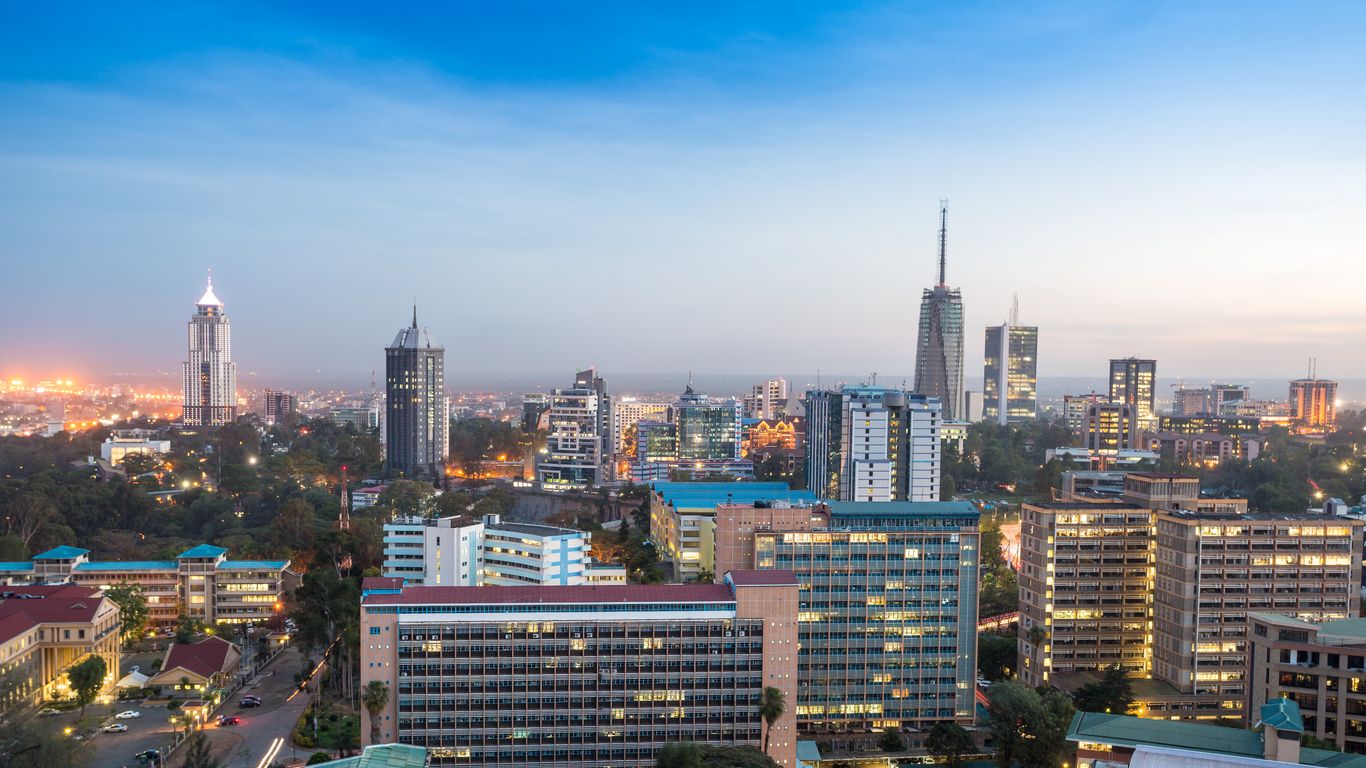
Kenya: East Africa’s innovation hub faces scale competition
Kenya remains one of Africa’s strongest technology and services economies.
Nairobi continues to attract international investors into fintech, mobile banking, digital commerce and startup ecosystems.
The success of platforms such as M-Pesa transformed Kenya into a global case study for financial inclusion and digital payments innovation.
However, Kenya’s economic challenge increasingly relates to scale, while highly innovative, the economy remains smaller in industrial output and natural resource capacity compared with some of Africa’s larger economies.
Its future competitiveness will likely depend on whether innovation-driven growth can compensate for rising debt levels and external financing pressures.
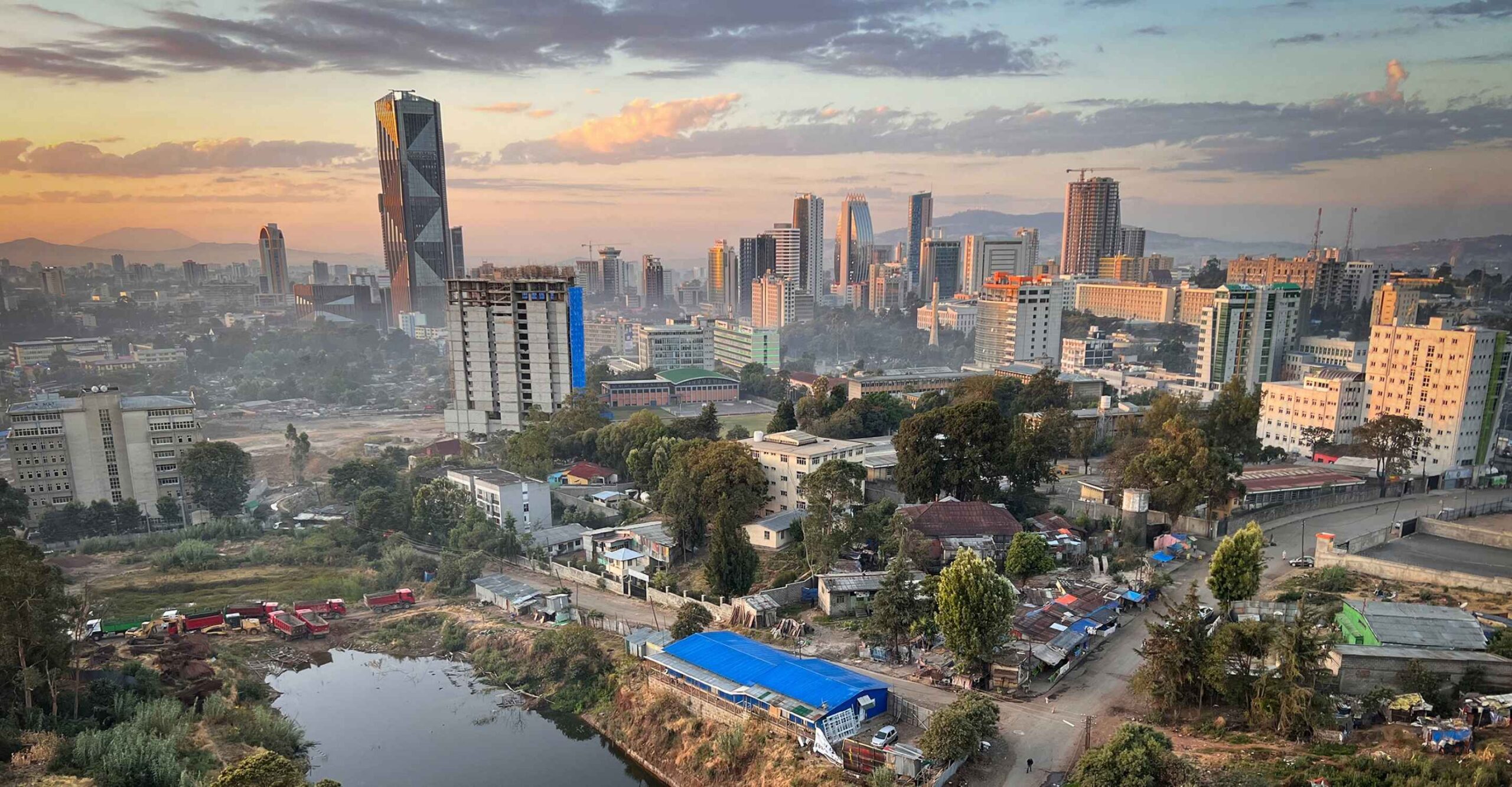
Ethiopia: Industrial ambition meets political and financial pressure
For more than a decade, Ethiopia was viewed as Africa’s future manufacturing powerhouse.
Massive investments in infrastructure, industrial parks and state-led development transformed the country into one of Africa’s fastest-growing economies.
But recent years have exposed structural vulnerabilities, political instability, conflict-related disruptions, foreign currency shortages and debt pressures have weakened investor confidence and slowed economic momentum.
Despite this, Ethiopia’s population scale and industrial base still provide long-term strategic potential unmatched by most African economies.
Ghana and Tanzania: Stable reformers gain continental relevance
Ghana and Tanzania complete the IMF’s top ten rankings, reflecting the growing importance of macroeconomic reform and regional trade integration.
Ghana continues to navigate debt restructuring and fiscal consolidation while maintaining its strategic role in West African finance and gold production.
Tanzania, meanwhile, benefits from political stability, expanding infrastructure investment and growing regional trade relevance within East Africa.
Both economies increasingly represent a new generation of African middle powers focused on steady institutional expansion rather than commodity-driven booms.
Africa’s new economic reality
The IMF projections reveal that Africa’s economic future is no longer defined by a single model.
Some economies continue to rely heavily on natural resources. Others are building industrial manufacturing platforms, logistics corridors, financial ecosystems or digital economies.
What increasingly matters is not simply GDP size, but the quality, resilience and diversification of growth.
The continent’s emerging economic competition is becoming less about who possesses the most resources and more about who can successfully transform those resources into productive systems, industrial capacity, regional influence and sustainable long-term expansion.
And according to the IMF’s 2026 outlook, that transformation is already reshaping Africa’s balance of economic power.
__
By AfricaHeadline Editorial Desk
Strategic Insight. African Perspective.
© 2026 AfricaHeadline Media Network. All Rights Reserved.
**This material is protected under international copyright and intellectual property laws. No part of this publication may be reproduced, distributed, transmitted or republished in any form or by any means without prior written authorization from AfricaHeadline Media Network.**