Africa Relations Amid Global Shifts
- AmericaIn a NutshellOpinions
- November 6, 2024
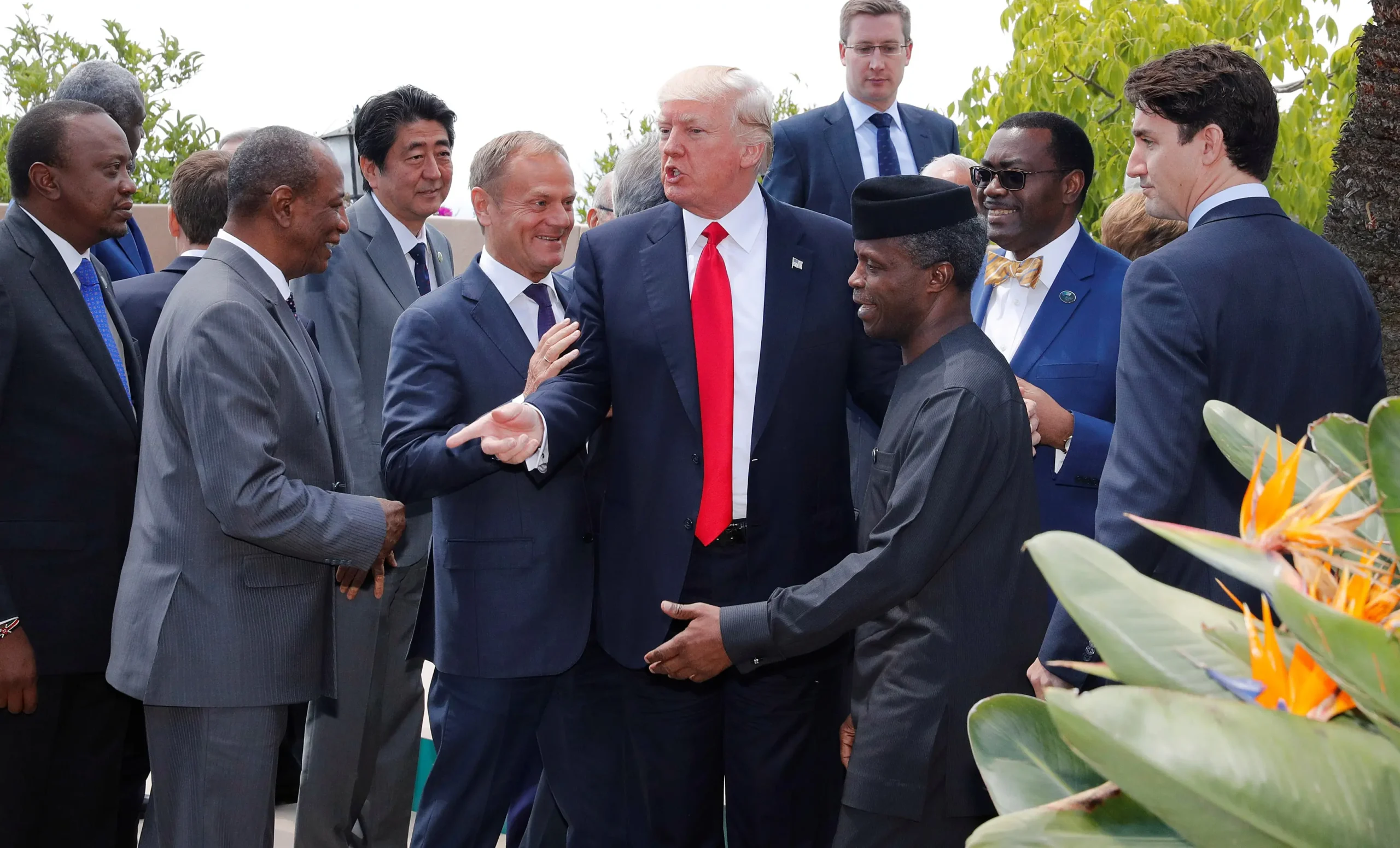

As Donald Trump heads into a second term, African leaders and analysts are weighing what this could mean for the continent’s relationship with the United States. Trump’s “America First” approach in his first term led to a lower profile for U.S.-Africa policy, with the administration primarily focused on security issues and economic competition with China.
For many, Trump’s return raises questions on whether the U.S. will maintain this limited approach or expand its engagement with Africa, particularly as the continent’s economic and strategic significance grows.
In recent years, Africa has gained traction as a fast-growing hub of economic opportunity and innovation, with a young population and expanding markets in sectors like technology, agriculture, and renewable energy.
During Trump’s first term, the U.S. presence in Africa remained largely strategic, focused on counterterrorism and balancing China’s increasing investments and influence. However, some African leaders felt that this narrow focus overlooked the continent’s broader aspirations for growth and sustainable development.
Now, as Trump returns to office, there’s cautious optimism that his administration might adopt a more nuanced approach to Africa. With major global players, including China and the European Union, deeply engaged in long-term investments and partnerships, the U.S. risks falling behind unless it pivots to a more comprehensive engagement strategy.
African leaders hope the U.S. will expand its focus to support economic development, infrastructure, education, and health, areas that are critical to Africa’s future prosperity and stability.
Some analysts argue that a more strategic U.S.-Africa partnership could benefit both sides, opening doors for American businesses and fostering stable growth in Africa. Additionally, addressing African development priorities could help reduce regional instability, migration pressures, and security risks, aligning with long-term U.S. interests.
Whether Trump’s administration will seize this opportunity to deepen ties remains uncertain. For now, African leaders and citizens await signals from Washington, hoping for a fresh start that recognizes Africa’s potential as a partner and an emerging powerhouse on the global stage.