Ethiopian Airlines tests the limits of African aviation and redefines them
- Business and NetworkingEast AfricaEconomicEthiopia
- April 17, 2026

LUANDA / ADDIS ABABA In a global industry where even major carriers struggle to sustain margins, Ethiopian Airlines has built a position that challenges both the structural limitations of African aviation and the logic of international competition.

AfricaHeadline Reports Team
editorial@dw-demosnewstaion.online
With revenues of approximately $4.4bn in just six months of the 2025/26 fiscal year, more than 10.6 million passengers carried and a network spanning over 145 international destinations, the Ethiopian flag carrier is not only a continental leader but has become an outlier in a sector historically defined by fragility.
This suggests that what is emerging is more than an airline it is a functioning African model of global scale.
Ethiopian Airlines’ rise has not been driven by traditional state protection, but by a disciplined combination of operational autonomy, continuous reinvestment and strategic execution.
In a continent where political interference often undermines state-owned enterprises, the airline has managed to align government direction with commercial efficiency. Its hub in Addis Ababa, strategically positioned between Africa, Europe and Asia, has become a critical node of connectivity in a still fragmented market.
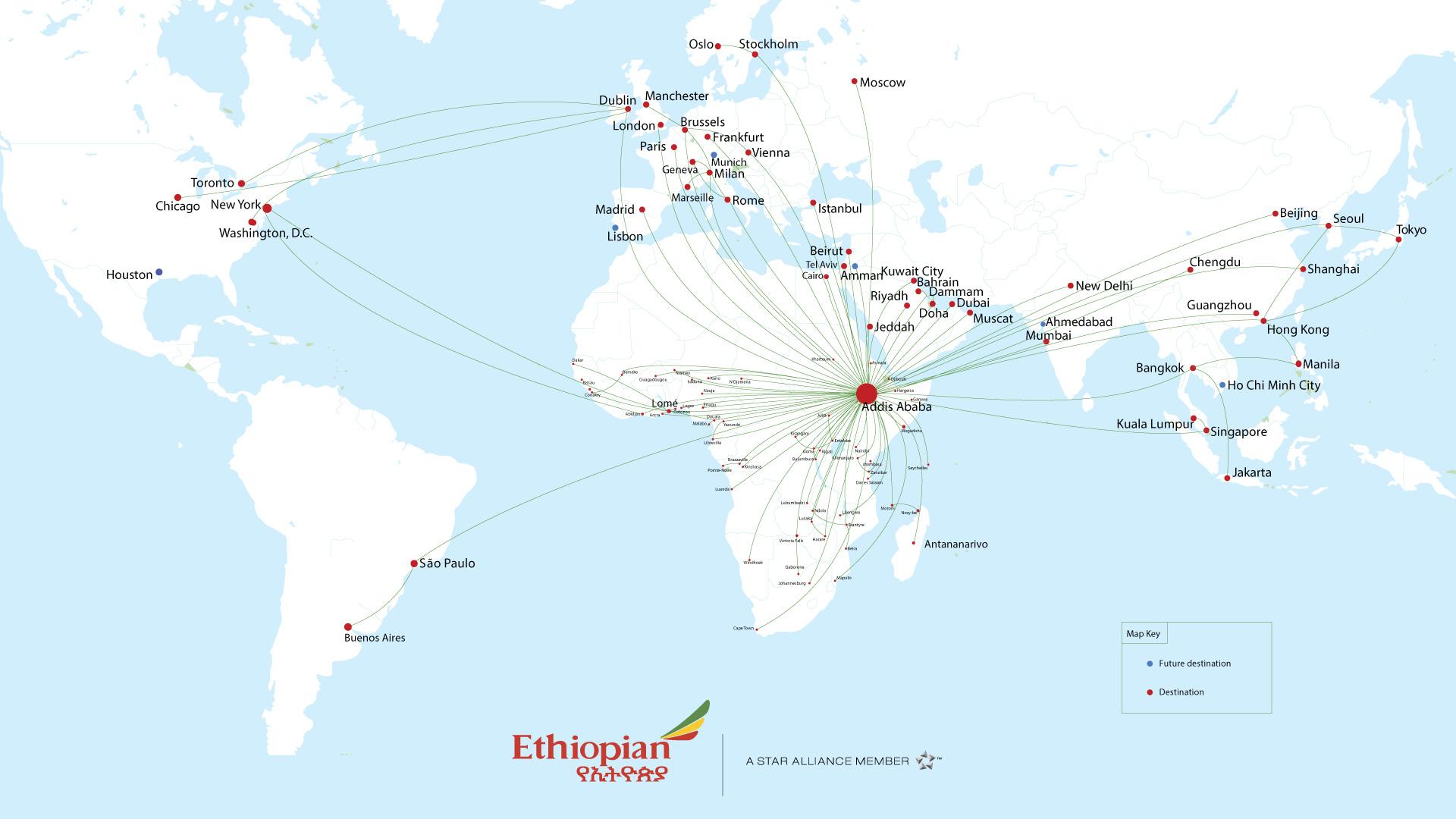
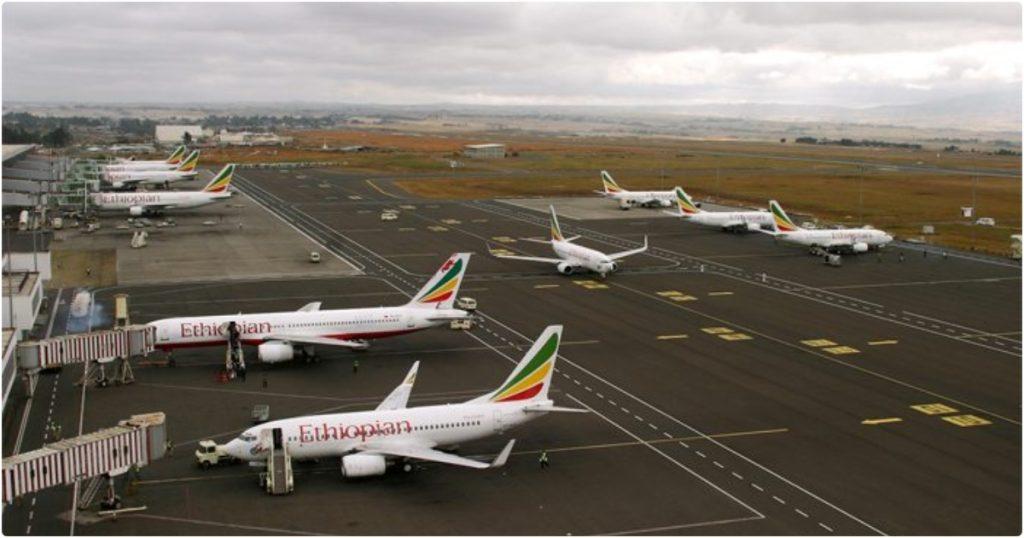
Supported by a modern fleet of around 170 aircraft, this model enables the airline to capture intercontinental traffic flows historically dominated by external operators, creating a structural advantage that is difficult to replicate.
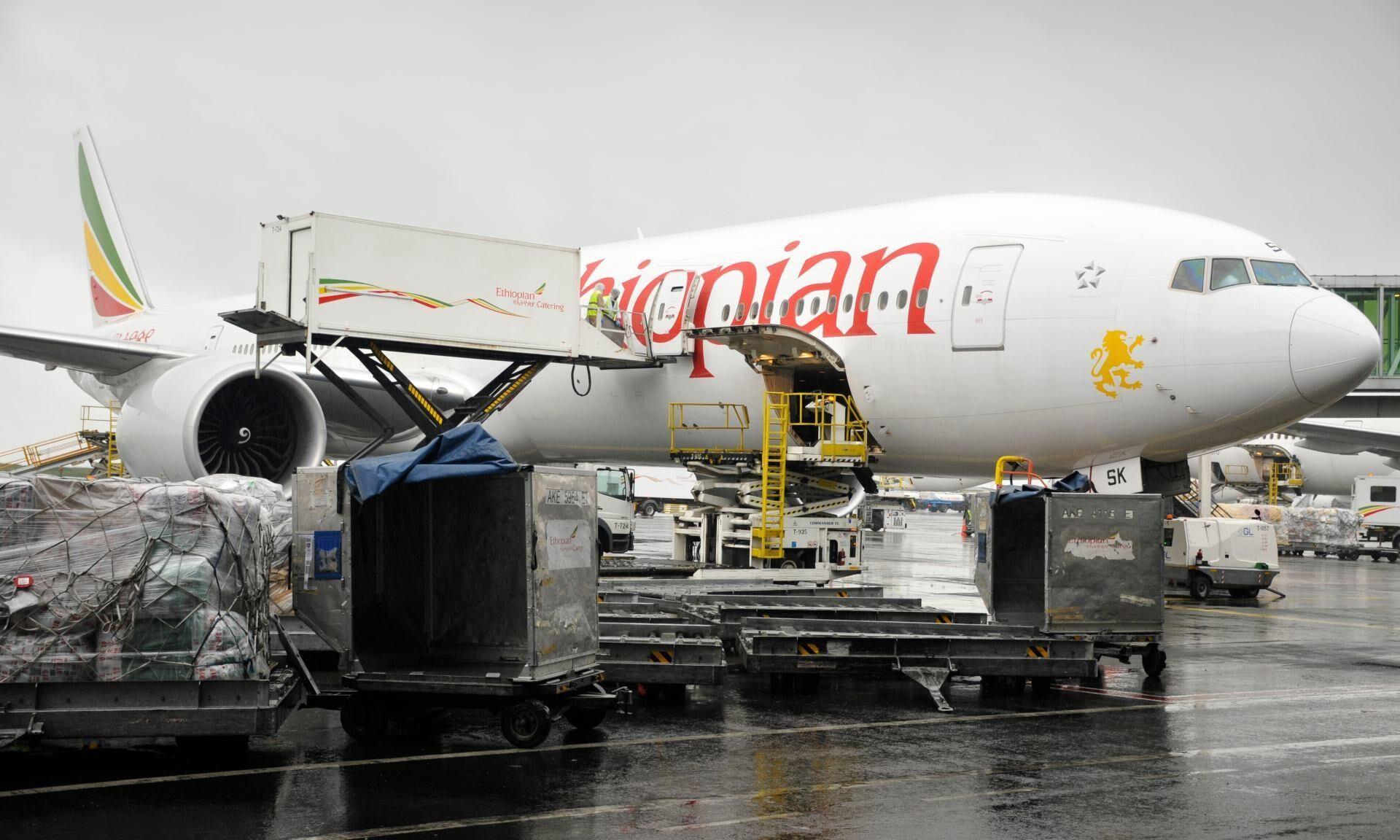
At the core of this success lies diversification. Ethiopian Airlines now operates as an integrated group, combining passenger transport, cargo operations, aircraft maintenance, technical training and strategic stakes in other African carriers.
During the pandemic, it was precisely the cargo segment, with more than 450,000 tonnes transported in six months, that sustained revenues at a time when global aviation collapsed.
This architecture allows the company to absorb external shocks and positions it as a continental logistics platform, rather than simply a carrier.
The airline’s growth remains aggressive, driven by route expansion and its long-term Vision 2035 plan, which aims to position the group among the world’s leading aviation operators.
But scale brings exposure. Supply chain pressures, aircraft delivery delays and engine maintenance constraints are already affecting the global sector. Added to this is the airline’s reliance on a single hub located in a region with a history of geopolitical instability.
It is the classic paradox of expansion the greater the scale, the greater the vulnerability.
The AfCFTA is expected to be the single largest growth catalyst over the coming decade. As intra-African trade and mobility increase, the need for efficient air connectivity will intensify, a space where Ethiopian Airlines is already positioning itself as a central player.
The planned Bishoftu mega airport, with capacity exceeding 100 million passengers per year, reinforces this ambition and could reshape the continent’s aviation landscape.
Despite its African dominance, the airline faces direct competition from global operators such as Emirates, Qatar Airwaysand Turkish Airlines, which continue to dominate key routes between Africa, Europe and Asia.
Domestically, the main constraint remains structural the fragmentation of African airspace. Without a fully functioning single aviation market, costs remain high and continental scale constrained.
The Ethiopian Airlines case exposes an uncomfortable reality success is not determined by resources or market size alone, but by consistency in governance and strategic execution.
In an environment where many state-owned enterprises succumb to mismanagement, the airline demonstrates that it is possible to build competitive, resilient and globally relevant institutions from Africa.
In an industry defined by thin margins and high volatility, Ethiopian Airlines has managed to balance growth, profitability and international expansion, establishing itself as one of the rare cases of sustained success in African aviation.
More than an exception, the company has become a clear indicator of a deeper issue.
It suggests that Africa’s challenge is not one of capacity, but of execution, governance and strategic vision.
AfricaHeadline | Intelligence. Markets. Africa.
© 2026 AfricaHeadline Media Group. All rights reserved.