Character, honor, and dignity in shaping the individual and society
- Opinions
- October 11, 2024
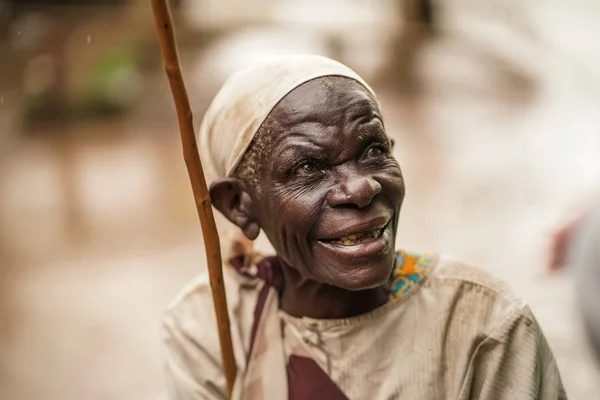

The education of individuals in Africa has long been a complex and layered process, where the absence of formal schooling is often compensated by a rich tradition of oral knowledge, ancestral wisdom, and community-based values. Especially in African societies, moral education has served as a key component in shaping character and building strong, cohesive communities.
For any society to thrive, principles such as character, honor, and dignity must be instilled from an early age, not merely as abstract ideals but as tangible guides to daily conduct and social responsibility.
As Amadou Hampâté Bâ, the celebrated Malian writer, aptly said: “In Africa, when an old man dies, a library burns to the ground” (Amkoullel, the Fula Child). This profound statement highlights the critical role of elders in passing down accumulated knowledge and life lessons, particularly in communities where formal education systems are limited. African societies have long relied on this transmission of wisdom from one generation to the next, ensuring that moral and ethical foundations are preserved.
The elder’s role as a custodian of culture and values makes home-based education a cornerstone of the African way of life.
At the core of African education is the emphasis on character. Character is the moral compass that guides individual behavior, shaping how one interacts with society and responds to challenges.
Chinua Achebe, in his classic novel Things Fall Apart, wrote: “Proverbs are the palm-oil with which words are eaten.” This metaphor signifies the importance of traditional wisdom—often transmitted through proverbs—in shaping individual behavior. Proverbs encapsulate centuries of wisdom, offering practical guidance for living with integrity, respect, and honor in a communal setting.
Dignity, another pillar of moral education in Africa, goes beyond external appearances or status. It is a deep-seated value that is nurtured within individuals from a young age, through teachings about self-respect, the importance of community, and the intrinsic worth of every person.
Ngũgĩ wa Thiong’o, in his influential book Decolonising the Mind, argued that “The choice of language and the use of language is central to a people’s definition of themselves.” Here, language and communication serve as key components of dignity, as they shape how individuals perceive themselves and are perceived by others. Dignity, in African societies, is not contingent on formal education but on how individuals carry themselves and respect others in their community.
In many African households, despite the lack of formal education, parents and elders impart crucial moral lessons that form the bedrock of a person’s ethical framework. These lessons often revolve around respect for others, communal solidarity, and the value of hard work and honesty.
Nelson Mandela, in Long Walk to Freedom, famously stated: “Education is the most powerful weapon which you can use to change the world.” While Mandela referred to formal education, his words equally apply to the homegrown education that African children receive from their elders. The ethical teachings learned at home often shape the core of social behavior, instilling principles of mutual respect, honor, and dignity that last a lifetime.
The importance of home-based moral education in Africa cannot be overstated. Even in cases where formal schooling is absent or limited, parents and elders play a pivotal role in shaping individuals with strong moral values. These teachings are often deeply embedded in African traditions, reinforcing the idea that character, honor, and dignity are cultivated not just through academic learning but through the daily lessons imparted by family and community.
In reflecting on how individuals should behave in society, it is crucial to recognize the far-reaching influence of the values passed down through generations. African authors such as Amadou Hampâté Bâ, Chinua Achebe, Ngũgĩ wa Thiong’o, and Nelson Mandela remind us that education, in its broadest sense, is about more than formal schooling—it is about the continuous transmission of values, wisdom, and ethical principles from the home to the community. These values, deeply rooted in African culture, are essential not only for the personal development of individuals but also for the broader progress and prosperity of African societies.