In Côte d’Ivoire, the ghost of “Ivoirité” resurfaces ahead of Presidential election
- Ivory Coast (Côte d'Ivoire)Politics
- February 21, 2025
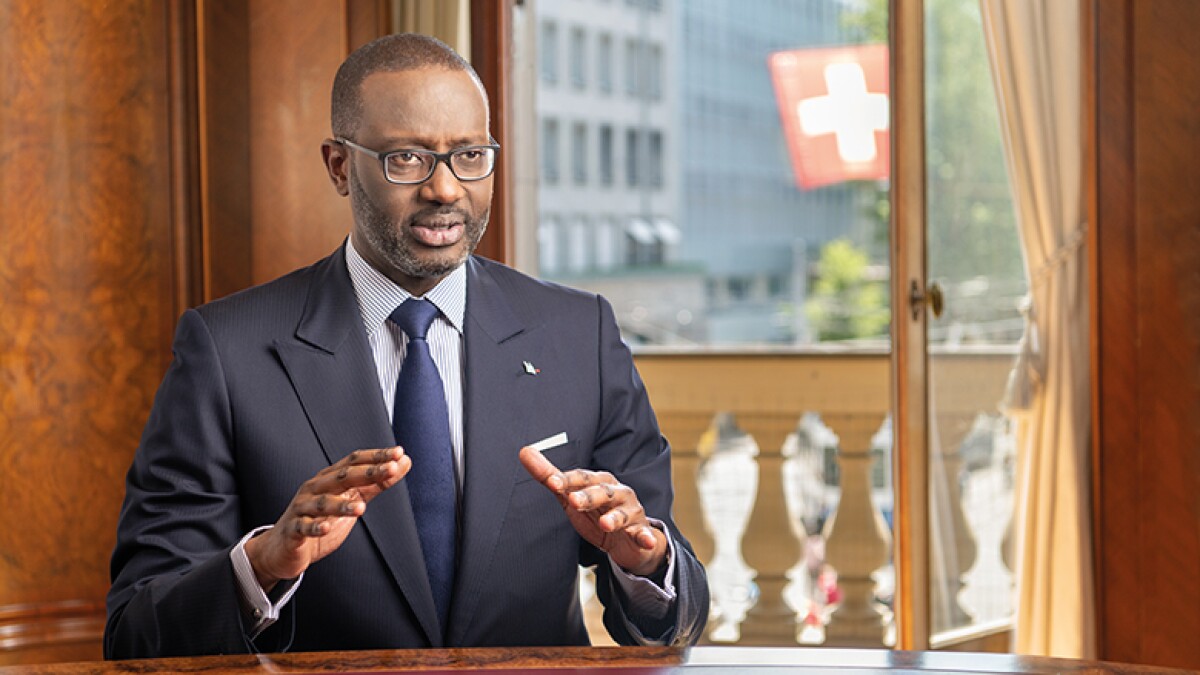

Abidjan, Côte d’Ivoire – As Côte d’Ivoire gears up for its upcoming presidential election, a long-standing and divisive issue has resurfaced, sparking fresh political tensions. Recent remarks by a government minister questioning the origins of Tidjane Thiam, the leader of the Democratic Party of Côte d’Ivoire (PDCI) and the main opposition figure, have reignited debates around Ivoirité—a nationalist concept that has historically fueled divisions in the country.

AfricaHeadline Reports Team
editorial@dw-demosnewstaion.online
The term Ivoirité emerged in the 1990s under then-President Henri Konan Bédié, who promoted the idea as a way to prioritize “true Ivorians” over those perceived as having foreign ancestry. While originally framed as a nationalist policy, it soon became a political tool, used to exclude certain candidates from elections and deepen social fractures, particularly between the country’s north and south.
The latest controversy erupted when a government minister publicly questioned Thiam’s Ivorian credentials, pointing to his familial ties and past international career. Thiam, a former CEO of Credit Suisse and an internationally recognized financier, has repeatedly affirmed his Ivorian nationality. However, the issue has revived lingering anxieties over identity and belonging in a country that has suffered violent political crises partly rooted in ethnic and national identity disputes.
For many Ivorians, the return of Ivoirité rhetoric is a dangerous reminder of past conflicts. Political analysts warn that reviving the debate could inflame tensions at a time when the country is striving for stability after years of political turbulence.
“The instrumentalization of Ivoirité has been a powerful weapon in Ivorian politics, used to discredit opponents and shape electoral narratives,” said political analyst Mamadou Koné. “Bringing it back now risks polarizing the electorate and reigniting old wounds.”
The government has yet to officially respond to the controversy, but opposition voices are raising alarms over what they see as a strategy to delegitimize Thiam ahead of the vote. The PDCI has dismissed the accusations as a distraction tactic aimed at derailing the opposition’s campaign.
With the election drawing closer, the debate over Ivoirité underscores the challenges Côte d’Ivoire faces in consolidating national unity. The specter of identity politics continues to loom large, threatening to overshadow policy debates and deepen divisions in a country still healing from its turbulent past.