Messi in Luanda: Why Africa’s confidence still makes Europe uneasy
- OpinionsSports
- November 9, 2025

By João Carlos Ndombassi, Special to AfricaHeadline
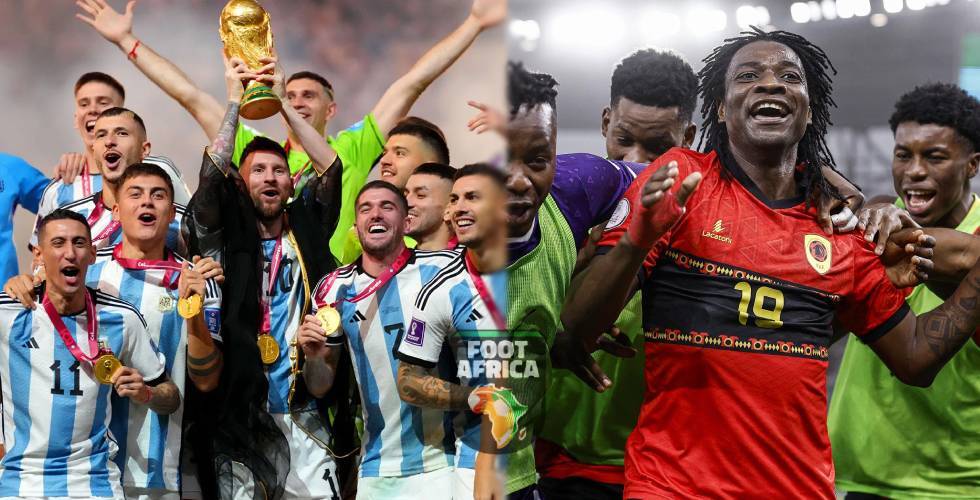
LUANDA, ANGOLA. When Angola announced that Lionel Messi would play an exhibition match in Luanda on November 11, the day marking the nation’s 50th Independence anniversary, the news should have inspired celebration. Instead, it exposed how difficult it remains for some in Europe to accept an Africa that stands tall, confident, and unapologetically proud.

AfricaHeadline Reports Team
editorial@dw-demosnewstaion.online
A wave of commentary from parts of the Portuguese press treated Angola’s joy as if it were a provocation. The tone, at times paternalistic and tinged with irony, reflected something deeper than sports rivalry: a discomfort with the image of Africans celebrating success without permission, guidance, or validation from their former colonizers.
For Angolans, the symbolism could not be clearer. Hosting the world’s greatest footballer on the same day the country commemorates freedom from colonial rule is poetic justice, a celebration of sovereignty, modernity, and cultural pride. It is also a quiet declaration that Angola’s story no longer needs to be narrated from abroad.
Critics in Lisbon may not realize it, but their outrage says more about Europe’s nostalgia than Angola’s ambition. Across Africa, nations are asserting their agency, hosting global icons, and shaping their narratives not as subjects of admiration, but as partners in civilization. The reaction in Portugal suggests that mental decolonization, though long overdue, is still incomplete.
The irony is striking: a country once lectured about “civilization” now sets its own stage with confidence and grace. On November 11, Angola will not only celebrate football, it will celebrate dignity, freedom, and the right to rejoice without apology.
For those who find that difficult to accept, perhaps the most appropriate response is not outrage or envy, but reflection. The world has changed. Angola has too.