New coup fears in Burkina Faso highlight widening instability across the Sahel
- Uncategorized
- January 8, 2026

The latest alleged coup attempt in Burkina Faso is intensifying concerns over growing instability across the Sahel, a region increasingly dominated by military rule and persistent insecurity.

AfricaHeadline Reports Team
editorial@dw-demosnewstaion.online
Authorities in Ouagadougou say security forces disrupted a plot targeting senior civilian and military leaders, including President Ibrahim Traoré, before it could be carried out. Officials insist the situation is under control, with arrests underway and security services on high alert.
But analysts warn that the incident reflects a broader pattern unfolding across West Africa’s Sahel belt rather than an isolated security scare.
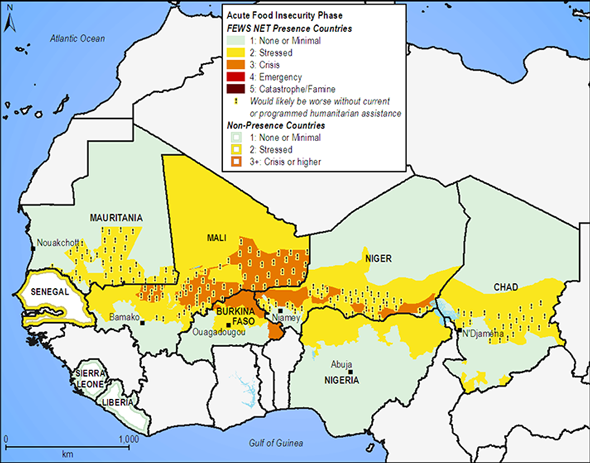
Since 2020, the Sahel has seen a wave of military takeovers, with juntas now governing Mali, Níger and Burkina Faso. Civilian institutions remain suspended, and timelines for political transitions are increasingly unclear.
While military leaders have pledged to restore security and sovereignty, violence linked to extremist groups continues to spread, particularly in rural and border areas where state authority is weakest.
The region faces mounting challenges on multiple fronts. Armed forces are stretched thin by counterinsurgency operations, while internal divisions within military hierarchies have fuelled repeated claims of coup attempts and counter-plots.

Economic pressures have added to public frustration. Sanctions, declining investment and disrupted trade routes have weakened already fragile economies, intensifying social discontent among young populations with limited opportunities.
The instability reverberates far beyond national capitals. The Sahel sits along key migration routes and remains a critical front in global counterterrorism efforts. Regional bodies have struggled to respond effectively as military governments deepen cooperation among themselves, sidelining constitutional norms.
For now, authorities across the Sahel insist they are consolidating control. But with political transitions stalled and security threats evolving, uncertainty continues to define the region’s future.