Angola’s President João Lourenço meets Congolese church leaders to review DRC crisis
- AlgeriaIn a NutshellNorth Africa
- January 14, 2026


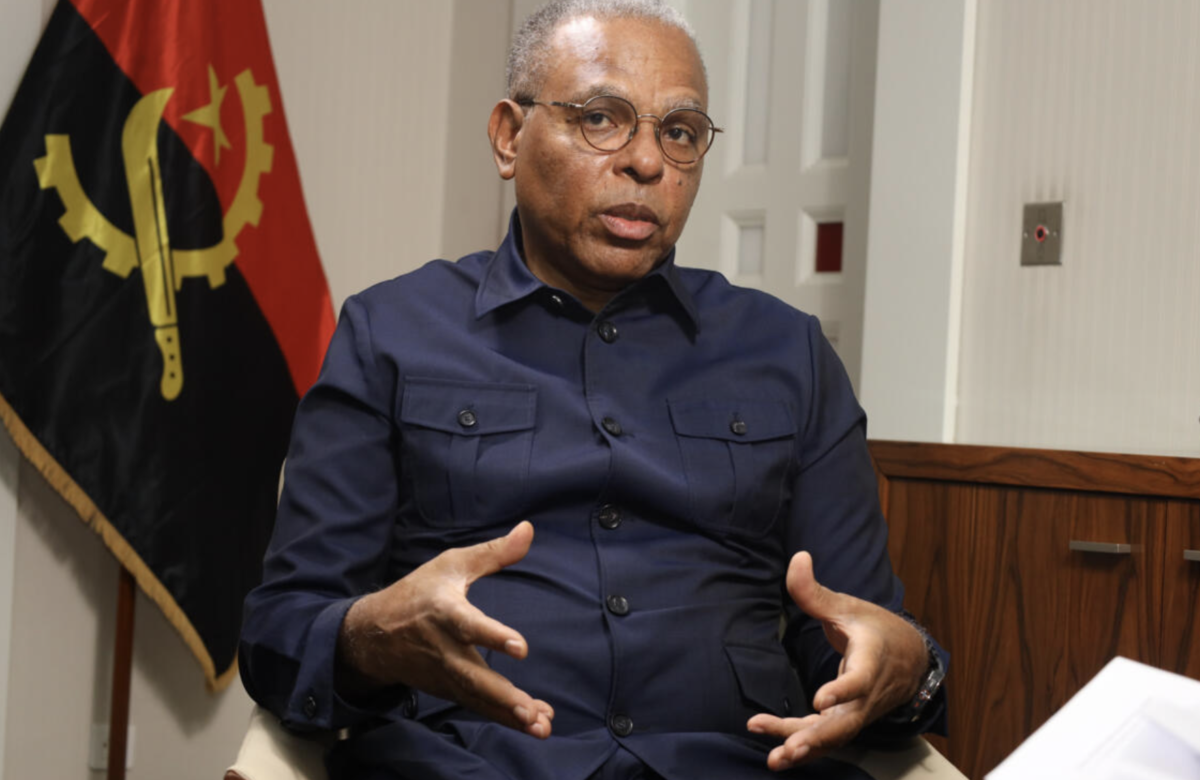
Angolan President and Acting Chairperson of the African Union, João Lourenço, met on Wednesday with senior religious leaders from the Democratic Republic of the Congo to assess the deteriorating security situation in the country’s conflict-hit eastern regions.

AfricaHeadline Reports Team
editorial@dw-demosnewstaion.online
The meeting, held at the Presidential Palace in Luanda, brought together representatives of the Conférence Épiscopale Nationale du Congo (CENCO) and the Église du Christ au Congo (ECC), two of the most influential religious institutions in the DRC, which play a central role in mediation, social cohesion, and peace advocacy.
Eastern Democratic Republic of the Congo has been plagued for years by armed violence involving rebel groups, local militias, and cross-border tensions. The conflict has displaced millions of civilians and created one of Africa’s most complex humanitarian crises.
According to Angolan officials, discussions focused on recent security developments, the humanitarian impact of the conflict, and regional efforts to restore stability, protect civilians, and encourage dialogue among the parties involved.
The initiative for the talks came directly from President Lourenço, reflecting Angola’s growing diplomatic engagement in African peace efforts since he assumed the rotating leadership of the African Union. Luanda has positioned itself as a key mediator in the Congolese crisis, consistently promoting political and diplomatic solutions over military escalation.

The meeting follows two visits by DRC President Félix Antoine Tshisekedi Tshilombo to Luanda in the same week, highlighting the urgency of intensified regional consultations as violence continues to destabilize eastern Congo.
Religious leaders from CENCO and ECC have long been involved in conflict resolution initiatives in the DRC, advocating for peaceful dialogue, national reconciliation, and the protection of civilian populations.
Angola’s engagement is part of broader African Union efforts to prevent the crisis from escalating into a wider regional conflict. Officials say sustained diplomacy, regional coordination, and international support remain essential to achieving lasting peace in the DRC.
For now, the priority remains de-escalation, humanitarian access, and rebuilding trust in a region where instability has become a tragic constant.
AfricaHeadline – RDC | Luanda Desk
Strategic Affairs • Diplomacy • Security • Regional Politics