South Africa faces energy and water crises in 2024, but emergency actions offer hope for improvement
- PoliticsSouth Africa
- October 16, 2024
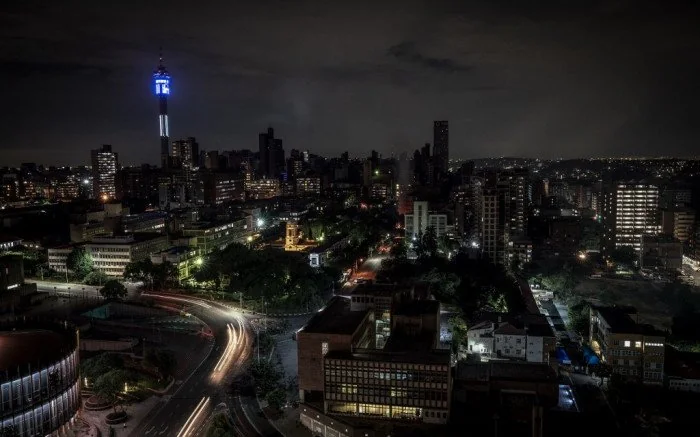

Johannesburg – In 2024, South Africa continues to grapple with recurring power outages and severe water supply disruptions, putting pressure on the economy and affecting the population’s quality of life. Decades of infrastructure neglect and inadequate maintenance have worsened the situation, impacting both industrial production and essential services, such as healthcare and education.
Despite efforts to reverse the power cuts, South Africa experienced over 200 days of electricity outages in 2023, and projections indicate that the load shedding will persist into 2025. The nation’s reliance on aging coal-fired power plants and frequent maintenance failures pose ongoing challenges, threatening economic growth and essential service delivery.
To mitigate the crisis, the government introduced an Energy Action Plan, showing significant progress by March 2024:
Repaired units at Kusile Power Station have restored capacity, reducing load shedding.
Tax incentives have doubled rooftop solar installations, surpassing 5,000 MW of additional capacity.
New renewable energy projects and battery systems, totaling 7,615 MW, are under development to increase electricity supply.
The government also secured energy import agreements with neighboring countries to stabilize the grid in the short term.
The water supply situation is equally critical. Rand Water, the largest bulk water supplier on the continent, warned that the system is collapsing, directly affecting 13 million people in Gauteng, including Johannesburg and Pretoria. The crisis is driven by high demand, leakage, and poor management.
Some of the key challenges include:
44% of treated water is lost due to leaks and theft.
Reservoir levels at Rand Water fell from 70% to just 30% by the end of 2023.
Frequent disruptions are impacting industrial production and mining, further threatening economic growth.
The water shortage has also become a political issue as the government faces mounting public criticism, especially with national elections on the horizon. Delays in infrastructure repairs and management issues have fueled frustration among voters.
Despite the challenges, a coordinated effort is underway to stabilize critical infrastructure. The government, in partnership with the World Bank, the G7, and other international stakeholders, is investing $8.5 billion to modernize the energy and water systems:
$3.9 billion will be allocated to expand solar and wind energy capacity.
New water recovery programs aim to reduce losses to 20% by 2025 and improve wastewater treatment.
Emergency measures are also being implemented to ensure that essential services remain operational during power outages and water disruptions.
While the challenges are substantial, South Africa is committed to rebuilding critical infrastructure and securing a more sustainable future. Advancing renewable energy and improving water management are key to restoring public confidence and promoting long-term economic growth.
With international partnerships and investments already underway, the country has the opportunity to overcome these difficulties and emerge stronger and more resilient. South Africa is positioned not only to improve the quality of life for its citizens but also to consolidate its role as a key player in the regional economy.