By AfricaHeadline – Investigative Desk
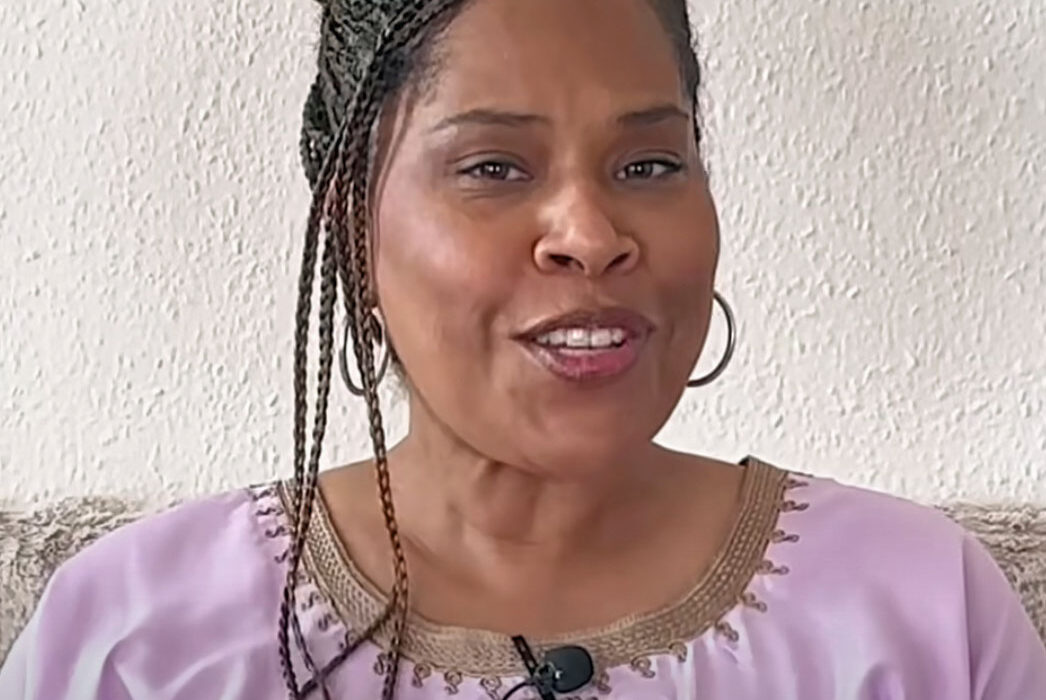
Nathalie Yamb, the Swiss-Cameroonian activist known as Africa’s “Iron Lady,” has become one of the most polarizing figures in the continent’s political debate. Fierce in her attacks on Françafrique, the decades-old system of French influence in Africa, she has positioned herself as a symbol of resistance and sovereignty.

AfricaHeadline Reports Team
editorial@africaheadline.com
Expelled from Côte d’Ivoire in 2019 after denouncing French interference and the IMF, Yamb turned adversity into momentum. On international stages and across social media, where she commands hundreds of thousands of followers, she has emerged as the voice of a generation rejecting Western paternalism and demanding self-determination.
Her defining moment came at the Russia–Africa Summit in Sochi in 2019, when she accused Paris of exploiting Africa and called for “partnerships of equals.” The viral speech earned her the nickname “Lady of Sochi” and crystallized a growing pan-African sentiment: that Africa must speak in its own voice, without foreign tutors.
Her visibility has brought sharp responses: 2019, Côte d’Ivoire: deported for “activities contrary to national interest.” 2022, France: banned from entering the country, accused of inciting hostility against French institutions. 2025, European Union: sanctioned under its framework against Russia’s “hybrid threats.”
Brussels accuses Yamb of amplifying Kremlin narratives and maintaining ties with AFRIC, an entity linked to Russian paramilitary networks. Measures include an EU-wide travel ban and asset freeze.
The EU has framed Yamb as part of a broader network of foreign information manipulation and interference. But for many of her supporters, the sanctions reveal Europe’s deeper fear: losing influence in a continent where France’s traditional allies are breaking away.
Research by the Institute for Strategic Dialogue (ISD) shows Yamb’s content is especially popular among young audiences in the Sahel, where Mali, Burkina Faso and Niger have already severed ties with Paris. Her message resonates: Africa must cut the invisible chains of dependency.
She denies any financial or operational ties to Russia.
“I don’t speak for Moscow or for Paris. I speak for Africa. Our sovereignty is not negotiable,” she told an audience in a recent forum.
Her message aligns with dramatic shifts on the ground. Mali, Burkina Faso and Niger expelled French forces, quit ECOWAS and formed the Alliance of Sahel States (AES). Russia stepped in with military deals, mining contracts and media operations.
In that context, Yamb’s rhetoric, sovereignty first, Western tutelage rejected, captures a rising pan-Africanism that demands Africa define its own destiny.
Carnegie Endowment: “Yamb embodies the fusion of digital activism and pan-African politics at a time when the continent is searching for new horizons.”
RUSI: “Her popularity reflects African frustrations with the West as much as any Russian messaging. Moscow benefits from a sentiment that was already there.”
Student voices in Bamako: “She says what we feel, that Africa must stand up and speak as one.”
Timeline — AfricaHeadline Explainer
-
2019 (Abidjan): Expelled from Côte d’Ivoire.
-
2019 (Sochi): Speech at Russia–Africa Summit; nicknamed “Lady of Sochi.”
-
2022 (Paris): Banned from French territory.
-
2025 (Brussels): Sanctioned by the EU for amplifying Kremlin-linked narratives.
What’s at stake
-
For Africa: asserting sovereignty, building equal partnerships, and strengthening continental unity.
-
For Europe: the risk of losing political, cultural and economic ground in a rapidly shifting Africa.
-
For Africa’s youth: the hope of a future where decisions are made by Africans, for Africans.
Quick facts
-
Name: Nathalie Yamb
-
Nationality: Swiss-Cameroonian
-
Age: 56
-
Nickname: “Lady of Sochi”
-
Platforms: X, Facebook, YouTube, TikTok, Instagram
-
Sanctioned by: Côte d’Ivoire (2019), France (2022), European Union (2025)