


Opinion | By AfricaHeadline
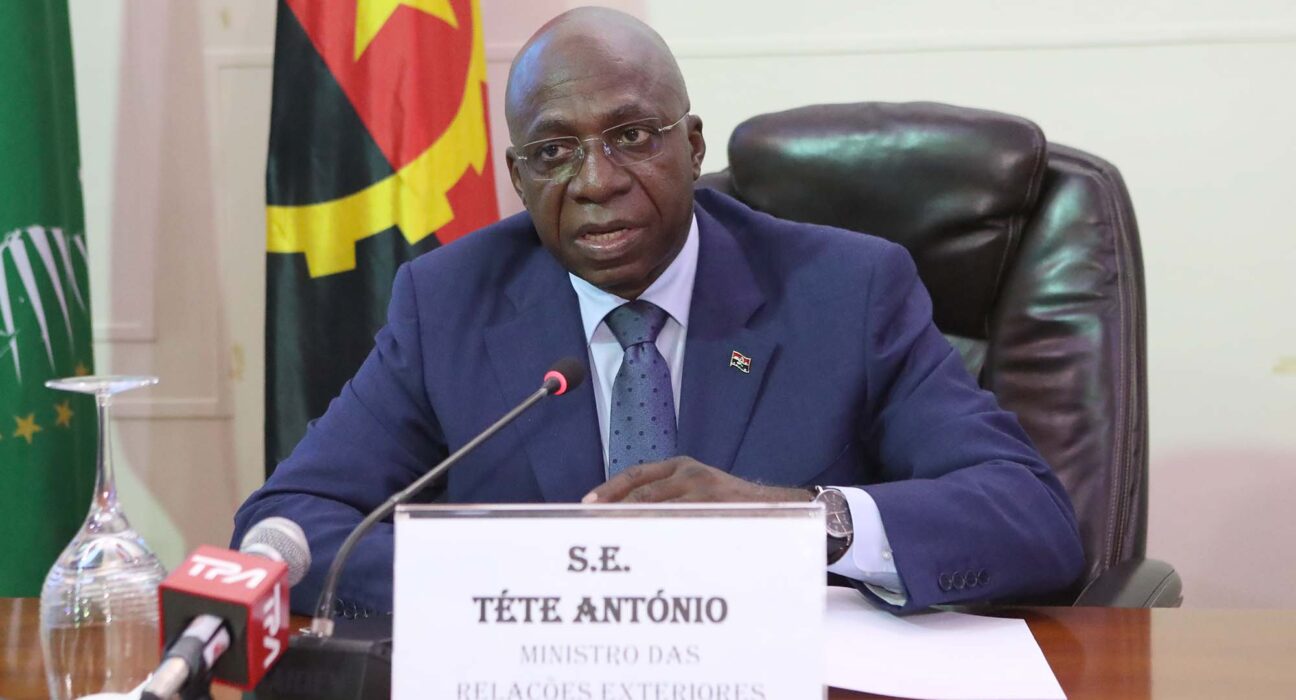
In a continent shaped by persistent conflict, fragile political transitions and rising geopolitical competition, Angola has quietly repositioned itself as a key diplomatic actor in Africa. At the centre of this shift stands Foreign Minister Tete António, the strategist behind President João Lourenço’s increasingly influential foreign policy agenda.

AfricaHeadline Reports Team
editorial@africaheadline.com
While Lourenço provides the political direction, António translates vision into diplomatic action. His role extends far beyond protocol. He has become the operational brain of Angola’s regional diplomacy, coordinating mediation efforts, shaping negotiation frameworks and reinforcing the country’s credibility as a neutral facilitator in complex African crises.
Angola’s engagement in the Great Lakes region, particularly in the Democratic Republic of Congo (DRC), illustrates this strategic approach. Rather than adopting a confrontational posture, Luanda has invested in dialogue, multilateral coordination and preventive diplomacy. This method reflects António’s preference for structured negotiations over reactive interventions, positioning Angola as a stabilising force rather than a partisan actor.
President João Lourenço’s leadership within African Union peace initiatives has given Angola the political legitimacy to act. But it is Tete António who manages the diplomatic machinery behind the scenes. His experience in international diplomacy has enabled Angola to navigate sensitive regional dynamics while maintaining constructive relations with competing actors.
Unlike traditional power diplomacy driven by military influence, Angola’s current strategy relies on diplomatic credibility, institutional engagement and regional trust. Under António’s coordination, Angola has strengthened ties with SADC, the African Union and key international partners, ensuring the country remains relevant in both African and global diplomatic circles.
This approach has reshaped Angola’s international image. Once primarily associated with post-war reconstruction and the oil sector, the country is now increasingly seen as a diplomatic broker capable of contributing to regional stability. That transformation did not happen by chance; it reflects deliberate strategic planning at the highest levels of Angola’s foreign policy establishment.
Crucially, Tete António’s diplomacy aligns with Lourenço’s broader governance agenda, which emphasises institutional reform, international credibility and regional cooperation. The synergy between political leadership and diplomatic execution has allowed Angola to project influence without overextension.
As Africa continues to face security challenges from the Sahel to the Great Lakes, the need for credible mediators remains urgent. Angola’s model, driven by strategic diplomacy rather than military assertiveness, offers a pragmatic alternative.
At the heart of this model stands Tete António, not as a symbolic figure, but as the strategist shaping Angola’s diplomatic resurgence.
AfricaHeadline International Desk
Global Affairs | African Diplomacy | Strategic Leadership


