The DRC’s untapped power could shape Africa’s economic future if it gets the strategy right
- Central AfricaDemocratic Republic of the Congo (DRC)EconomicOpinionsOptinions & World
- March 28, 2026
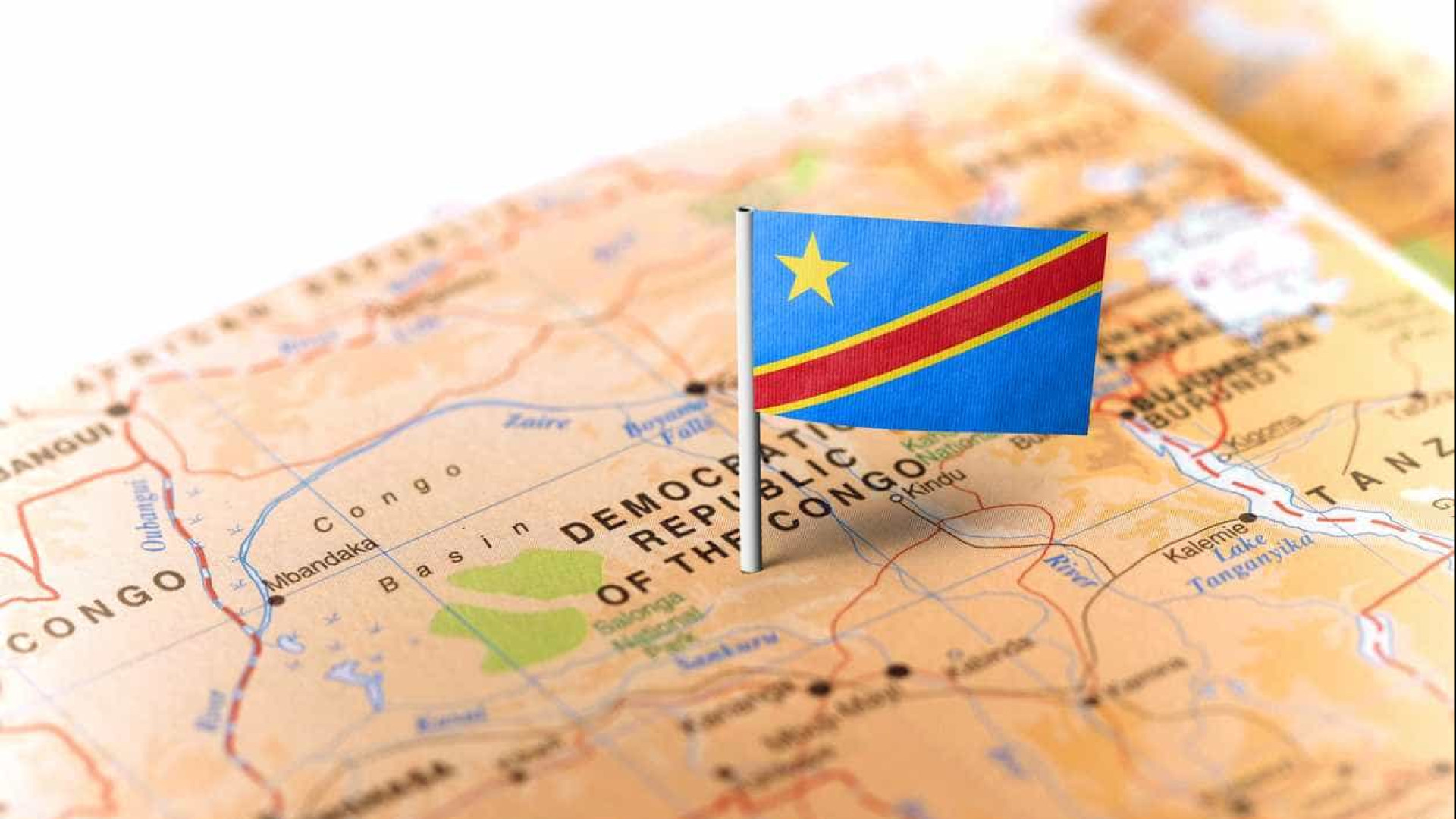

LAGOS – The Democratic Republic of the Congo has long been viewed as a paradox, a country endowed with vast natural wealth yet constrained by persistent instability and underdevelopment. But as the global economy shifts toward clean energy and critical minerals, that perception is increasingly being challenged.

AfricaHeadline Reports Team
editorial@dw-demosnewstaion.online
What was once seen as a story of missed opportunity is now becoming a question of strategic relevance.
With more than 100 million people and a territory spanning 2.34 million square kilometers, the DRC combines demographic weight, geographic scale and resource abundance in ways few countries can match. Yet its global importance stems less from its size than from what lies beneath its soil.
The country holds roughly 60% of global cobalt reserves and produces about 70% of the world’s supply, making it central to the production of electric vehicle batteries, renewable energy systems and modern electronics. In a world accelerating toward decarbonization, this positions the DRC as a critical player in the emerging green economy.
But the country’s economic reality tells a more complicated story.
Despite its dominance in mineral production, the DRC captures only a small fraction of the value generated by these resources. More than 70% of cobalt refining takes place outside Africa, largely in China, leaving the country dependent on exporting raw materials while importing higher value industrial products.
This imbalance reflects a broader structural challenge, the gap between resource wealth and industrial capacity.
The geopolitical implications are significant. The United States and the European Union have increased efforts to secure access to critical minerals, seeking to diversify supply chains and reduce reliance on Chinese processing. At the same time, China has deepened its involvement in the Congolese mining sector, reinforcing its position across the global value chain.
As a result, the DRC has become a focal point in a growing competition over strategic resources.
Yet this global attention has not translated into broad based development at home. More than 60% of the population lives below the poverty line, and fewer than 20% have access to electricity, underscoring the disconnect between national wealth and living standards.
In the country’s eastern regions, ongoing insecurity, often linked to control over mineral rich areas, continues to undermine stability and deter long term investment. The persistence of informal and illicit mining networks further complicates efforts to formalize the sector and increase state revenues.
Still, the country’s long term prospects remain significant.
The DRC’s hydroelectric potential, particularly through the Inga project, is estimated at up to 40,000 megawatts, enough to supply energy across large parts of Africa. If developed, such infrastructure could support industrial growth, reduce production costs and strengthen regional integration.
At the same time, global demand for battery materials is expected to surge. The market for energy storage technologies could exceed 400 billion dollars by 2030, driven by the expansion of electric vehicles and renewable energy systems. This trend presents a clear opportunity for the DRC to move beyond raw exports and develop local processing and manufacturing capacity.
The central question is whether the country can translate this opportunity into a sustainable development strategy.
Some analysts argue that the DRC’s future will depend on its ability to build an integrated industrial ecosystem, one that includes refining, processing and manufacturing within its borders. Such a shift would allow the country to capture a larger share of the value chain, create jobs and reduce its dependence on external actors.
Others caution that without institutional reforms, improved governance and greater transparency, the risks of external dependency and internal fragmentation will persist.
The country’s trajectory may ultimately hinge on how it balances these competing forces.
In an optimistic scenario, sustained reforms and strategic investment could support annual growth rates between 5% and 8%, enabling the DRC to emerge as one of Africa’s leading economies over the coming decades. With a population projected to exceed 200 million by 2050, it could also become a major consumer market.
In a more pessimistic scenario, however, the country risks remaining locked into an extractive economic model, with limited diversification and continued inequality.
The stakes extend beyond national borders.
In a global economy increasingly defined by access to critical minerals, the DRC occupies a position of growing importance. Whether it can leverage that position to drive inclusive growth or remains a supplier of raw materials in a global system shaped by others will be one of the defining economic questions of the next half century.
The DRC is not without options. But time, governance and strategy will determine whether it becomes a driver of Africa’s economic transformation or a missed opportunity once again.
– AfricaHeadline
Strategic Intelligence, Policy Analysis and Investment Perspectives Across Africa
© 2026 AfricaHeadline. All rights reserved.