If Luiz Inácio Lula da Silva led an African nation, hunger would likely become a national emergency
- OpinionsSAUTIWorld
- May 14, 2026

Johannesburg – Across much of Africa, governments are under growing pressure to confront a difficult reality: economic growth has not always translated into better living conditions for ordinary citizens.

AfricaHeadline Reports Team
editorial@dw-demosnewstaion.online
In several countries, rising food prices, youth unemployment and widening inequality continue to shape daily life, even as governments promote infrastructure projects, investment forums and ambitious development agendas.
Analysts say a Lula-style model in Africa would prioritise food security, social dignity and local economic inclusion
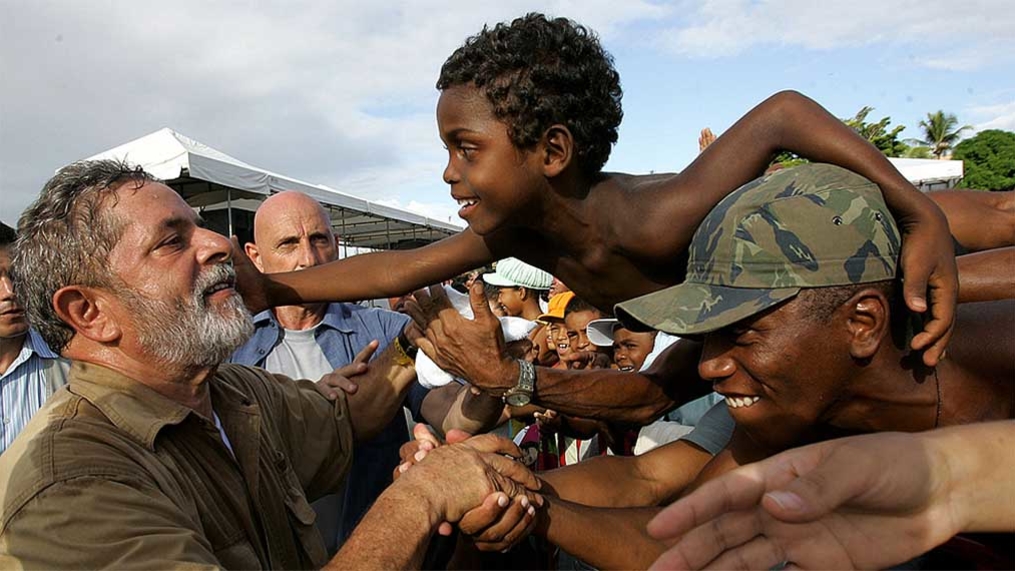
Against that backdrop, political analysts say that if Brazilian President Luiz Inácio Lula da Silva were governing an African country today, his administration would likely place the fight against hunger and poverty at the centre of state policy.
Lula’s political identity has long been associated with programmes aimed at reducing inequality and expanding social protection, particularly through initiatives linked to food access, rural inclusion and income support.
Experts say a similar model applied in Africa would probably focus heavily on agriculture, especially small-scale farming, public food programmes and local production systems.
“The central idea would be simple,” one regional economist told CNN. “A country cannot claim real sovereignty if it cannot feed its own population.”
The issue remains critical across the continent.
Despite possessing vast agricultural potential and some of the world’s largest reserves of uncultivated arable land, many African economies remain heavily dependent on imported food and vulnerable to global supply shocks.
The impact of the Covid-19 pandemic and the war between Russia and Ukraine exposed just how fragile food systems remain across several African states, particularly those reliant on imported wheat, fertilisers and processed food products.
Analysts say a Lula-style political framework in Africa would likely involve expanded school feeding programmes, subsidised agricultural credit, rural infrastructure development and stronger support for local farmers.
Rather than treating poverty solely as a welfare issue, the approach would attempt to connect social policy directly to economic production and national stability.
Many observers argue that one of Africa’s biggest structural contradictions lies in the fact that the continent exports strategic minerals and raw materials while continuing to import large quantities of food.
“That paradox is becoming increasingly difficult to ignore,” said another policy analyst based in Nairobi. “Africa has resources, land and labour. What it often lacks is coordinated long-term policy execution.”
Supporters of Lula’s model often point to Brazil’s Fome Zero programme, which linked food assistance with family farming, public procurement and social inclusion.
Critics, however, warn that applying a similar framework in Africa would face major obstacles, including corruption, institutional weakness, debt pressures and limited fiscal capacity.
Still, the broader debate reflects a growing sentiment across parts of the continent: that development can no longer be measured only through macroeconomic indicators or diplomatic visibility.
For millions of Africans, the real test of governance remains far more immediate, affordable food, stable employment and access to basic public services.
And perhaps that is where the “Lula effect” resonates most strongly in Africa today.
Not as a political ideology alone, but as a reminder that hunger is not simply a social issue, for many countries, it has become a question of national dignity.