Africa’s high-stakes push for scale and economic sovereignty
- Business and NetworkingEast AfricaRwanda
- May 14, 2026
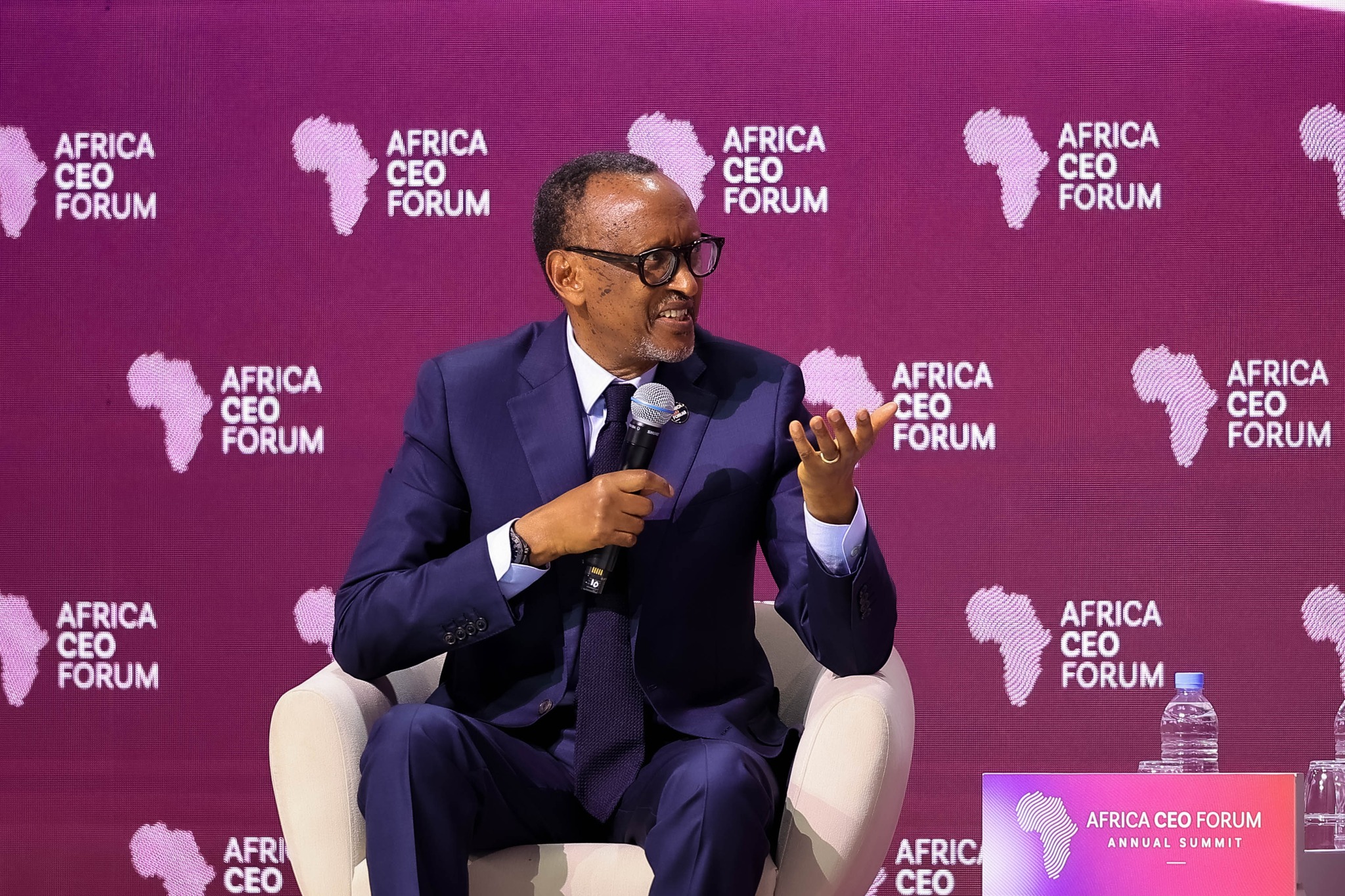

KIGALI, Rwanda — African leaders, investors and business executives gathered this week at the Africa CEO Forum 2025 with a blunt warning for the continent’s future: African companies must scale beyond national borders or risk being left behind in an increasingly fragmented global economy.

AfricaHeadline Reports Team
editorial@dw-demosnewstaion.online
The annual forum, now in its 13th edition, unfolded against a backdrop of intensifying geopolitical competition, disrupted global trade routes and growing international demand for Africa’s strategic minerals and energy resources. But unlike previous years dominated by investment pitches and development rhetoric, this year’s conversations carried a more assertive tone, one centred on economic sovereignty, industrial self-reliance and African control over African assets.
Under the theme “The Scale Imperative: Why Africa Must Embrace Shared Ownership,” participants argued that fragmented markets, weak regional integration and limited access to long-term capital continue to prevent African businesses from competing globally. The solution, many executives said, lies in cross-border ownership structures, regional investment partnerships and the mobilisation of African institutional capital.
“Africa has never lacked potential,” IFC Managing Director Makhtar Diop told delegates. “What has often been missing is the collective ability to act together.”
According to figures presented during the forum, Africa currently holds nearly US$2 trillion in assets managed by pension funds, sovereign wealth funds and insurance institutions. Yet much of that capital remains locked within domestic systems instead of financing regional infrastructure, industrial expansion and large-scale African enterprises.
The debate comes as Africa increasingly finds itself at the centre of a new global race for critical minerals essential to electric vehicles, renewable energy systems and artificial intelligence infrastructure. The continent possesses major reserves of cobalt, lithium, manganese and graphite, alongside nearly 60% of the world’s solar potential.
But several speakers warned that Africa risks repeating historical patterns if it continues exporting raw materials without building local industrial capacity. Leaders repeatedly stressed the importance of adding value locally, developing manufacturing industries and creating jobs capable of absorbing the continent’s rapidly growing youth population.
President Paul Kagame delivered one of the forum’s strongest messages, urging African governments to reject agreements that fail to generate long-term value for the continent. “It costs more to say yes to the wrong thing than to say no,” Kagame said, in comments widely interpreted as criticism of exploitative foreign investment arrangements.
Infrastructure development also emerged as a central pillar of the discussions. Projects such as the Lobito Corridor were highlighted as examples of a broader push to redesign African trade routes around regional integration rather than colonial-era extraction systems.
Executives from the African Development Bank and the International Finance Corporation said financing institutions are increasingly prioritising African-owned industrial champions, digital infrastructure, agriculture and energy transition projects. The IFC alone said it invested more than US$14 billion across Africa in 2025.
The forum also reflected growing African interest in home-grown technology solutions, particularly artificial intelligence applications tailored to local realities. Delegates discussed the emergence of “small AI” — practical systems focused on agriculture, healthcare and logistics rather than expensive large-scale models associated with Silicon Valley.
Still, behind the optimism lies mounting pressure. Africa remains vulnerable to global inflation, commodity volatility and external geopolitical conflicts that can rapidly destabilise local economies. Several speakers described the continent as “collateral damage” in crises created elsewhere, from the Covid-19 pandemic to the war in Ukraine.
Yet the overriding message from Kigali was one of urgency rather than pessimism. African leaders increasingly appear convinced that the continent’s next chapter will depend not only on attracting foreign investment, but on building African-owned institutions powerful enough to shape global markets on their own terms.
__
By AfricaHeadline Editorial Desk
© 2026 AfricaHeadline Media Network. All Rights Reserved.