CAPE TOWN The African Energy Chamber has called for an urgent expansion of refining capacity across Africa, warning that ongoing global supply disruptions linked to the Gulf war are exposing deep structural weaknesses in the continent’s energy systems.

AfricaHeadline Reports Team
editorial@africaheadline.com
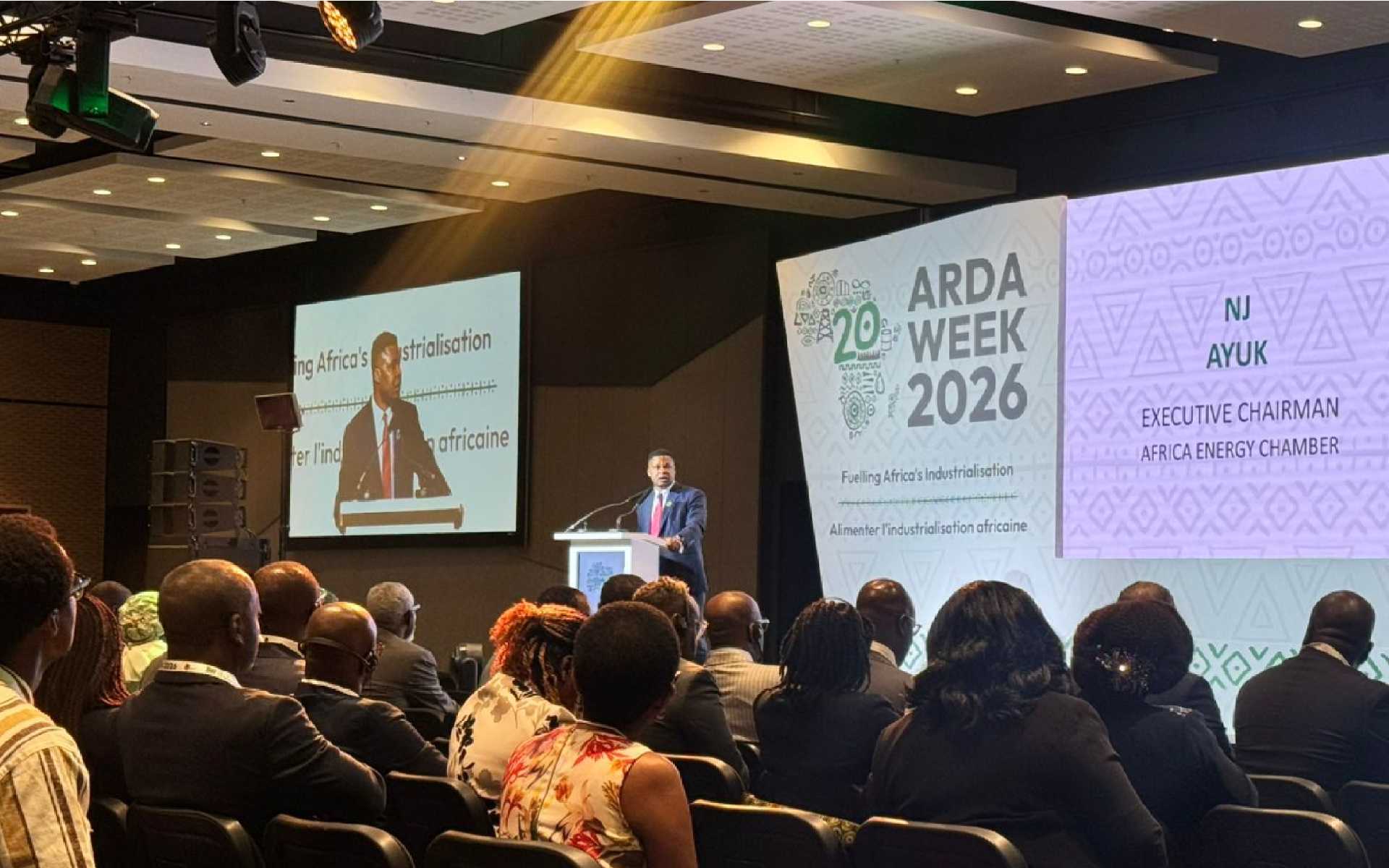
Speaking at ARDA Week 2026, industry leaders stressed that Africa remains heavily dependent on imported refined fuels, with some estimates indicating that over 70% of its fuel consumption is sourced externally, a vulnerability that continues to strain foreign exchange reserves and amplify exposure to global price volatility.
With more than 600 million Africans lacking access to electricity and nearly 900 million without clean cooking solutions, the urgency is compounded by projections that oil demand on the continent will reach 4.5 million barrels per day by 2050.
Delivering a keynote address, NJ Ayuk said the time for policy debate had passed, framing downstream investment as both an economic and social imperative.
“Energy poverty cannot only be an ideology, it must be addressed through action. Africa needs to produce more energy, and we must not hold back,” he said, reinforcing the chamber’s message, “refine, baby refine.”
Shift toward African-led energy development
Ayuk pointed to a structural transformation underway in Africa’s energy landscape, with local companies increasingly leading investment and infrastructure development once dominated by foreign multinationals.
Flagship projects such as the Dangote Refinery, alongside private sector players like the Sahara Group, are redefining ownership dynamics and signalling a broader shift toward indigenous capital and operational control.
However, analysts caution that progress remains uneven. Several refining projects across the continent have faced delays linked to financing constraints, regulatory uncertainty and infrastructure gaps, underscoring the scale of execution risk.
Refining seen as key to industrialisation
Expanding refining capacity is increasingly viewed as central to Africa’s industrialisation agenda. By processing crude domestically, countries can reduce reliance on imports, stabilise supply chains and retain greater economic value.
The downstream sector also provides a foundation for broader industrial ecosystems, including petrochemicals, manufacturing and logistics, sectors critical to job creation and economic diversification.
In countries such as Angola, ongoing investments in refining infrastructure are expected to play a pivotal role in reducing fuel import bills and strengthening national energy security, aligning with wider efforts to accelerate non-oil economic growth.
Policy and capital remain decisive factors
Despite strong momentum, industry leaders emphasised that unlocking the sector’s full potential will require significant policy reform and capital mobilisation.
Ayuk called for more competitive fiscal regimes, streamlined regulatory frameworks and improved access to financing for African companies. He also highlighted persistent barriers to intra African trade, including tariffs and customs inefficiencies, which continue to limit regional energy integration.
According to estimates presented at the conference, Africa will require over 100 billion dollars in refining investments to meet future demand, presenting a substantial opportunity for international investors, development finance institutions and sovereign funds.
A strategic turning point
As global energy markets become increasingly volatile, stakeholders argue that Africa faces a defining moment, either remain exposed to external shocks or build a resilient, integrated energy value chain.
“We will not apologise for producing the energy we need. We will refine, we will drill, and we will ensure access for our people,” Ayuk said.
For many in the sector, the message is clear, refining is no longer just an industrial ambition, but a strategic necessity for economic sovereignty and long term development across the continent.
AfricaHeadline | Energy & Markets | Strategic Intelligence on Africa’s Energy Transition and Industrial Growth
© 2026 AfricaHeadline. All rights reserved.