By AfricaHeadline Analysis Desk
Lagos / Washington / Jerusalem / Tehran — April 2026
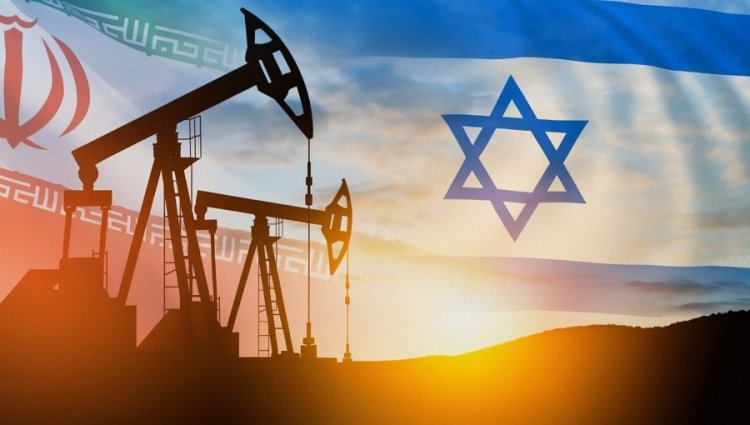
The latest tensions involving Iran, Israel, the United States and Lebanon may look like another sudden escalation. But this is not a new conflict. It is a layered geopolitical struggle that has been evolving for decades, shaped by ideology, security doctrines and control over some of the world’s most critical energy routes.

AfricaHeadline Reports Team
editorial@africaheadline.com
The immediate trigger may shift from week to week, from missile exchanges to maritime tensions, but the structure of the conflict remains remarkably consistent. Each actor is operating within a long-term strategic framework, and each escalation is less an isolated event than a recalibration of power.
Global markets have already reflected that reality. Oil prices briefly surged toward $95 per barrel, while war-risk insurance premiums for vessels in the Gulf rose by as much as 30%. At the center of the crisis lies a strategic chokepoint through which nearly 20% of global oil supply flows, turning regional instability into a global economic risk.
To understand the current confrontation, analysts consistently point back to the Iranian Revolution, a turning point that fundamentally altered the Middle East’s geopolitical architecture.
Before 1979, Iran maintained pragmatic, albeit discreet, relations with Israel and was aligned with Western interests. The revolution replaced that model with an ideological framework that positioned Tehran in direct opposition to both Israel and the United States.
From that moment, the region shifted from a balance of alliances to a system of competing visions. Iran began projecting influence through regional networks, while Israel reinforced a doctrine built on deterrence and pre-emptive action. What followed was not a conventional war, but a persistent state of confrontation, often indirect, but strategically decisive.
Nowhere is this confrontation more visible than in Lebanon, where the rise of Hezbollah in the 1980s created a long-term security dilemma for Israel and a forward operating layer for Iran.
The 2006 Lebanon War remains a defining moment, demonstrating that even large-scale military engagement could not fundamentally resolve the balance between deterrence and resistance.
Today’s ceasefire reflects that same structural limitation. While it reduces immediate hostilities, it does not dismantle the underlying strategic reality. Israeli forces remain positioned near key border zones, and Hezbollah continues to maintain operational capability.
The consequences extend beyond military considerations. More than 1 million people have been affected by the latest escalation, and infrastructure damage in southern Lebanon is estimated in the billions of dollars, deepening economic fragility and limiting the country’s ability to recover.
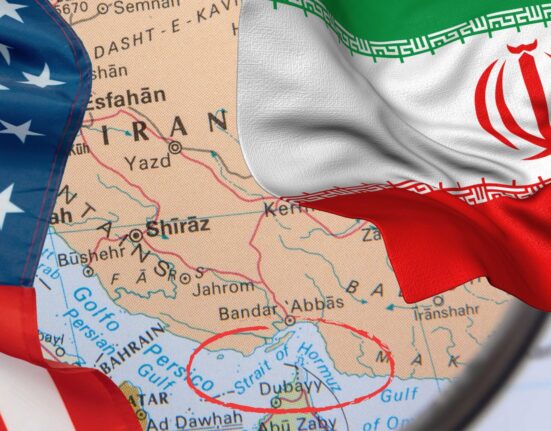
At the heart of the crisis lies the Strait of Hormuz, one of the most important energy corridors in the world.
Roughly one-fifth of global oil consumption passes through this narrow waterway. That alone gives it outsized geopolitical importance. But the real leverage comes from uncertainty. Even the possibility of disruption can trigger price spikes, increase shipping costs and ripple through global supply chains.
Iran’s strategic advantage is not necessarily in closing the strait, but in maintaining the credible ability to disrupt it. This form of asymmetric leverage allows Tehran to influence global markets without crossing the threshold into full-scale war.
For energy-importing regions, particularly Europe and Asia, this translates into heightened vulnerability and increased economic exposure.
The United States remains the central external power in this equation, combining military deterrence with diplomatic engagement.
Since withdrawing from the nuclear agreement in 2018, Washington has pursued a strategy that blends sanctions, naval presence and indirect negotiations. The objective is clear: contain Iran’s nuclear ambitions while avoiding a broader regional conflict.
But this approach carries inherent contradictions. Pressure without a defined diplomatic endgame risks prolonging instability, while engagement without enforcement risks weakening deterrence.
Strategically, the United States is managing not just a conflict, but a balance of risks. Escalation could destabilize global markets and draw in additional actors. De-escalation, if not carefully structured, could shift the regional balance of power in ways that challenge long-term U.S. influence.
European leaders, including Emmanuel Macron and Keir Starmer, are increasingly positioning Europe as a stabilizing force, focusing on maritime security and coordinated diplomacy.
This reflects a deeper strategic concern. Since 2022, Europe has reduced its reliance on Russian energy, increasing its exposure to alternative supply routes, particularly those passing through the Gulf.
As a result, protecting shipping lanes has become not just a regional issue, but a core economic priority.
However, Europe’s influence remains structurally limited. While it can coordinate security efforts and support diplomatic initiatives, it lacks the unified military capacity and political cohesion needed to shape the core dynamics of the conflict.
The economic consequences of the crisis are already reshaping global behavior.
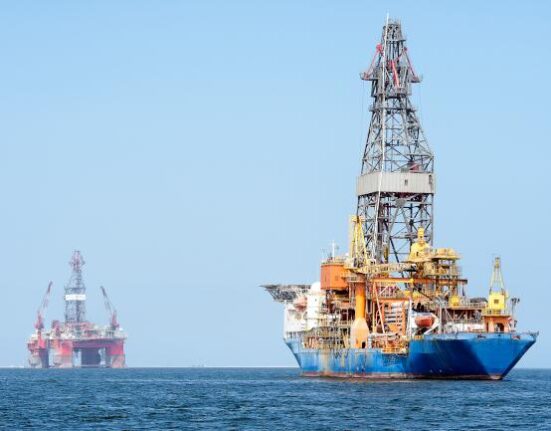
Energy companies are reassessing operational exposure in the Gulf. Shipping and insurance costs continue to rise, feeding into broader supply chain pressures. Defense spending is increasing across Europe and the Middle East, reflecting a shift toward security prioritization.
At the same time, investors are reallocating capital toward safer assets, increasing volatility in emerging markets.
Some analysts estimate that prolonged instability in the Strait of Hormuz could add between 0.5 and 1 percentage pointto global inflation, depending on how long disruptions persist.
The persistence of the conflict is not accidental. It reflects the absence of a shared security framework among the key actors.
Iran seeks recognition, influence and strategic autonomy, srael prioritizes survival through deterrence and pre-emptive defense the United States aims to contain threats while preserving regional balance and Lebanon remains structurally fragile and exposed.
These objectives are not easily aligned, making long-term resolution difficult and ceasefires inherently fragile.
What is unfolding today is not a transition toward peace, but an adjustment within an ongoing system of managed instability.
The reopening of shipping routes and the temporary ceasefire reduce immediate pressure, but they do not address the structural drivers of conflict. Each actor retains both the capability and the incentive to escalate if conditions shift.
For global markets, that means volatility may ease, but risk remains embedded. For policymakers, it means managing a persistent and evolving crisis rather than resolving it.
In the Middle East, conflict does not simply end. It adapts, reshapes itself and returns in new forms, each time with implications that extend far beyond the region.
By AfricaHeadline Analysis Desk
Lagos • Johannesburg • London • Washington
© 2026 AfricaHeadline. All rights reserved.