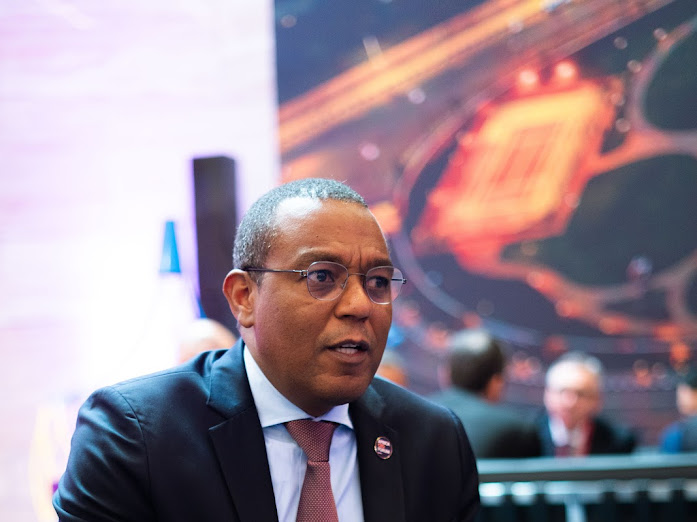
KIGALI – When João Lourenço moved to reorganise the architecture of Angola’s economic governance, few figures combined macroeconomic discipline, institutional credibility and political coordination capacity as effectively as José de Lima Massano. In a country historically shaped by oil dependency, exchange-rate instability and exposure to external commodity shocks, Massano gradually emerged as the central technical operator behind Angola’s attempt to engineer a controlled economic transition.

AfricaHeadline Reports Team
editorial@africaheadline.com
Reserved in style but strategic in execution, the Minister of State for Economic Coordination has become one of the most influential figures within Angola’s contemporary governance structure. More than a policymaker, he increasingly represents a governing doctrine centred on macroeconomic stabilisation, productive diversification, fiscal discipline and the reconstruction of Angola’s financial credibility among regional and international investors.
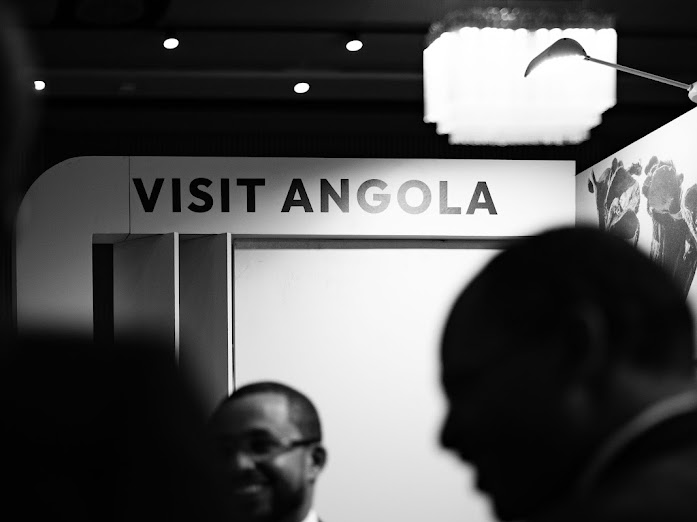
Behind the scenes in Luanda, the strategic direction has become increasingly clear: President João Lourenço is attempting to reposition Angola from a commodity-dependent economy into a more diversified production-based system integrated into regional African trade dynamics. Massano has effectively become the principal architect of that transition.
The recalibration began gaining traction after 2022, when Angola entered a gradual but politically significant restructuring phase. While several African economies faced mounting inflationary pressure, currency depreciation and debt vulnerabilities, Angola began posting more resilient non-oil growth indicators. Between 2022 and 2025, the country’s economic structure started to shift progressively away from excessive reliance on hydrocarbons.
Angola’s economy expanded by approximately 3 per cent in 2022, supported mainly by agriculture, fisheries, transport, trade and telecommunications. Growth remained positive in 2023 as domestic demand gradually recovered and private sector activity accelerated. By 2024, economic expansion was estimated at roughly 4.1 per cent, one of the country’s strongest post-pandemic performances. In 2025, GDP growth stood at 3.13 per cent despite a 5.23 per cent contraction in the oil sector, underlining the growing resilience of non-oil activity.
The most politically significant element of this trajectory is not necessarily headline growth itself, but the gradual shift in Angola’s economic centre of gravity. For decades, oil functioned simultaneously as the country’s primary fiscal engine, foreign exchange source and political stabiliser. Today, Luanda is attempting to redistribute that dependence towards sectors viewed as more socially and strategically sustainable, including agriculture, agro-industry, logistics, manufacturing, telecommunications and services.
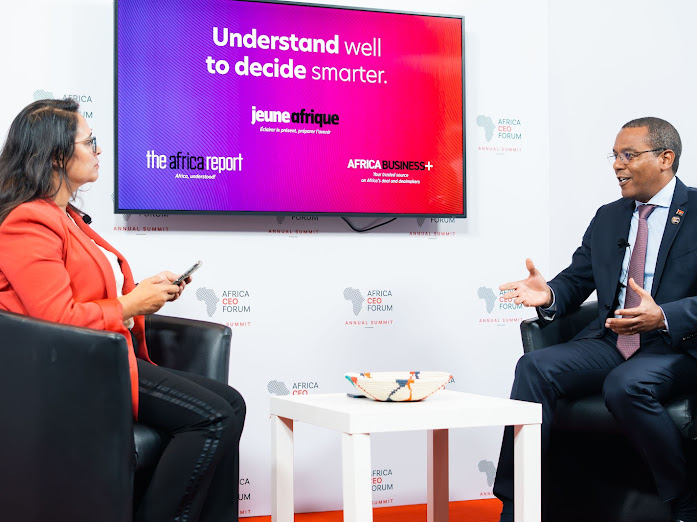 The non-oil economy has become the clearest indicator of that transformation. Non-oil GDP growth exceeded 7 per cent in several quarters during 2025, reaching approximately 7.34 per cent in the final quarter of the year. Services now account for roughly 46.5 per cent of Angola’s economic output, with commerce alone contributing nearly 19.3 per cent of GDP. Public administration represents approximately 11.5 per cent, while transport, logistics and telecommunications continue expanding as Angola attempts to position itself as a regional trade and connectivity hub linking Southern and Central Africa to the Atlantic corridor.
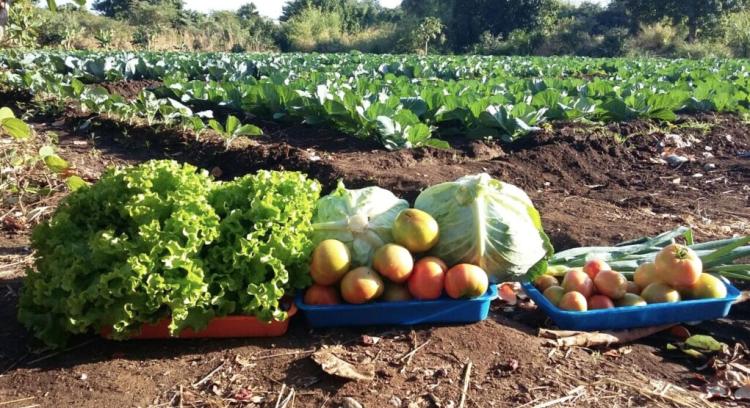
Agriculture has emerged as a strategic pillar of the government’s economic doctrine. The sector now represents close to 20 per cent of national GDP, a substantial shift for an economy long dominated by hydrocarbons. Within the Executive’s strategic thinking, agriculture is no longer treated merely as a rural development issue but increasingly as an instrument of economic sovereignty, domestic stability and import substitution.
The poultry industry illustrates this policy shift particularly clearly. Angola’s domestic chicken production capacity has expanded significantly, creating mounting pressure for stronger internal market protection measures. Policymakers are now openly discussing selective import restrictions designed to protect local producers, improve market absorption and strengthen domestic agricultural value chains.
Politically, the message is unmistakable: Angola intends to reduce structural dependence on imported food products and build a more autonomous productive base, even if this generates friction with established import networks.
This strategic approach resembles hybrid industrial policies historically adopted by emerging economies that combined partial liberalisation with selective protection of sectors deemed nationally strategic. The government’s objective is not economic isolationism, but rather the creation of transitional protection mechanisms capable of allowing local industries to achieve scale, competitiveness and financial sustainability.
The sugar industry has become another symbolic example of Angola’s productive restructuring. Biocom alone produces approximately one million tonnes of sugar cane annually, with authorities increasingly acknowledging that substantial portions of informal and family agricultural production remain undercaptured within official statistical frameworks. Policymakers believe Angola could eventually position itself among the region’s largest agricultural producers in selected commodity segments if current expansion trends continue.
At the same time, Luanda is attempting to reshape international perceptions of the country.
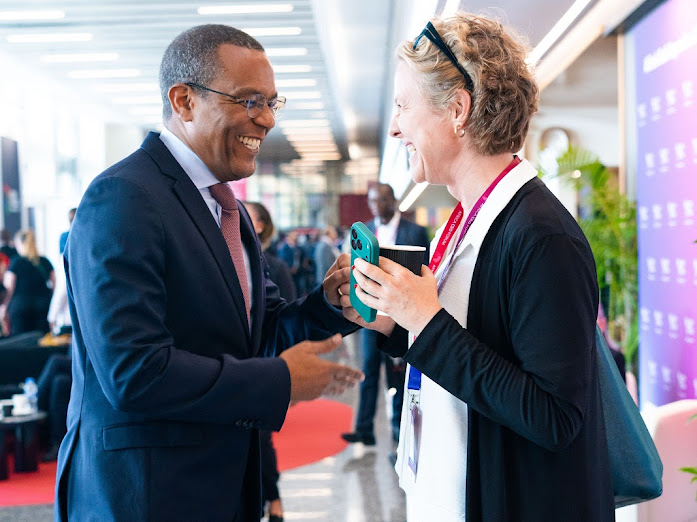
For years, Angola’s reputation across Africa remained tied to the post-2014 oil crisis period: foreign exchange shortages, high operational costs, bureaucratic rigidity and excessive commodity dependence. Yet in recent business and investment forums in Nairobi, Kigali and other African financial centres, Angolan officials have increasingly encountered a different reaction from investors, bankers and regional business leaders.
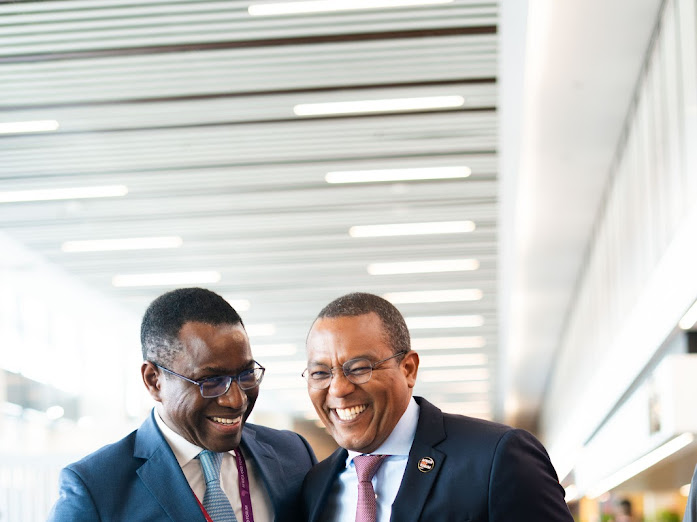
The surprise no longer stems solely from Angola’s natural resource base. Increasingly, it derives from the perception that the country may finally be entering a more structured phase of economic diversification and institutional recalibration.
Within government circles, another concept has become increasingly important: reputational lag. Policymakers believe Angola’s international image remains partially trapped in the economic realities of 2014, even as the country’s macroeconomic structure gradually evolves.
This explains why economic communication itself has become a strategic policy instrument under Massano’s coordination.
The underlying logic is that macroeconomic reforms alone are insufficient if investors, regional markets and domestic economic actors fail to internalise the perception of structural change. Luanda now appears increasingly focused on transforming economic indicators into political confidence, productive nationalism and international credibility.
In many respects, Angola’s current economic competition is no longer merely about commodities or infrastructure. It is increasingly about narrative positioning within Africa’s evolving economic order.
Rwanda markets institutional efficiency, Kenya projects technological dynamism, South Africa leverages financial sophistication and Angola is now attempting to position itself around productive transformation, regional logistics integration, agricultural scale and macroeconomic stability. Yet the challenges remain substantial.
Despite improving macroeconomic indicators, Angola continues to face high youth unemployment, elevated living costs and persistent social inequality. Government officials privately acknowledge that statistical growth alone will not automatically neutralise accumulated social pressures.
That is precisely why João Lourenço appears to continue relying heavily on José de Lima Massano.
Within Angola’s current political architecture, Massano has come to represent more than economic management. He increasingly embodies the technical and strategic core of Angola’s attempt to replace a dependency-based economic structure with a production-oriented model capable of generating greater resilience, regional competitiveness and long-term political stability.
__
By AfricaHeadline Editorial Desk
Strategic Insight. African Perspective.
© 2026 AfricaHeadline Media Network. All Rights Reserved.
**This material is protected under international copyright and intellectual property laws. No part of this publication may be reproduced, distributed, transmitted or republished in any form or by any means without prior written authorization from AfricaHeadline Media Network.**