Africa’s strongest regions in 2025: Mapping a continent in transformation
- Central AfricaEast AfricaEconomicNorth AfricaSouthern AfricaWest Africa
- July 13, 2025

LAGOS – Despite climatic shocks, political instability in parts of the continent, and mounting debt pressures, several African economies demonstrated notable resilience in the first half of 2025.

AfricaHeadline Reports Team
editorial@dw-demosnewstaion.online
According to the latest projections from the International Monetary Fund (IMF) and the African Development Bank (AfDB), the continent is expected to grow by around 3.8% this year — though economic performance varies greatly across its five main regions.
While some countries remain heavily dependent on commodities, others are embracing digital transformation, agricultural diversification, and structural reforms to sustain macroeconomic stability.
This regional analysis, based on official data and reports from international institutions, provides an updated snapshot of Africa’s economic landscape.
With projected growth of 3.0% in 2025, Southern Africa continues to be anchored by South Africa — still the continent’s largest economy, with a GDP exceeding US$410 billion. Despite modest real growth of 1.6% in the first half of the year, South Africa boasts Africa’s most advanced banking system, diversified exports, and ongoing reforms in its energy sector.
Zambia and Zimbabwe are capitalizing on the rising global demand for lithium and copper, while Mozambique continues to attract substantial investments in natural gas. However, the region struggles with prolonged electricity crises, high unemployment rates, and vulnerability to extreme weather patterns, including floods and droughts.
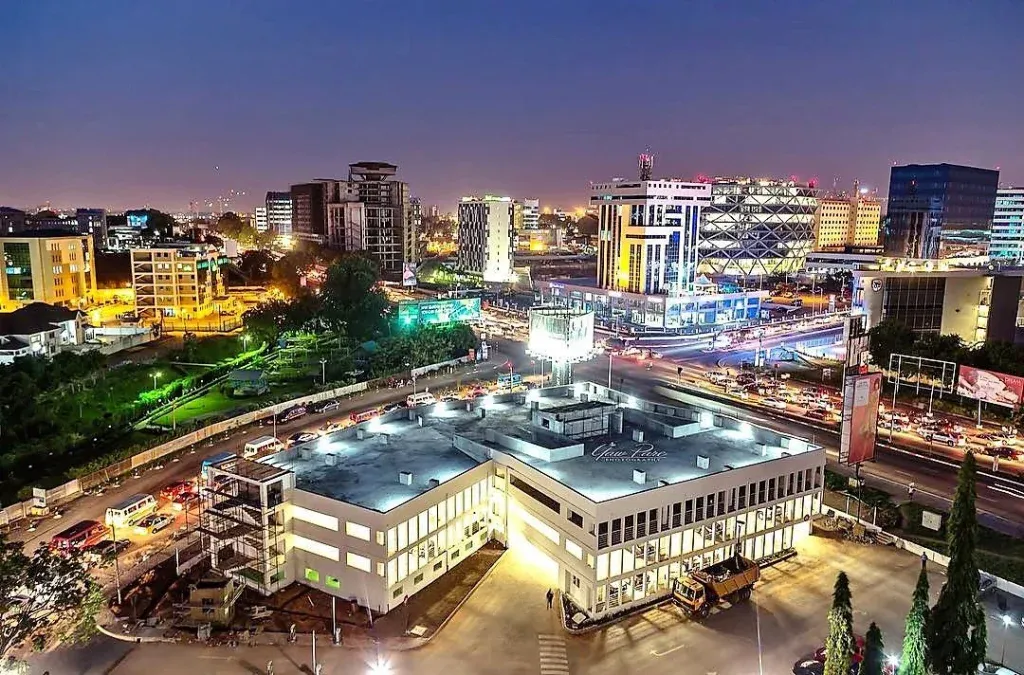
West Africa is set to grow by approximately 4.5% in 2025. Côte d’Ivoire and Ghana remain global cocoa leaders, but the 2025/2026 harvest is expected to shrink by up to 10%, due to disease outbreaks and erratic weather conditions.
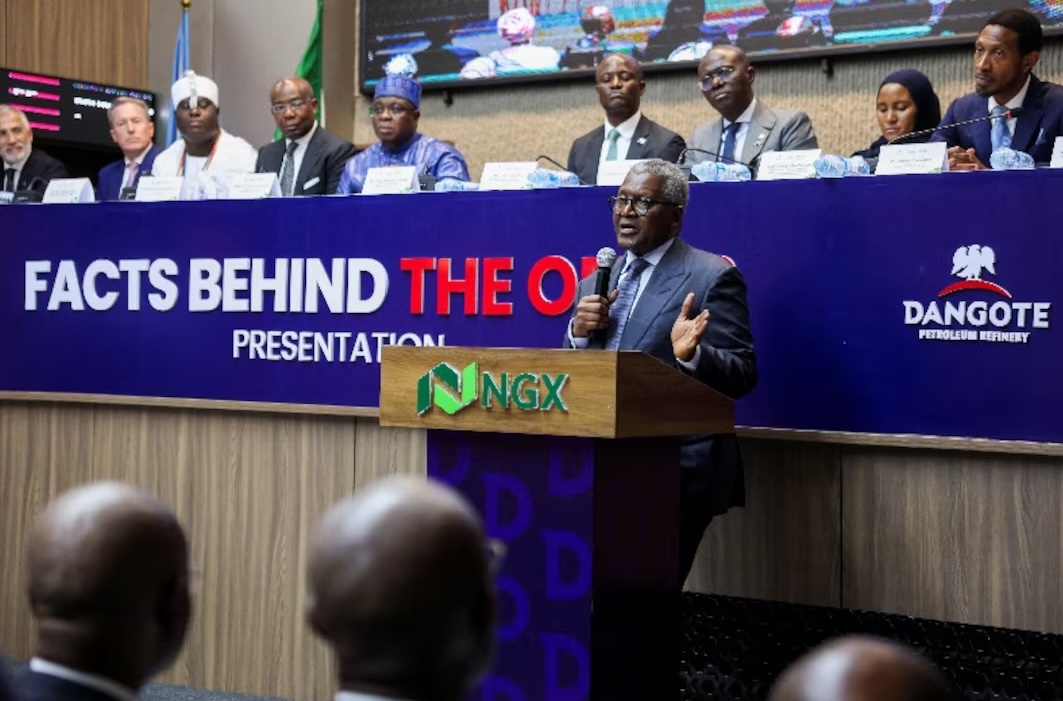
Meanwhile, countries like Senegal, Nigeria, and Mauritania are advancing in green energy and fintech. Mauritania alone is expected to receive over US$40 billion in green hydrogen investments, placing the region at the forefront of Africa’s clean energy transition.
Mobile-based agriculture solutions and fintech platforms have accelerated financial inclusion, particularly in rural communities. However, ongoing political instability in Mali, Guinea, and Burkina Faso poses a serious threat to the region’s development ambitions.
With a projected regional growth rate of 5.3% in 2025, East Africa is currently the most dynamic subregion of the continent. Kenya leads with a GDP of over US$131 billion, fueled by strong agricultural exports, a recovering tourism sector, and a thriving digital economy.
Ethiopia, Tanzania, Rwanda, and Uganda are also showing strong economic performance. Regional integration remains a top priority, with major investments in infrastructure, cross-border railways, and digital platforms like the EARDIPinitiative, supported by the European Union.
Nonetheless, fiscal deficits, environmental vulnerabilities, and security tensions in South Sudan and Ethiopia present ongoing challenges.
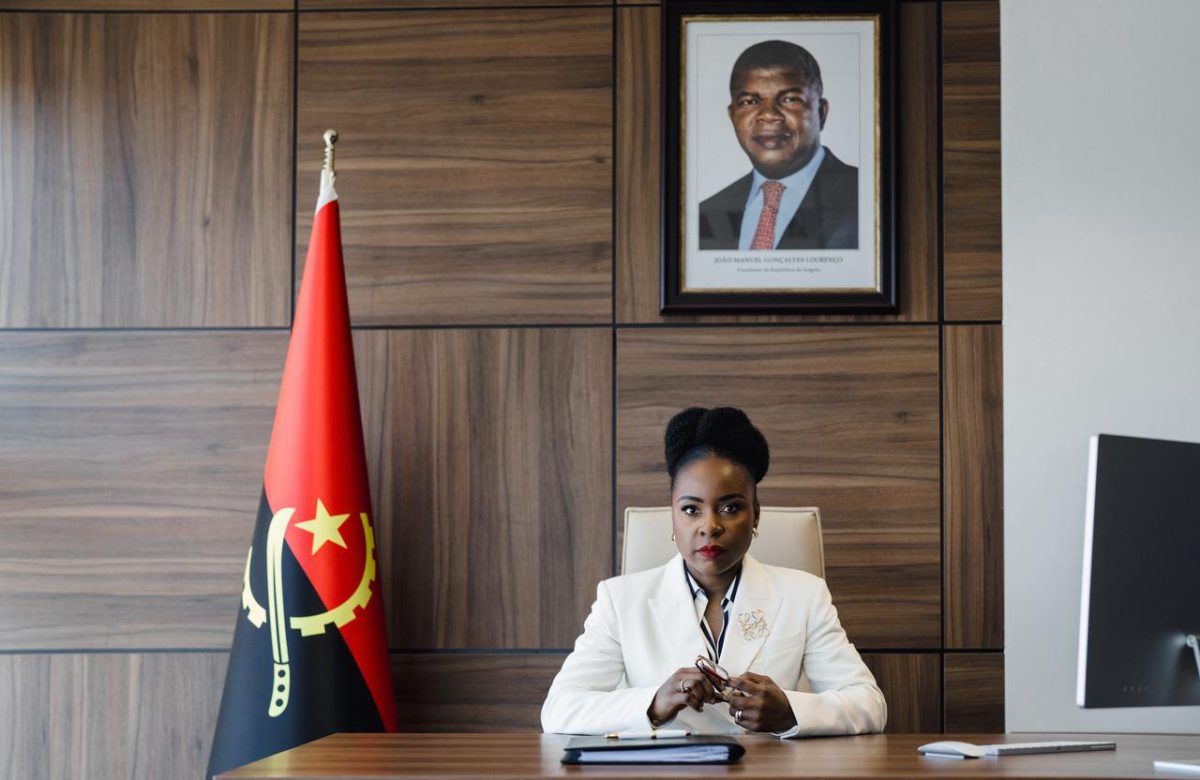
Despite a projected growth rate of 3.9%, Central Africa remains heavily dependent on oil and gas exports. Angola, Equatorial Guinea, and Gabon have reported stable production levels, but economic diversification remains limited.
In April 2025, U.S. lawmakers proposed suspending IMF support to the region over concerns regarding the transparency of environmental funds in CEMAC countries.
Meanwhile, several governments are trying to attract investment into infrastructure, agriculture, and telecoms, with mixed success. Economic resilience in this region will depend heavily on improving governance and managing resource revenues more effectively.
With an average growth rate of 3.9%, North Africa remains relatively stable. Egypt has taken major steps to revive its economy following structural reforms negotiated with the IMF. In the first nine months of 2024, the country exported over US$2.17 billion in gold, positioning mining as a key growth driver.
Morocco has maintained inflation at manageable levels (around 2%) and advanced in fiscal and subsidy reforms, while Algeria and Tunisia are gradually opening up to private investment and energy sector reforms.
Libya, despite ongoing political instability, is forecast to grow by 3 to 4% thanks to a recovery in oil production.
Recent data confirm a growing disparity in Africa’s development paths. East Africa is moving fast, backed by innovation and integration. West Africa is pivoting to digital and green industries despite fragility in traditional exports.
Southern Africa is undergoing difficult reforms, while Central Africa faces external scrutiny and governance challenges. North Africa moves forward with caution, balancing reforms and geopolitical risks.
To unlock Africa’s full economic potential, leaders and partners must invest in human capital, accelerate regional integration, and support fair and transparent governance. Agriculture, digital infrastructure, education, and renewable energy will be key to turning short-term resilience into long-term transformation.
Across all five regions, public debt remains a growing concern. More than 22 African countries now face moderate to high risk of debt distress, prompting calls for renewed global efforts to restructure and reschedule liabilities. The IMF and AfDB have recommended tighter fiscal policies and targeted subsidies to protect the most vulnerable while preserving macroeconomic gains.
Climate adaptation funding is also becoming increasingly urgent. East and West Africa, in particular, have experienced severe droughts and flooding in early 2025, affecting food production and displacing thousands. Regional climate resilience funds and sovereign green bonds are gaining traction, but disbursement remains slow.
There is also a renewed push for African economies to take advantage of the African Continental Free Trade Area (AfCFTA). So far, only a few countries have made significant progress in implementing trade facilitation mechanisms. Experts warn that without improved logistics and harmonized standards, the full benefits of AfCFTA could remain elusive.
Meanwhile, digital transformation is creating new growth frontiers. From M-Pesa in Kenya to digital farming apps in Nigeria and drone delivery services in Rwanda, Africa’s tech-driven sectors are outpacing legacy industries. However, these innovations require robust regulatory frameworks and infrastructure investment to scale across borders.
Lastly, political stability remains the most critical factor. As elections loom in several countries, including Ghana,
Ethiopia, and Libya, investors and citizens alike are watching closely for signs of democratic consolidation or reversal. The ability of governments to manage transitions peacefully and transparently will shape Africa’s economic trajectory far beyond 2025.