Daniel Chapo Announces Inclusion of Civil Society in State Reform Talks
- MozambiquePolitics
- March 12, 2025
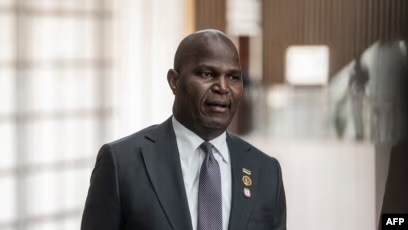

Maputo, Mozambique – Mozambican President Daniel Chapo announced on Tuesday the inclusion of three “highly esteemed” civil society figures in the commissions and working groups set to debate and implement state reforms in the country.

AfricaHeadline Reports Team
editorial@dw-demosnewstaion.online
The decision aligns with the March 5 Political Agreement, signed between the government and nine political parties, outlining key directives for modernizing and restructuring strategic state sectors.
Speaking to the press in Maputo, Chapo underscored the importance of an inclusive and participatory process, emphasizing that the presence of civil society representatives would ensure greater transparency and legitimacy in the reforms.
“The agreement itself highlights the need to include three civil society figures, selected based on clear criteria of merit and representativeness. The aim is to ensure that these voices actively contribute to the working group, which is already initiating this process,” Chapo stated, as quoted by Lusa.
Beyond civil society participation, the Mozambican president emphasized that state reforms would not be confined to the government and political parties but would engage various sectors, including business organizations, trade unions, academics, and community leaders.
Tuesday’s meeting between Chapo and the signatories of the political agreement focused on advancing the technical commission and sectoral working groups tasked with executing the reform plan.
According to Chapo, the process will unfold in three key phases:
Establishment of the technical commission and working groups, composed of government representatives, political parties, and experts.
Technical discussions and analysis of reform proposals, incorporating input from various professional and social sectors.
Public consultation and debate, allowing the broader society to access documents and contribute to the final formulation of the reforms.
“This will be an open process, with each phase thoroughly debated with different groups in Mozambican society. We want these reforms to be sustainable, and that is only possible through the active participation of all sectors,” the President emphasized.
The inclusion of civil society in the state reform process comes as Mozambique faces major structural challenges, from enhancing public sector transparency to implementing more inclusive economic policies.
Political analysts suggest this move could mark progress in democratizing decision-making, but they also caution that the process must go beyond symbolism and ensure meaningful participation.
In the coming months, the technical commission is expected to present a detailed timeline for the implementation of reforms, along with mechanisms for public engagement.
The inclusion of various social and political actors in the discussions signals a shift in the government’s approach, reflecting a greater willingness to listen to diverse perspectives and build consensus-driven solutions to the country’s pressing structural issues.