Kenya in numbers: Inflation eases as growth holds near 5%
- East AfricaEconomicKenya
- May 13, 2026
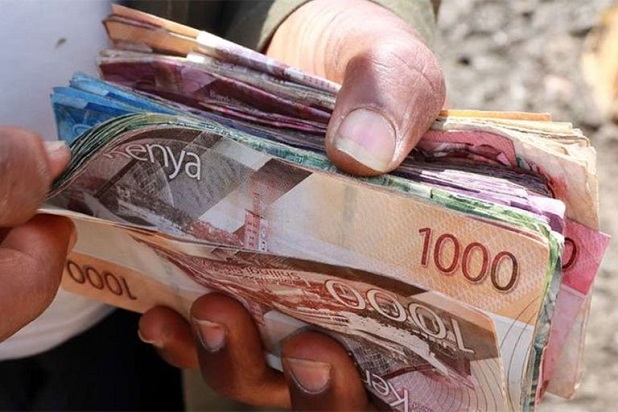

Johannesburg – The economy of Kenya continues to demonstrate relative resilience amid tighter global financial conditions, supported by a diversified services-led economy, expanding digital industries and improving macroeconomic stability.

AfricaHeadline Reports Team
editorial@dw-demosnewstaion.online
Real GDP growth is forecast at around 5.0% in 2025, positioning Kenya among the fastest-growing economies in Sub-Saharan Africa. Economic expansion continues to be supported by agriculture, financial services, transport, telecommunications, tourism and digital commerce.
Consumer price inflation, which previously surged above 9% during the global commodity shock cycle, has gradually moderated towards the 5% range following tighter monetary policy measures implemented by the Central Bank of Kenya and improving domestic food supply conditions.
Key macroeconomic indicators reflect a relatively resilient economic structure in Kenya. Real GDP growth is forecast near 5.0% in 2025, while inflation has stabilised close to 5%. Kenya’s services-led economy continues to outperform regional peers, driven by financial services, agriculture, logistics, telecommunications and digital technology. GDP per capita is estimated above US$2,100, supported by a population exceeding 55 million people. Public debt remains elevated at nearly two-thirds of GDP, limiting fiscal flexibility despite ongoing consolidation efforts. Meanwhile, the services sector contributes more than 50% of total economic output, reinforcing Kenya’s position as one of East Africa’s most diversified economies.
Unlike many commodity-dependent African economies, Kenya’s growth remains largely driven by domestic consumption, private sector activity and services rather than hydrocarbons. Financial technology, mobile payments and digital banking ecosystems continue to attract international investor attention, particularly as Nairobi consolidates its role as one of Africa’s leading fintech and innovation hubs.
The Kenyan shilling has also shown signs of relative stabilisation after previous depreciation pressures linked to higher US interest rates, elevated import costs and external financing constraints. Analysts note that exchange-rate stability remains critical for controlling inflation and preserving investor confidence.
Nevertheless, structural risks remain visible. Elevated borrowing costs, climate-related agricultural disruptions, fiscal pressures and global trade uncertainty continue to weigh on medium-term economic stability.
Still, international markets increasingly view Nairobi as one of Africa’s most strategic gateways for regional trade, technology investment and financial integration across East Africa, alongside emerging regional peers such as Tanzania and Ethiopia.
According to recent estimates from the International Monetary Fund, World Bank and African Development Bank, Kenya’s diversified economic structure continues to provide greater resilience than several commodity-dependent peers across the continent.
__
By AfricaHeadline Editorial Desk
Strategic Insight. African Perspective.
© 2026 AfricaHeadline Media Network. All Rights Reserved.
**This material is protected under international copyright and intellectual property laws. No part of this publication may be reproduced, distributed, transmitted or republished in any form or by any means without prior written authorization from AfricaHeadline Media Network.**