A legend beyond the game
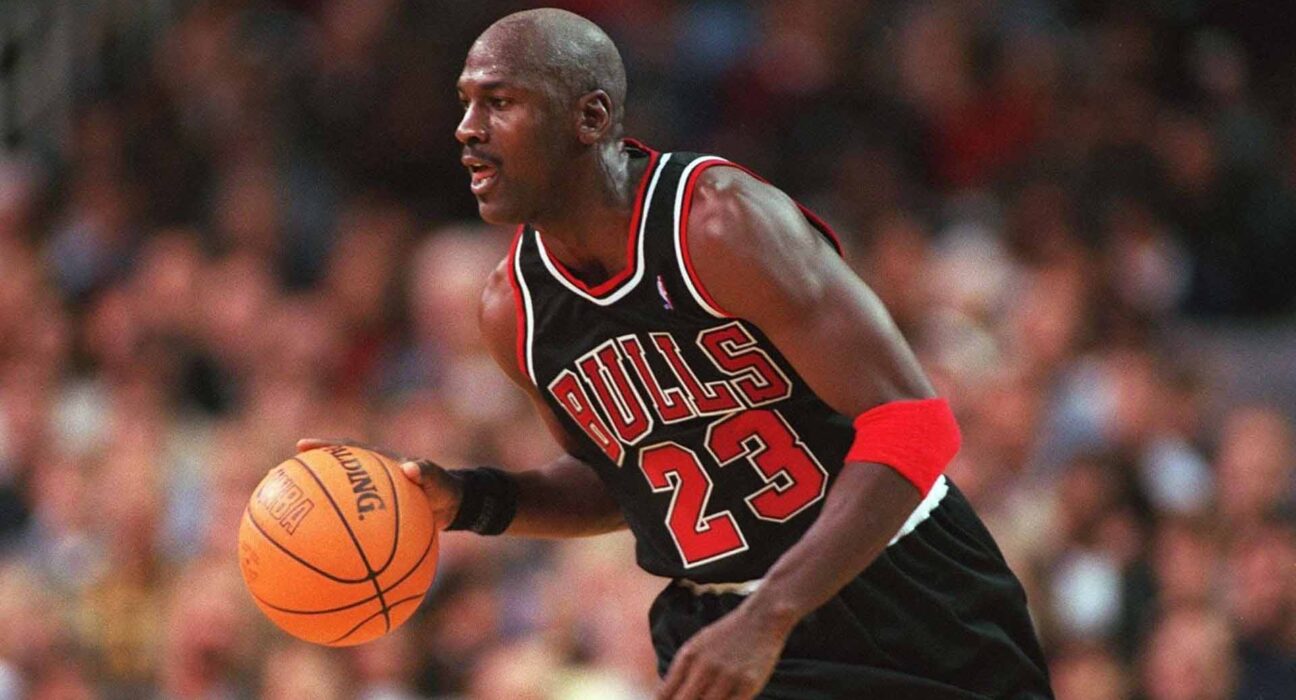
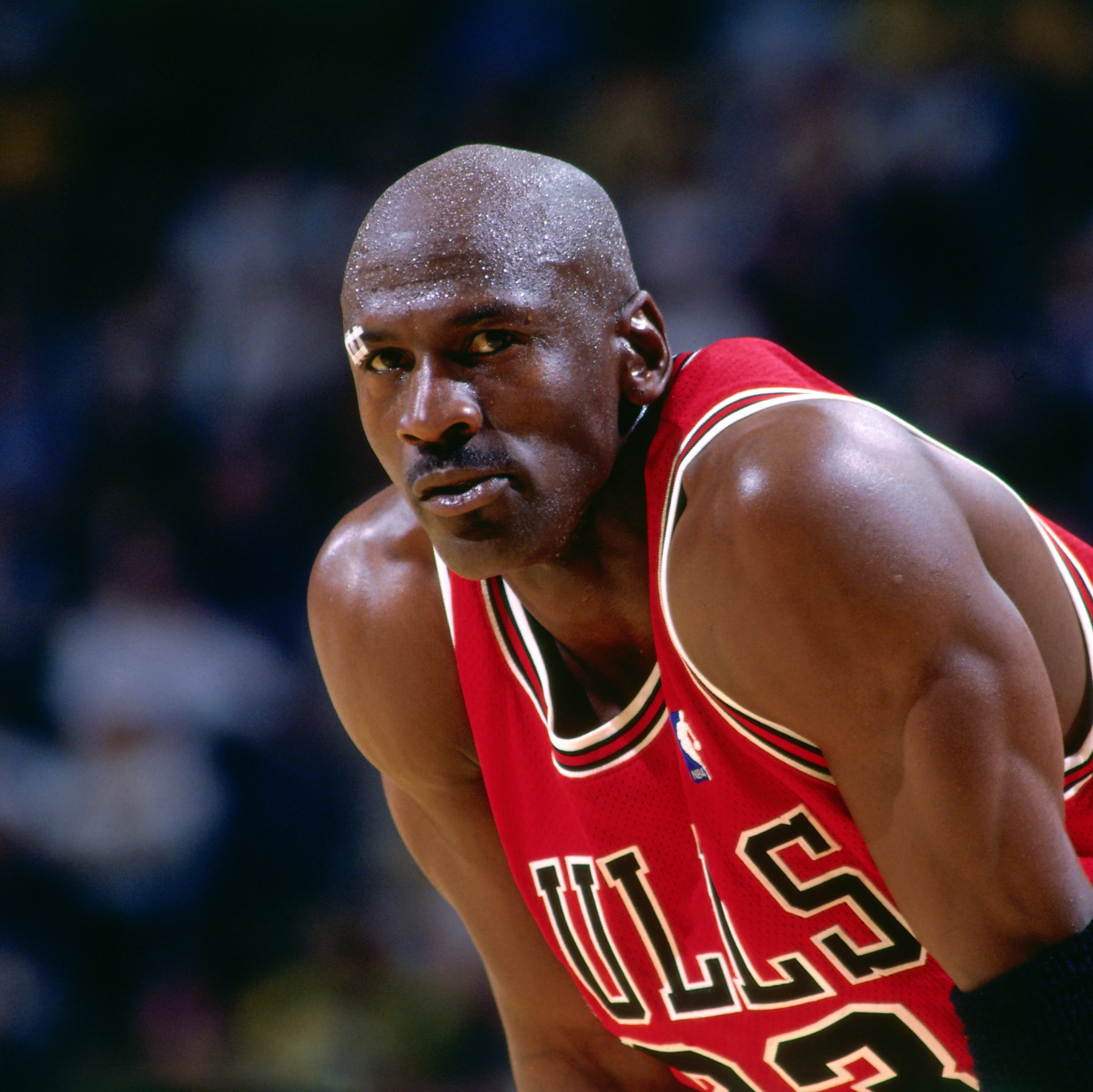
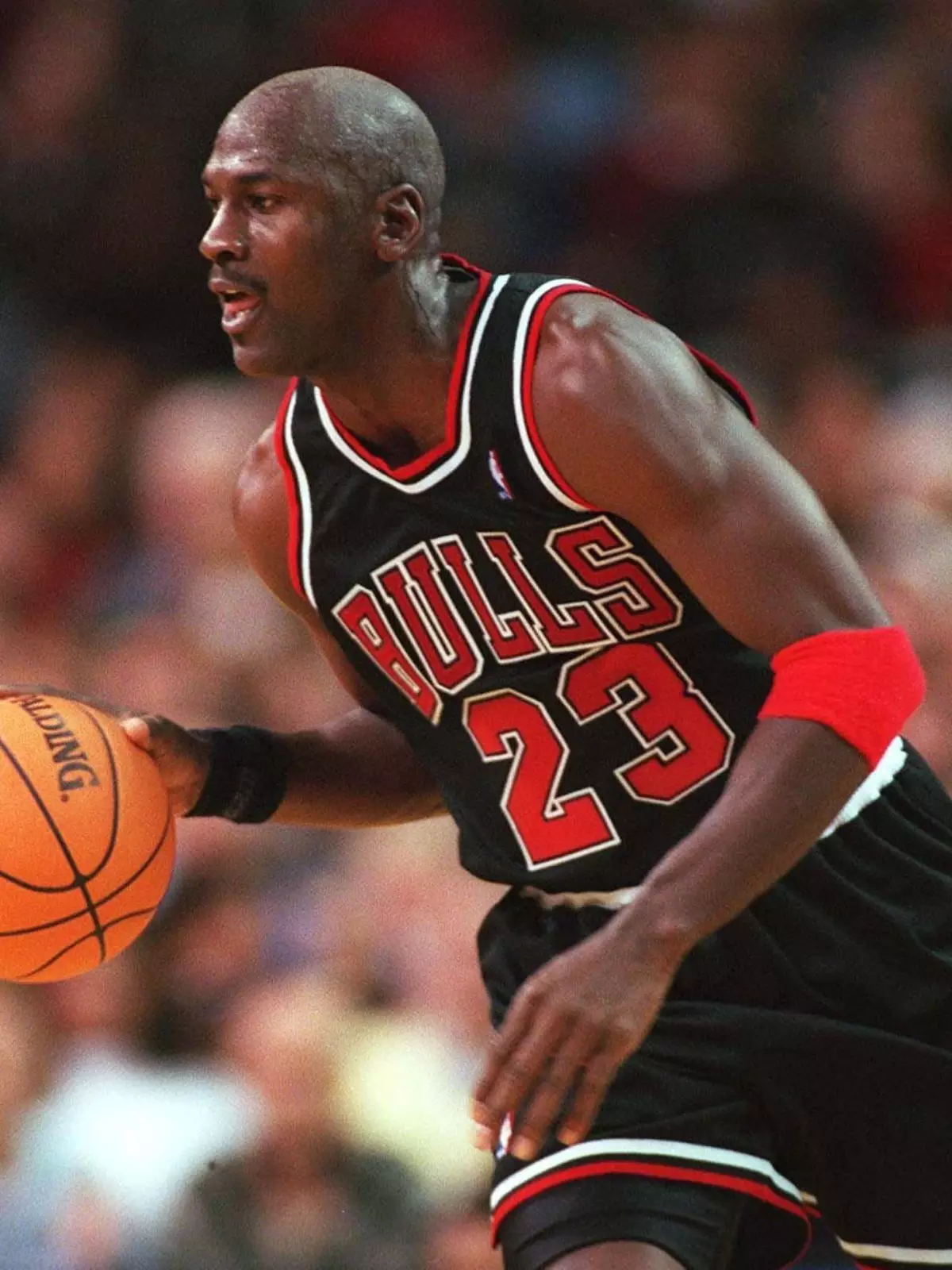
Michael Jordan has not played professional basketball for more than two decades. Yet his presence remains as strong as ever in the global imagination. His silhouette on Nike shoes, murals across major cities, and documentaries that dissect every move of his career keep alive the narrative that Jordan was never just an athlete, he was a cultural phenomenon.

AfricaHeadline Reports Team
editorial@africaheadline.com
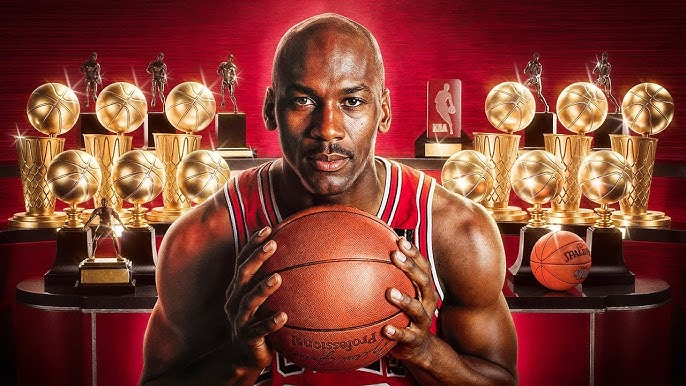
What explains this permanence? Why does an athlete who retired in 2003 still inspire generations that never saw him play live? To understand this phenomenon, we must look beyond statistics. Jordan embodies a universal archetype: the individual who turns rejection into greatness, loss into motivation, and failure into victory.
From early rejection to myth-making
At 15, Jordan was cut from his high school basketball team. The story has become almost as famous as his six NBA titles. That rejection, instead of breaking him, became the fuel for a relentless discipline. He spent countless hours practising alone, repeating shots until they became instinct.
This biographical detail carries symbolic weight. Millions of young people identify with the sense of exclusion, with the feeling of not being good enough. Jordan’s story works as a narrative of resilience: proof that a setback can be the beginning of something far greater.
From a psychological perspective, sporting icons like Jordan serve as social mirrors. They make tangible the possibility of overcoming adversity in contexts where hope often seems scarce.
The invisible impact of philanthropy
Much is said about the fortune tied to the Jordan Brand, now generating more than $5 billion annually. Less visible, but perhaps more impactful, is the way he has channelled wealth into social causes.
In 2016, Jordan donated $2 million to civil rights organisations. Three years later, he funded two medical clinics in Charlotte, providing healthcare access for low-income families. In 2020, at the height of the Black Lives Matter movement, he pledged $100 million over ten years to support education, racial equality and social justice initiatives.
These figures are striking, but their true meaning lies in their outcomes: children receiving treatment, students able to stay in school, communities revitalised. Jordan’s philanthropy is often quiet, absent of spectacle, as if filling gaps left by the weight of his fame.
From Chicago to the world: a global inspiration
Jordan’s cultural impact quickly moved beyond the United States.
In Chicago, young people in disadvantaged neighbourhoods point to him as proof that discipline can offer a way out of crime and poverty. In São Paulo, community projects use his videos to teach not only basketball technique but also teamwork and persistence. In Luanda, Angola, grassroots coaches cite Jordan as a model for children playing on makeshift courts with worn-out balls.
In Nairobi, colourful murals of the former player serve as symbols of hope and cultural resistance. For these communities, Jordan is not a distant superstar; he represents the possibility of turning adversity into achievement.
The archetype of the modern hero
Comparisons with other global figures are inevitable. Pelé in football and Muhammad Ali in boxing also transcended sport to become cultural icons. Jordan follows a similar path, but with one crucial difference: he rose to prominence during the era of global media and sports marketing.
The 1990s saw the rapid expansion of cable television and international advertising. Jordan was the perfect face for that moment, charismatic, victorious and visually captivating. He did not just play basketball well; he seemed to embody a cinematic narrative of constant triumph.
This construction fuelled a myth that endures today. Yet, unlike Ali, Jordan rarely engaged directly in political debate. His contribution was quieter, expressed through philanthropy and example. That paradox, distant in words but present in deeds — has helped preserve his aura.
Why his story resonates in Africa
In Africa, Jordan’s story carries an even deeper resonance. On a continent where millions of young people face exclusion, lack of opportunities and structural inequality, his narrative of resilience strikes a powerful chord.
Seeing a Black man, from modest origins, rise to become the greatest of his generation is more than inspiration, it is resistance. Coaches in Luanda and Lagos use Jordan’s example not only to teach basketball but to instil discipline, hope and self-belief.
Jordan thus becomes a metaphor for Africa’s own potential: proof that, despite obstacles, greatness can emerge from the margins.
A legacy that endures
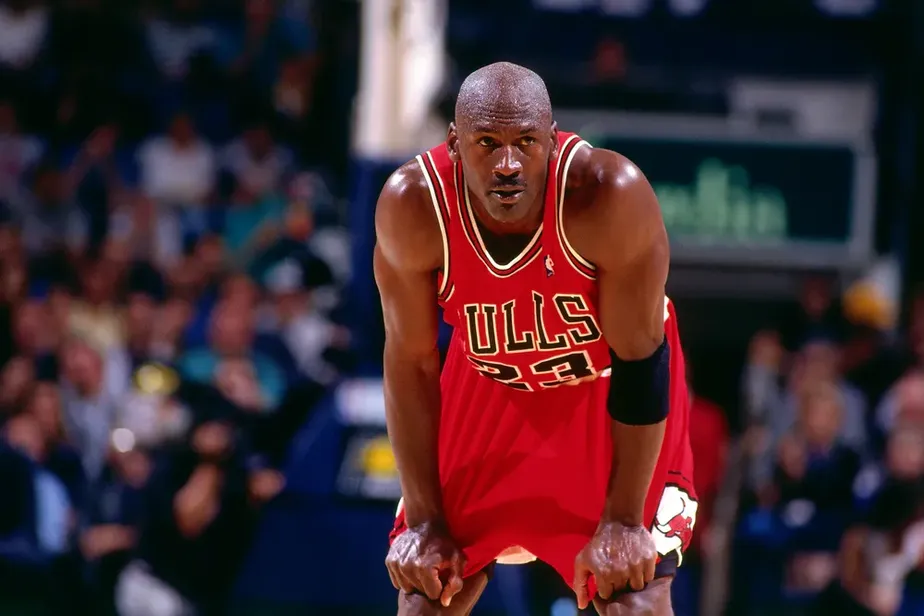
Jordan retired in 2003. Since then, new stars have risen in the NBA: LeBron James, Kobe Bryant, Stephen Curry. All recognise his influence. None have eclipsed his shadow.
Why does his story endure? Part of the answer lies in how Jordan symbolises the transformation of failure into greatness. Another part lies in his philanthropy, often hidden but profoundly impactful. And finally, in the cultural dimension: Jordan represents the collective memory of an era when sport became a universal language.
A piece of Jordan in every generation
More than titles and statistics, what remains is the message that setbacks can be overcome, that hard work creates opportunity, and that inspiration can arise from a life marked by struggle.
Jordan has become archetype, myth, and metaphor. For some, he represents discipline; for others, style; and for many, survival.
Michael Jordan no longer flies through the air, but his story continues to teach that, even when gravity feels inescapable, resilience can give us wings.