ABUJA | 13 June 2025 – AfricaHeadline
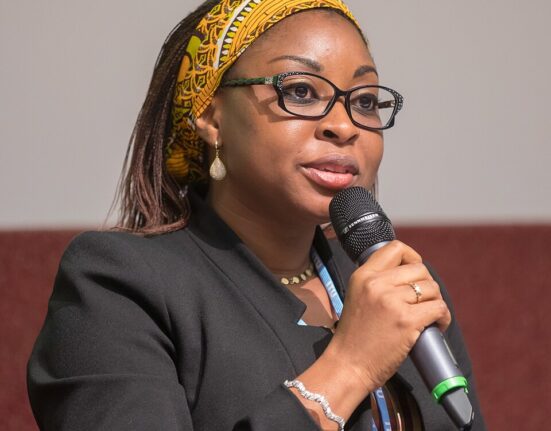
In a candid and far-reaching interview, Tega, the Senior Special Assistant to the President of Nigeria on New Media, offered a robust defence of the Tinubu administration’s record over the past two years, highlighting key achievements, confronting public discontent, and outlining a long-term vision for national revival.

AfricaHeadline Reports Team
editorial@africaheadline.com
Speaking on the sidelines of the APC National Summit, Tega reflected on the tough decisions made by the government and urged Nigerians to see past the short-term sacrifices toward a foundation of sustainable growth and national security.
The APC National Summit, held in Abuja, was an opportunity for the ruling party to showcase sectoral gains made since President Bola Ahmed Tinubu assumed office in 2023. According to Tega, the government has delivered on key pillars of its Renewed Hope Agenda—removal of fuel subsidies, economic realignment, security sector reform, and infrastructure expansion.
Nigeria’s economy shows first signs of relief.
“We are seeing the results. It’s not always popular, but real reform never is,” Tega stated.
He explained that removing fuel subsidies, long seen as a political taboo, was an economic imperative. Subsidies cost Nigeria over ₦4.4 trillion annually, creating distortions, leakages and fueling corruption. Funds previously spent on subsidies are now being redirected toward road construction, energy infrastructure, education, and debt service, enhancing fiscal credibility.
While security remains a contentious issue, Tega insisted that clear improvements are visible. He cited a 35% year-on-year decline in kidnappings, as well as a drop in coordinated terrorist attacks in parts of the North-East and Middle Belt.
“The investments in military hardware and the training of new personnel are bearing fruit. We’ve acquired drones, armored vehicles, and enhanced communications for our forces. It’s not perfect, but it’s progress.”
He acknowledged ongoing challenges—banditry in the North-West, oil theft in the Delta, and urban criminality—but stressed that security operations are now more coordinated across agencies.
In response to allegations of collusion between politicians and insurgents, Tega was unequivocal: “We reject those claims. While bad actors exist, the Nigerian Armed Forces have paid the ultimate price to keep this nation together. Their sacrifices must be respected.”
Tega admitted that economic hardship has worsened for many citizens, especially in the aftermath of subsidy removal and naira realignment. However, he framed these as necessary pains in the journey to break from a dependency economy.
“You can’t build a sustainable nation on debt, handouts, and fake pricing. We are cleaning the system and laying the blocks for real growth.”
The government’s data-driven approach was also emphasised. Policy is now informed by real-time metrics, macroeconomic dashboards, and regional performance indicators—part of a broader push to shift from political patronage to performance-based governance.
Growth sectors include agriculture, digital economy, and infrastructure, with increased credit to SMEs and renewed support for foreign investors. Nigeria’s GDP is projected to grow by 3.6% in 2025, driven by non-oil revenues, tax reform, and public investment in transport corridors.
A major portion of the interview focused on the government’s evolving social protection strategy. Tega revealed efforts to clean up and digitize the National Social Register, integrating it with NIN (National Identification Number)databases to prevent fraud and ensure targeted disbursement.
The government is relaunching Conditional Cash Transfers to reach 15 million households, backed by digital wallets and mobile payments, ensuring transparency and efficiency.
“We’re not just reforming for elites. The vulnerable are at the center of this agenda,” Tega said.
Tega acknowledged growing public scepticism and the role of misinformation in shaping negative sentiment. He challenged the media to engage in more responsible journalism, stating that poor communication has left many Nigerians unaware of the reforms’ objectives and benefits.
“We need the media as partners, not just critics. People need facts, not fear.”
He noted the government’s willingness to listen, recalibrate policies, and incorporate feedback—citing examples where adjustments were made to food imports, tax waivers, and minimum wage proposals.
Tega closed the interview with a message of cautious optimism. Nigeria, he said, is in a “delicate but promising transition”, and requires patience, vigilance, and shared responsibility.
“No single administration can fix decades of rot in two years. But we have made the hard choices. Now we need unity—to consolidate the gains and protect the progress.”
The interview offers a nuanced lens into the post-reform Nigeria: a country wrestling with hardship, but also awakening to new possibilities—if the path is protected, communicated, and sustained.
Written by: AfricaHeadline Politics & Governance Desk