Africa’s strongest currencies owe more to exchange controls than economic heft
- Business and NetworkingEconomic Outlook
- July 6, 2026
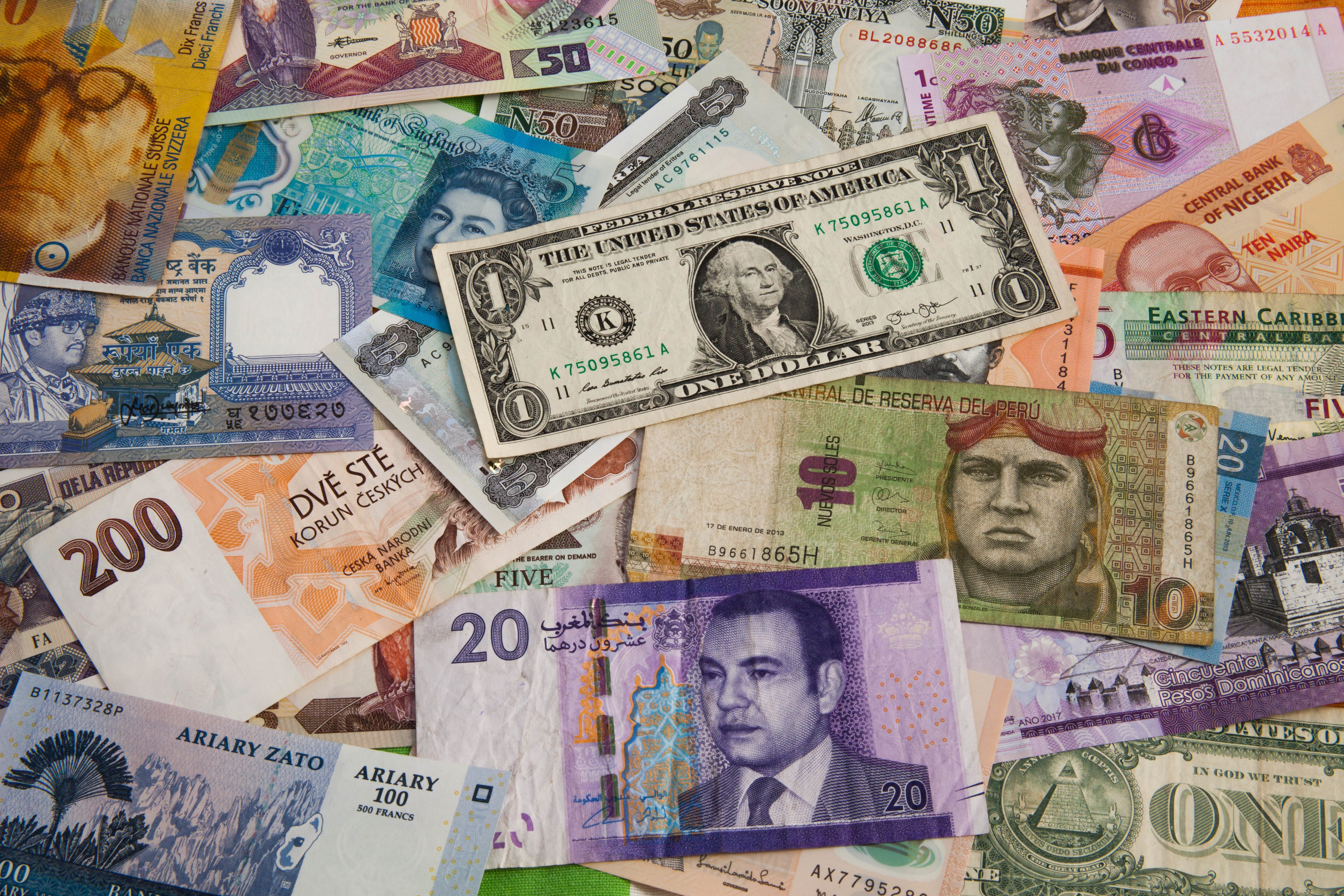

JOHANNESBURG – Africa’s strongest currencies in 2026 are not necessarily backed by the continent’s largest economies. Instead, they reflect a mix of exchange-rate management, commodity export earnings and, in some cases, tight capital controls.
The Tunisian dinar remains Africa’s highest-valued currency, trading at roughly TND2.95 to the US dollar in late June. It is followed by the Libyan dinar at about LYD6.4/$, the Moroccan dirham at MAD9.4/$, the Ghanaian cedi at roughly GHS11.2/$, and the Botswana pula at about BWP14.1/$.
The ranking says less about economic scale than about the mechanics of currency management. Tunisia’s dinar has long been supported by a tightly managed foreign-exchange regime and restrictions on convertibility, helping preserve its nominal value even as the country grapples with weak growth and fiscal strain. Libya’s dinar, meanwhile, is underpinned by hydrocarbons: oil still accounts for more than 90 per cent of export revenue, giving the central bank a hard-currency buffer despite years of political fragmentation.
Morocco offers a different model, Its dirham benefits from a more diversified economy, with tourism, phosphates, agriculture and a growing automotive manufacturing base supporting foreign-exchange inflows. Ghana’s cedi, by contrast, is a recovery story. After being one of the world’s worst-performing currencies in 2022, it has stabilised under an IMF-backed reform programme, tighter monetary policy and stronger export receipts from gold and cocoa. Botswana’s pula rounds out the top five, helped by one of sub-Saharan Africa’s more conservative fiscal frameworks and steady diamond revenues.
The broader lesson is that a “strong” African currency is often a technical outcome rather than a verdict on prosperity. In nominal terms, the dinar may outrank the rand or the naira. In economic weight, trade depth and market liquidity, the reverse is often true.