Ghana edges Ethiopia in Africa’s projected 2026 GDP ranking
- Uncategorized
- October 19, 2026
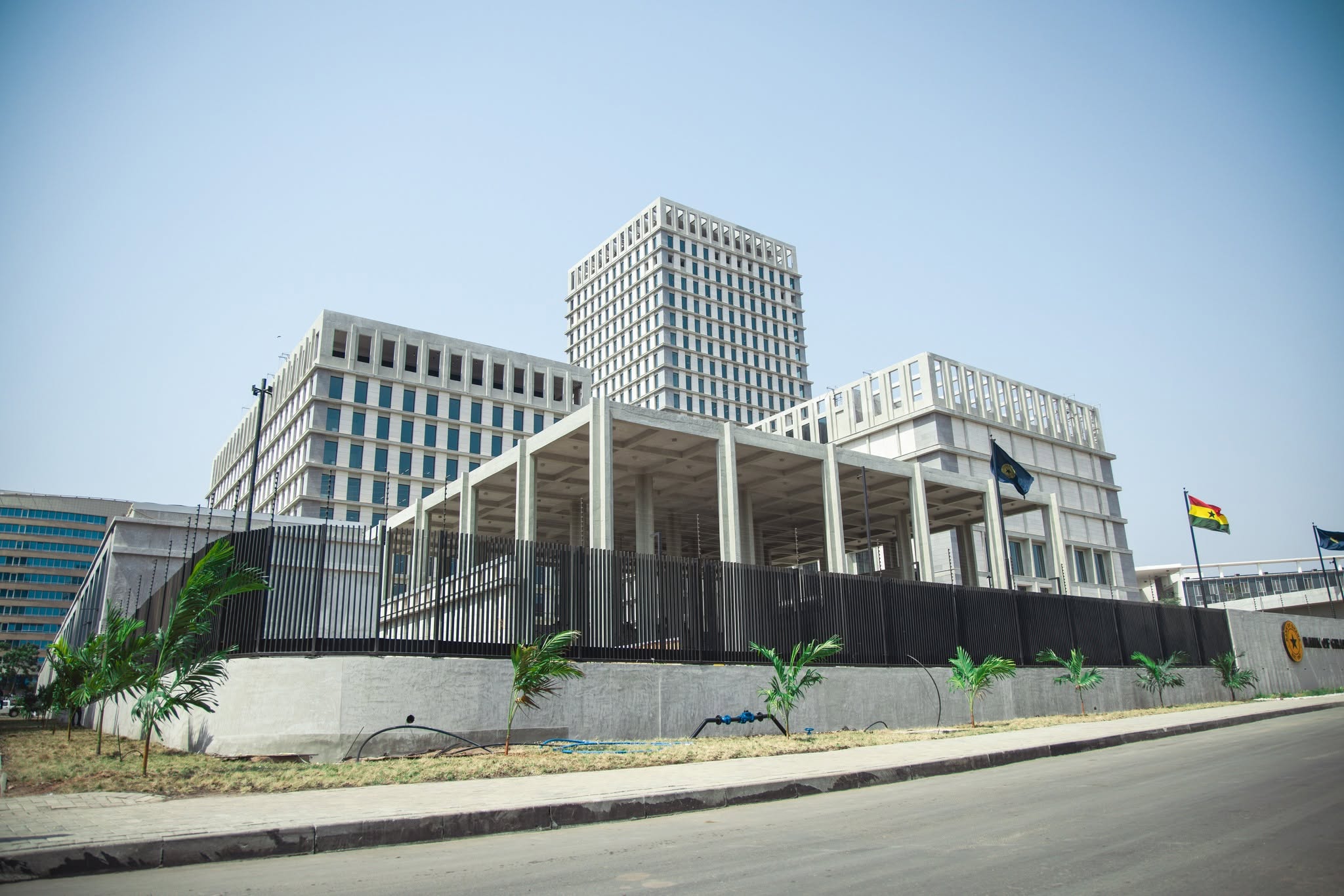

IMF estimates put Ghana eighth by nominal output, but the narrow gap highlights how exchange rates and revisions can reshape the dollar-based table.
JOHANNESBURG — Ghana is projected to overtake Ethiopia as Africa’s eighth-largest economy in 2026, with nominal gross domestic product of US$128.6bn against Ethiopia’s US$127.1bn, according to figures drawn from the International Monetary Fund’s October World Economic Outlook. The projected difference, about US$1.5bn, is small enough that currency movements or revisions could change the order.
South Africa is forecast to remain the continent’s largest economy at US$489.1bn, followed by Egypt at US$442.9bn and Nigeria at US$386.7bn. Algeria and Morocco complete the top five.
Angola, at US$157.3bn, is projected to rank sixth, ahead of Kenya at US$151.2bn. The Democratic Republic of the Congo rounds out the top ten at US$122.3bn.
The ranking measures output at current prices converted into US dollars. It is therefore a gauge of economic scale, not a direct measure of living standards, productivity or investment returns. Exchange-rate shifts can change a country’s dollar GDP even when domestic production has moved less sharply.
Growth projections point to a different order of momentum. Ethiopia is forecast to expand by 9.2 per cent in real terms in 2026, compared with 5.7 per cent for Ghana and about 1 per cent for South Africa, according to the IMF’s October projections. That contrast suggests Ethiopia’s faster growth could narrow or reverse Ghana’s projected lead over time, though growth rates alone do not determine the ranking.
Investors will also be watching inflation, public finances and external balances. Ghana’s recovery has coincided with fiscal consolidation and debt restructuring, while its currency and export receipts remain relevant to the dollar value of output. Across the region, the IMF has warned that external shocks and limited fiscal buffers leave economies exposed, even as growth holds up.
The broader outlook is one of concentrated economic scale at the top and close competition below it. South Africa, Egypt and Nigeria remain far ahead by nominal GDP, while the Ghana–Ethiopia comparison shows how quickly positions further down the table can shift.
Whether Ghana’s projected rise endures will depend less on a single-year ranking than on sustained growth, currency stability and stronger fiscal and external resilience.