Ethiopia and Somalia reach agreement on port dispute
- EthiopiaSomaliaWorld
- December 13, 2024
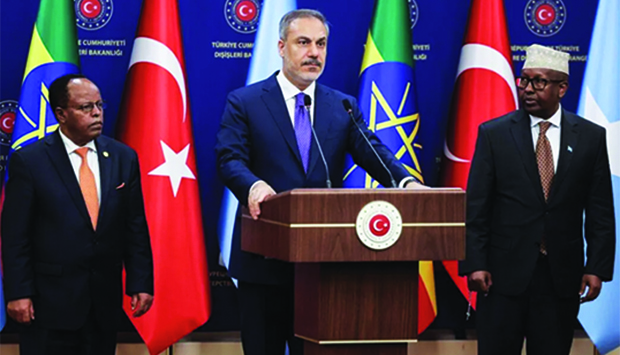

Lagos, Nigeria – Ethiopia and Somalia have agreed to resolve their dispute over Addis Ababa’s plans to construct a port in the breakaway region of Somaliland. The agreement was reached after negotiations mediated by Turkey, with President Recep Tayyip Erdogan hailing it as a “historic deal.” According to Erdogan, the agreement paves the way for Ethiopia to secure access to the sea, a long-standing ambition for the landlocked nation.

AfricaHeadline, reports team
editorial@dw-demosnewstaion.online
The disagreement began in January when Ethiopia signed a maritime agreement with Somaliland, a region Somalia considers part of its territory. The deal sparked concerns of a broader regional conflict, particularly as Egypt has backed Somalia, partly due to its ongoing dispute with Ethiopia over the Grand Ethiopian Renaissance Dam on the Nile River.
Somaliland, which declared independence from Somalia over 30 years ago, has long sought international recognition. However, Mogadishu denounced the maritime deal as an “act of aggression,” further escalating tensions.
In a joint statement issued in Ankara, the Horn of Africa neighbors committed to reconvening in February for technical negotiations. In the meantime, both sides have agreed to work on “mutually beneficial trade agreements” to ensure Ethiopia’s access to the sea under Somali sovereignty.
It remains unclear whether Ethiopia has abandoned its agreement with Somaliland, a key demand from Somalia in earlier mediation efforts. Last month, Somaliland elected a new president, Abdirahman Mohamed Abdullahi, a former opposition leader who has pledged to “review” the maritime deal.
Located in a strategic area near the Gulf of Aden and the Red Sea, Somaliland is regarded as a gateway to critical global shipping routes. Observers note that while the agreement between Ethiopia and Somalia is a positive step toward regional stability, much will depend on the upcoming negotiations and the ability of both nations to reconcile their competing interests.