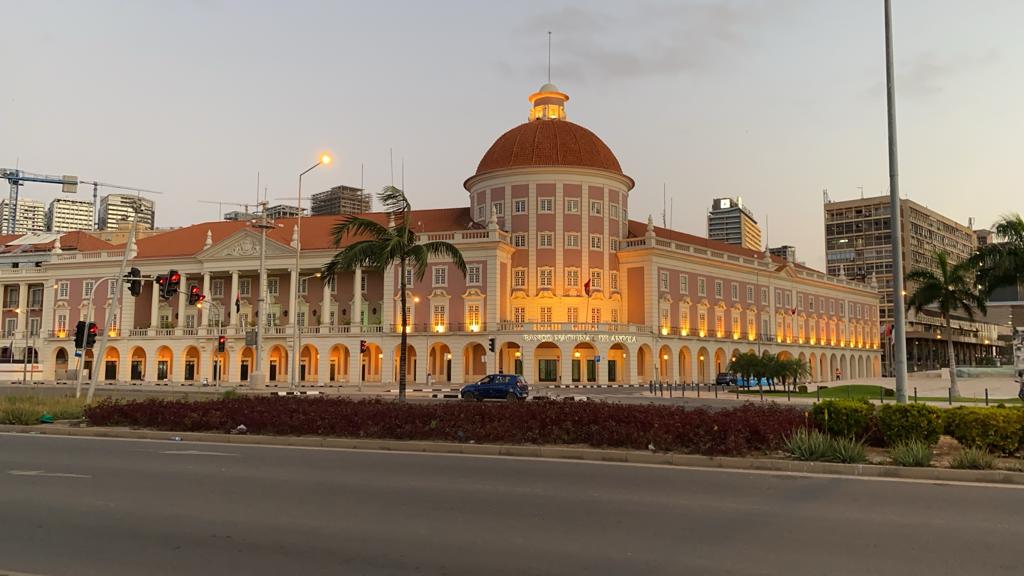
Angola’s banking industry looks to 2031 as financial leaders gather in Luanda for national conference
- Economic
- June 9, 2026

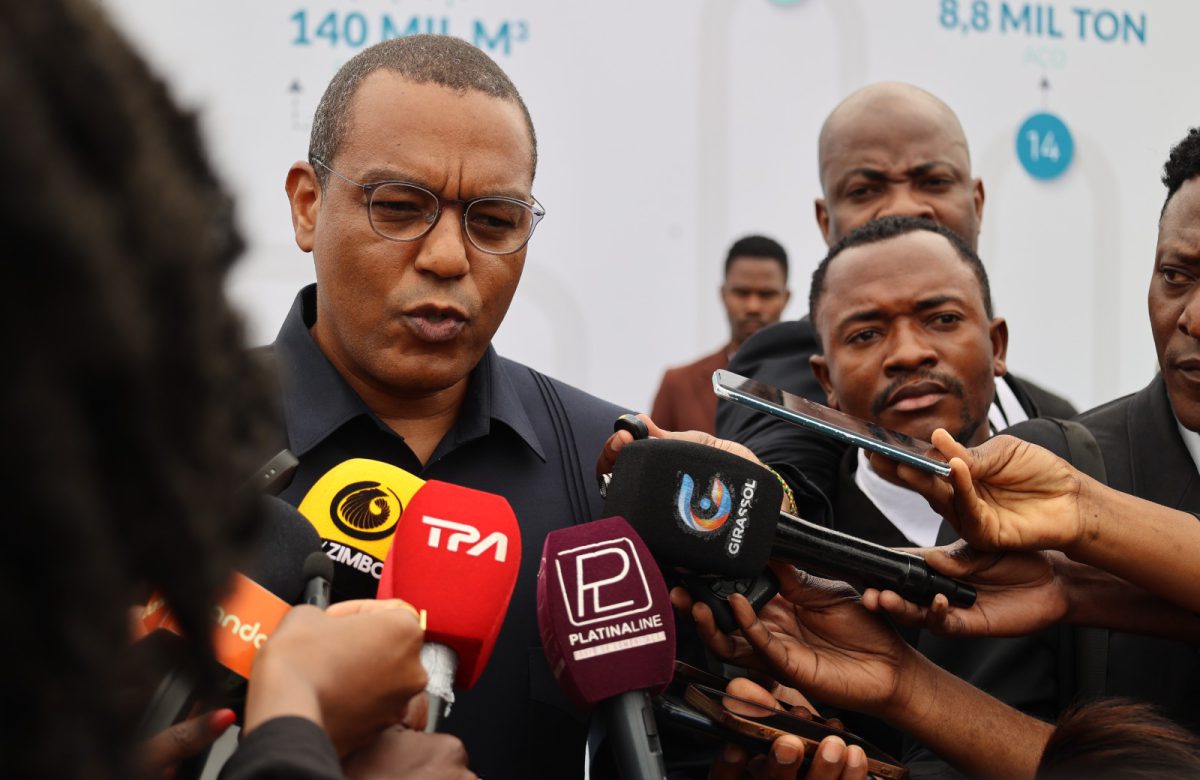
africaheadline to deliver comprehensive coverage of Angola’s premier banking forum
Johannesburg — As Africa’s financial industry enters a new era defined by digital transformation, artificial intelligence and regulatory reform, Angola’s banking leaders are set to convene in Luanda for the Second National Conference on Banking and Challenges, a high-level forum expected to shape discussions around the future of the country’s financial sector through 2031.
Held under the theme “Angolan Banking 2026–2031: Regulation, Innovation and Sustainability in a Digital World,”the conference will bring together chief executives, board chairpersons, regulators, insurance executives, technology specialists, economists and financial analysts to examine the opportunities and risks facing one of Southern Africa’s most important banking markets.
The event comes at a pivotal moment for Angola’s economy. Following years of macroeconomic reforms, fiscal consolidation and financial sector restructuring, the country is increasingly focused on modernising its banking ecosystem, expanding financial inclusion and accelerating the adoption of digital financial services.
For industry leaders, the challenge is no longer simply about expanding branch networks or increasing deposits. The next phase of growth will depend on technological innovation, operational efficiency, cybersecurity resilience and the ability to finance economic diversification beyond the oil sector.
A sector undergoing structural change
Across Africa, traditional banking models are being challenged by fintech companies, mobile payment platforms and rapidly evolving consumer expectations. Angola is no exception.
The expansion of digital payments, mobile banking applications and electronic transaction systems has transformed the relationship between financial institutions and their customers. Banks are increasingly investing in technology infrastructure to improve customer experience, reduce operating costs and strengthen competitiveness.
At the same time, regulators face the delicate task of encouraging innovation while maintaining financial stability and safeguarding consumers.
The conference is expected to explore how Angola can balance these priorities while positioning itself as a modern financial hub within the Southern African region.
Regulation, risk and investor confidence
One of the key themes likely to dominate discussions is the evolving regulatory landscape.
Financial institutions across emerging markets are facing growing pressure to strengthen compliance frameworks, improve anti-money laundering controls, enhance governance standards and reinforce risk management systems.
For Angola, continued progress in these areas remains essential to attracting foreign investment and deepening integration into international financial markets.
Industry participants are expected to assess how regulatory reforms can support sustainable growth while maintaining confidence among investors, development finance institutions and international partners.
The rise of digital finance
Artificial intelligence, machine learning and data-driven financial services are rapidly becoming central to banking strategies worldwide.
From fraud detection and credit assessment to customer service and operational efficiency, new technologies are reshaping the economics of banking.
Meanwhile, fintech companies are introducing innovative solutions that challenge traditional institutions to move faster, innovate more aggressively and deliver services that are accessible, affordable and secure.
The experience of markets such as Kenya, South Africa, Nigeria and Morocco demonstrates that digital innovation can become a powerful driver of financial inclusion and economic development when supported by effective regulation and strong infrastructure.
For Angola, the coming decade could determine whether the country becomes a leader in digital finance or remains a follower in a highly competitive regional landscape.
Financing Angola’s economic transformation
Beyond technology, banking leaders will also examine the sector’s role in supporting Angola’s broader economic ambitions.
Access to finance remains one of the most significant challenges facing small and medium-sized enterprises, agricultural producers, manufacturers and emerging entrepreneurs.
As the government continues to promote economic diversification, financial institutions are expected to play a critical role in mobilising capital, supporting productive sectors and facilitating investment across the economy.
The ability of banks to finance growth while maintaining healthy balance sheets will be a defining factor in Angola’s long-term development trajectory.
Industry leaders take centre stage
The conference will feature a distinguished lineup of banking executives, regulators, economists, insurance professionals and technology experts representing some of Angola’s most influential financial institutions.
Their discussions are expected to generate valuable insights into the future of banking, digital transformation, financial inclusion, sustainability and the evolving relationship between finance and technology.
For policymakers, investors and business leaders, the event provides a rare opportunity to engage directly with the individuals helping to shape the future direction of Angola’s financial system.
AfricaHeadline launches special coverage operation
Recognising the strategic significance of the conference for Angola and the wider African financial community, AfricaHeadline will deploy a dedicated editorial team to provide comprehensive coverage throughout the event.
Coverage will include breaking news reports, exclusive interviews, market analysis, executive insights, multimedia features and in-depth reporting on the most consequential discussions emerging from the conference.
The publication’s coverage strategy reflects its commitment to delivering high-quality business journalism focused on Africa’s economic transformation, investment landscape and emerging opportunities.
As financial systems across the continent continue to evolve, the debates taking place in Luanda are likely to resonate far beyond Angola’s borders.
For AfricaHeadline, documenting these conversations is more than event coverage. It is an opportunity to capture a defining chapter in the evolution of Angola’s banking industry and to provide readers with a deeper understanding of the forces shaping the future of finance in Africa.
With regulation, innovation and sustainability now at the centre of the global financial agenda, the conference is expected to offer a valuable glimpse into how Angola’s banking sector intends to navigate the opportunities and challenges of the decade ahead.
—
AfricaHeadline Financial Intelligence Desk
Special Coverage: Angola Banking Conference 2026
Luanda, Angola
© 2026 AfricaHeadline Media Group. All Rights Reserved.
Independent Reporting on Business, Finance, Investment and Economic Development Across Africa.