Africa’s most relevant economic storytellers
- AngolaIn a NutshellSAUTI
- July 14, 2026


Nthabi NEO Lesufi – Media Operations Manager
Nthabi.Lesufi@dw-demosnewstaion.online
JOHANNESBURG – Fifty of Africa’s leading journalists, editors, broadcasters and digital creators will spend the coming weeks doing something increasingly rare in economic coverage of the continent, seeing for themselves.
The LIKE ANGOLA Economic Roadshow is betting that the most credible economic stories are the ones reporters witness first-hand, not the ones relayed through press releases and official statistics.
Billed as an Economic Diplomacy and Media Verification Mission, the initiative sends delegates to 15 flagship production sites across Angola over the course of the tour, with a mandate to go beyond the country’s oil-dominated image.
Instead of briefings in conference rooms, journalists will question government officials, investors, entrepreneurs, manufacturers, farmers and innovators directly, on location. The instruction to participants is blunt: verify, question, observe, report, from the source, not the podium.
The premise is that media access, done right, is a form of economic diplomacy, by opening up its productive sectors to outside scrutiny, Angola is wagering that unfiltered reporting will do more for its investment case than curated statements ever could.
The stories that emerge are expected to cover the breadth of the country’s diversification push: industrial capacity, agricultural development, tourism, infrastructure and the early stages of an innovation economy.
Organizers are at pains to distinguish the trip from a standard press junket, they describe it instead as a continental verification exercise, an attempt to build trust and transparency around Angola’s economic narrative at a moment when investors and policymakers across Africa are hungry for reporting they can act on.
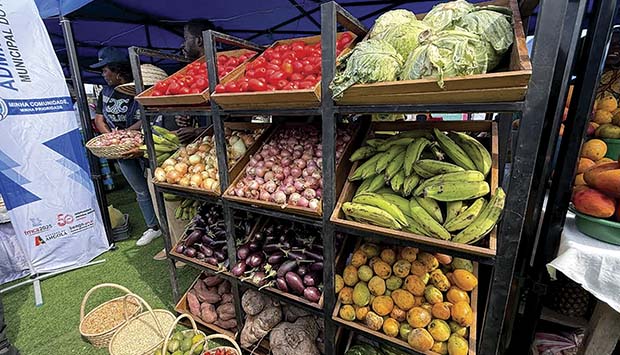
Each of the 50 participants effectively becomes an independent witness, producing content with the potential to reach millions of investors, entrepreneurs and decision-makers across the continent.
The timing reflects a broader shift in how Africa’s economic story gets told, as the continent pushes to author its own development narrative rather than have it written elsewhere, initiatives like this one test whether journalism can serve as connective tissue between governments, markets and the public, provided the reporting stays factual and independent.
AfricaHeadline is supporting the mission, linking the continent’s most influential economic journalists to what organizers call one of Africa’s most consequential economic transformation stories. The aim, they say, is straightforward: to have the next chapter of Angola’s economic story told through evidence, direct experience and trusted African voices, rather than through Angola’s own telling of it.