Angola’s inflation nears single digits, but households are still waiting for relief
- Economic
- July 10, 2026
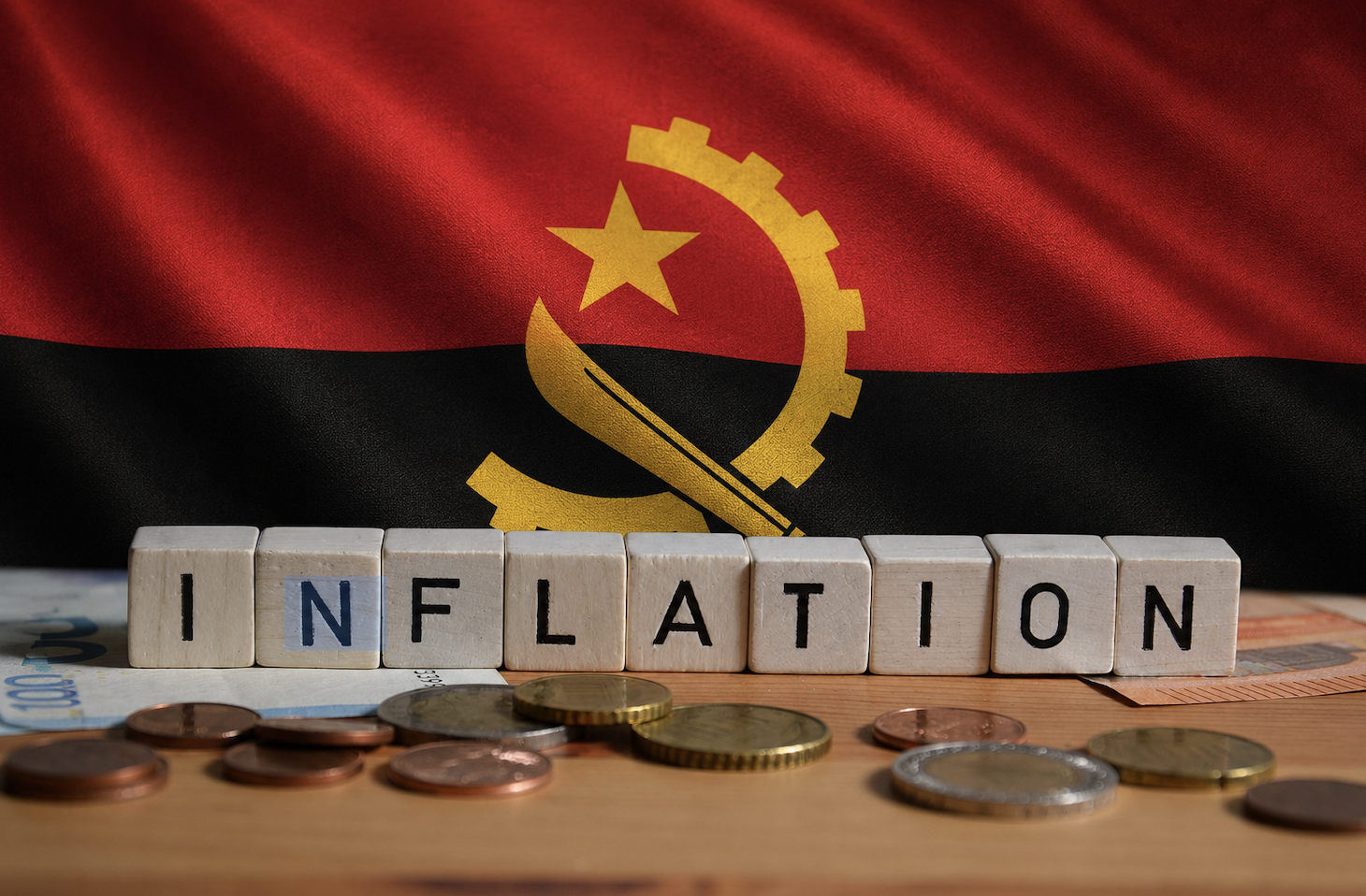

Price growth slowed for a 23rd consecutive month in June, giving the central bank room to ease monetary policy. Food costs and currency risks still argue for caution.
LAGOS – Angola’s inflation rate is edging towards single digits, marking a significant turn for an economy long accustomed to steep increases in the cost of living.
The national consumer price index rose 10.11 per cent in June from a year earlier, down from 10.88 per cent in May, according to the National Statistics Institute. Annual inflation stood at 19.73 per cent in June 2025.
The decline, the 23rd consecutive monthly slowdown, is large enough to change the terms of Angola’s economic debate. The question is no longer simply how to stop prices spiralling, but when, and how cautiously, lower inflation can be converted into cheaper credit and a recovery in purchasing power.
Inflation fell from 19.73 per cent in June 2025 to 15.70 per cent in December, before declining to 12.42 per cent in March and 10.11 per cent at the end of the first half of this year.

But the political meaning of the figures is less straightforward. Disinflation means that prices are rising more slowly; it does not mean that goods have become cheaper.
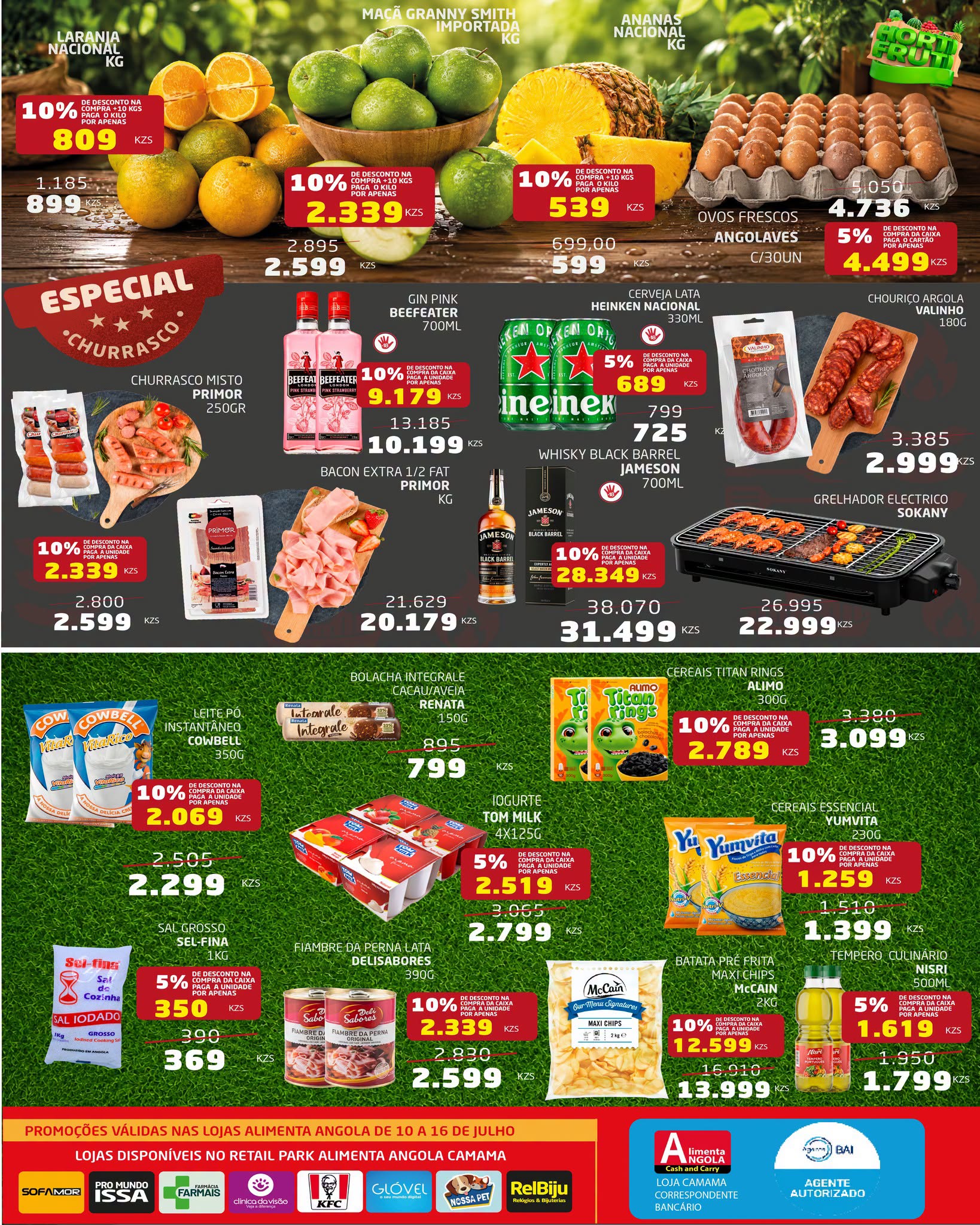
That distinction matters in a country where food absorbs a large share of household income. Food and non-alcoholic beverages remained the biggest source of price pressure in June. Transport, healthcare and other goods and services also contributed to the increase.
For poorer households, the lived experience may therefore remain far removed from the improvement described by the headline index. The shopping basket is still becoming more expensive each month, just less rapidly than before.
The National Bank of Angola has grounds to argue that its strategy is working. The IMF has attributed part of the decline in inflation to tight monetary policy, a stable exchange rate and improved availability of goods.
In May, the central bank lowered its benchmark rate by 50 basis points to 17 per cent, continuing a gradual easing cycle.
With the policy rate now well above annual inflation, policymakers have some room to cut borrowing costs further. Lower rates could ease financing pressures on companies and households, while supporting an economy that remains dependent on oil, but room to move is not the same as permission to rush.
The recent stability of the kwanza has helped contain import costs, it has also produced a real appreciation of the currency, weakening the competitiveness of non-oil businesses.
The IMF estimates that Angola’s current-account balance has narrowed to about 0.4 per cent of gross domestic product amid lower oil exports. A sharp currency correction could quickly feed back into domestic prices.
External risks add to the case for restraint, Angola imports a substantial share of the goods it consumes, leaving inflation exposed to global food prices, shipping costs and the availability of foreign currency.
This vulnerability is structural, high interest rates can suppress demand, but they cannot substitute for domestic farming, storage capacity, transport infrastructure or competition in local markets.
June’s figure is nevertheless an important victory, if the trend holds, annual inflation could fall below 10 per cent in the coming months. That would carry economic as well as symbolic weight, strengthening the central bank’s credibility and improving business expectations.
The decisive test, however, will not be crossing the statistical threshold into single digits, it will be keeping inflation there without placing renewed pressure on the kwanza, and turning nominal stability into tangible gains: food that takes up less of the household budget, more affordable productive credit and incomes that can begin to recover the ground they have lost. Angola is closer to that point, it has not reached it yet.