Rwanda’s miscalculated move: Withdrawal from ECCAS deepens regional isolation
- Central AfricaDemocratic Republic of the Congo (DRC)PoliticsRwanda
- June 12, 2025

Dar es Salaam | June 10, 2025 – AfricaHeadline
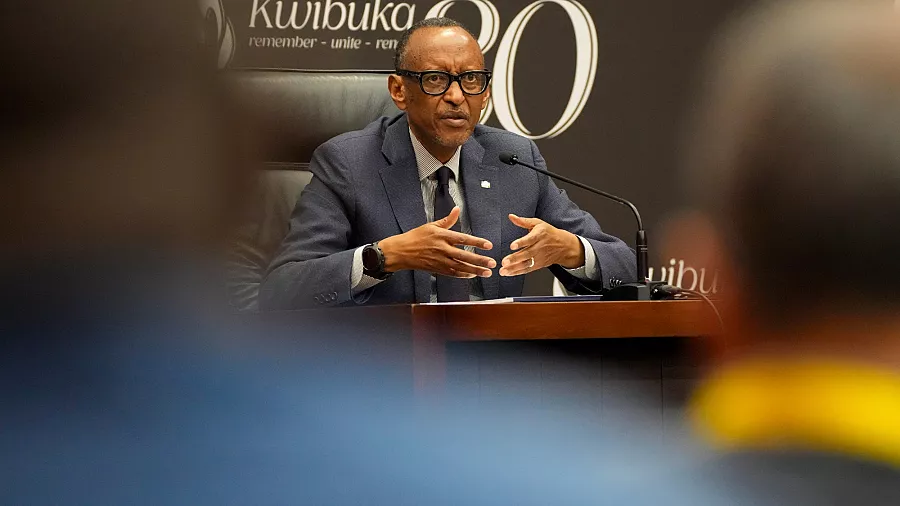
Rwanda’s abrupt decision to withdraw from the Economic Community of Central African States (ECCAS) has sparked concern across the continent, revealing not only a deepening rift with the Democratic Republic of Congo (DRC), but also a diplomatic miscalculation that may cost Kigali its regional influence.

AfricaHeadline Reports Team
editorial@dw-demosnewstaion.online
The fallout occurred after ECCAS leaders, during a high-level summit in Dar es Salaam on June 8, voted to extend Equatorial Guinea’s term as the bloc’s chair, bypassing Rwanda, which had been due to take over under the agreed rotational system. Instead of engaging diplomatically, Rwanda chose to walk away, accusing the bloc of bias, an act many observers say reflects shortsighted diplomacy and an inability to manage regional tension constructively.
“Walking out does not solve a crisis—it creates a new one,” remarked a Central African diplomat. “Rwanda is isolating itself at a time when dialogue is most needed.”
At the heart of the crisis lies the ongoing conflict in eastern DRC, where M23 rebels—believed by UN and U.S. investigators to be backed by Rwanda—have seized swathes of territory, displacing civilians and triggering widespread condemnation.
Instead of addressing the growing accusations with transparency or seeking mediated dialogue, Kigali has remained defensive and combative, dismissing all evidence while doubling down on denial.
According to diplomatic sources, DRC officials informed ECCAS that they would refuse to attend any bloc activities hosted by Kigali, citing security concerns and Rwanda’s credibility deficit.
“It’s not just about M23,” said an ECCAS official. “It’s about trust, and Rwanda has not done enough to earn it.”
While Rwanda has sought to project itself as a technological and diplomatic powerhouse in East Africa, this episode exposes a pattern of confrontational posturing rather than coalition-building.
By abandoning ECCAS, a vital platform for economic cooperation and conflict resolution in Central Africa—Rwanda is undermining its own strategic interests, especially in trade, cross-border infrastructure, and multilateral security efforts.
Analysts warn that the move could backfire, reducing Kigali’s negotiating power and amplifying perceptions of Rwanda as a destabilizing force in the region.
“This is not African leadership,” said Angolan analyst Carla Mulaza. “This is a retreat under pressure, with no plan for re-engagement.”
The global community has grown increasingly vocal about Rwanda’s role in fueling instability in the Great Lakes region. Belgium, Rwanda’s former colonial power, recently joined the United States, the European Union, and several African governments in condemning Rwanda’s support for M23, citing clear intelligence links and humanitarian concerns.
Rather than respond constructively, Kigali has chosen to confront allies, deflect criticism, and withdraw from institutions, further eroding its diplomatic capital.
“Rwanda had an opportunity to show leadership under pressure,” said a European diplomat. “Instead, it chose denial and disengagement.”
Strategic errors and reputational risk
-
Failure of regional diplomacy: Rwanda’s decision shows an unwillingness to engage constructively in regional governance mechanisms.
-
Damaged credibility: Kigali’s perceived support for M23 rebels has cost it trust among neighbours and partners.
-
Isolationist reflex: Walking out of ECCAS removes Rwanda from vital political and economic forums.
-
Lost leadership opportunity: By rejecting the presidency, Rwanda has ceded influence at a critical moment.
Rwanda’s withdrawal may embolden other nations to question ECCAS’s cohesion, but the bigger loss lies with Rwanda itself. Unless Kigali changes course and recommits to diplomatic dialogue, transparency, and accountability, it risks becoming a pariah in its own region—a tragic turn for a country once hailed for its diplomatic sophistication.
“This isn’t just a misstep. It’s a warning signal that Rwanda must rethink its regional strategy,” concludes Congolese political scholar Jean-Baptiste Ilunga.