Mozambique’s economy grows 1.7% as manufacturing slump undermines recovery
- Economic OutlookMozambique
- September 30, 2026
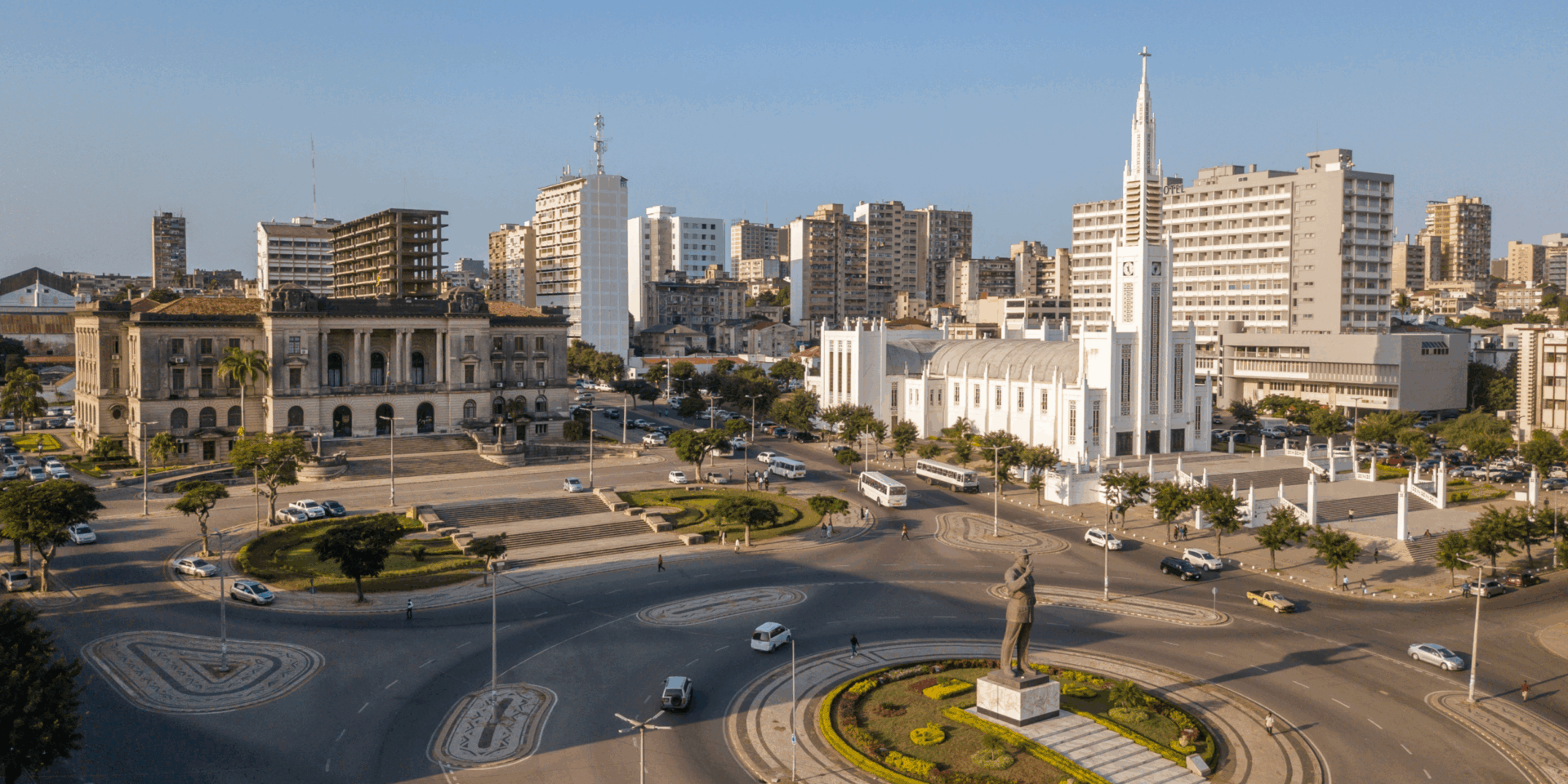

MAPUTO — Mozambique’s economy grew 1.7% year on year in the second quarter of 2026, as services and household consumption supported activity, while a sharp contraction in manufacturing and a steep fall in investment highlighted the fragility of the recovery.
The preliminary figures from Mozambique’s National Statistics Institute, released in August, show a modest improvement from the 0.1% expansion recorded in the first quarter. But the composition of growth points to a recovery still heavily reliant on consumption and services rather than a broad-based expansion in productive capacity.
The services sector was the main driver, expanding 2.5% in the quarter. Hotels and restaurants recorded the strongest growth, at 14.5%, followed by financial services at 4.2%. Trade and repair services grew 1.2%, while transport, storage, information and communications expanded 0.7%.
The primary sector grew 1.8%, supported by agriculture, livestock, forestry and related activities, which expanded 2%. Mining and quarrying grew 1.7%, while fisheries contracted 1.1%.
The sharpest weakness came from the secondary sector, which contracted 6%, manufacturing fell 11.2%, offsetting growth of 7.1% in electricity, gas and water distribution and 0.8% in construction.
The structure of the economy underscores the significance of the decline. Agriculture accounts for 31.6% of GDP, followed by mining and quarrying at 15%. Transport, storage, information and communications represent 8%, while manufacturing accounts for just 5.2%.
The expenditure data provide an even sharper contrast. Final consumption rose 7.9%, with household consumption increasing 8.4% and government consumption 6.5%. Exports increased 5.1%. By contrast, gross capital formation fell 16.5%, reflecting a decline in changes in inventories.
That divergence matters, stronger consumption and exports indicate resilient demand, but the contraction in investment and manufacturing points to constraints on the economy’s ability to expand productive capacity.
For Mozambique, the challenge is therefore not simply to maintain economic growth, but to change its composition.
A recovery driven predominantly by consumption and services can support near-term activity, but sustained expansion will require stronger investment, industrial production and productivity. Manufacturing is particularly important for generating value-added, formal employment and broader economic linkages.
The second-quarter figures leave Mozambique with a mixed picture: growth has returned, but productive investment remains weak and manufacturing is contracting sharply.
The key question for the coming quarters will be whether the economy can convert modest headline growth into a broader expansion in productive capacity, and move beyond a recovery driven primarily by consumption and services.