Ivory Coast announces withdrawal of French troops, marking the end of a historic military presence
- Ivory Coast (Côte d'Ivoire)PoliticsWest AfricaWorld
- January 1, 2025
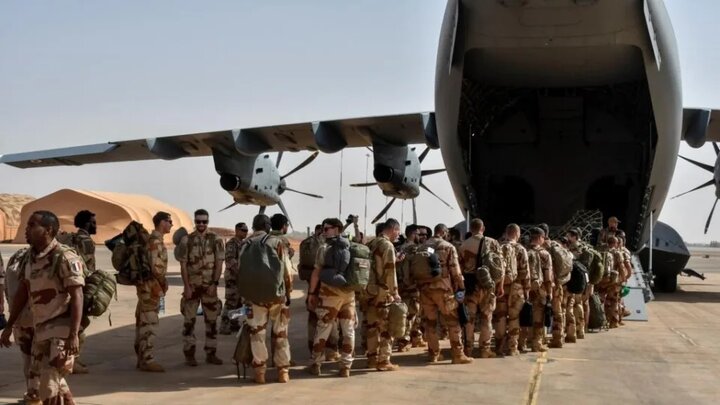

Lagos, Nigeria – Ivory Coast’s President, Alassane Ouattara, has announced the withdrawal of French troops from the country, signalling the conclusion of a decades-long military presence. In his end-of-year address,
President Ouattara confirmed that the process would begin in January 2025, with the Port-Bouët military base set to be handed over to Ivorian forces. “We have decided on a coordinated and organised withdrawal of French forces,” he stated.

AfricaHeadline Reports Team
editorial@dw-demosnewstaion.online
Currently, France has approximately 600 soldiers stationed in Ivory Coast, primarily at the 43rd Marine Infantry Battalion in Port-Bouët, which has served as a strategic hub for operations in West Africa.
This decision aligns with similar actions taken by neighbouring countries such as Mali, Burkina Faso, and Niger, which have also demanded the departure of French forces in recent years.
Additionally, nations traditionally seen as close allies of France, including Senegal and Chad, have recently announced an end to military cooperation with Paris. In Senegal, President Bassirou Diomaye Faye indicated that the withdrawal of French troops would occur in 2025, while in Chad, the process is already underway, with completion expected by the end of January 2025.
These withdrawals reflect a shift in France’s military strategy in Africa, as Paris moves to scale back its permanent presence on the continent. In response, several African countries have sought alternative security partnerships, notably with Russia.
However, these new alliances have coincided with a rise in extremist attacks and civilian casualties in some regions, raising concerns about their effectiveness.
The withdrawal of French forces from Ivory Coast marks a significant moment in Franco-African relations, heralding a new era of sovereignty and self-reliance for West African nations. However, the move also presents challenges in terms of regional security and stability, as these countries take greater responsibility for their own defence while navigating a shifting geopolitical landscape.