Alan Greenspan, former Fed Chairman who shaped global markets, dies at 100
- World
- June 23, 2026
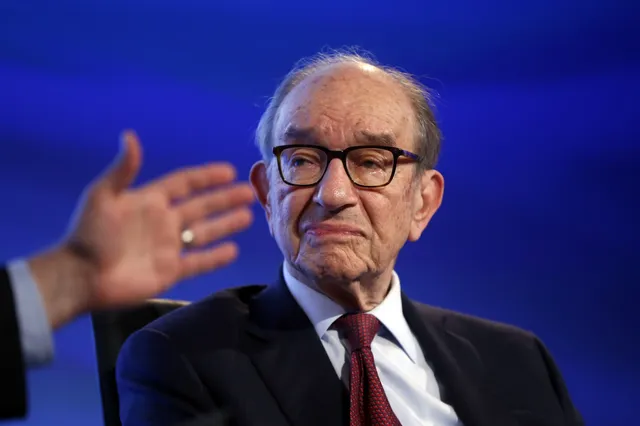

WASHINGTON — Alan Greenspan, the former Federal Reserve chairman whose policies helped shape the global financial system for nearly two decades, has died at the age of 100.
Greenspan led the US central bank from 1987 to 2006, becoming one of the most influential economic policymakers of the modern era. During his tenure, he guided the world’s largest economy through the 1987 stock market crash, the technology-driven expansion of the 1990s, the Asian financial crisis and the aftermath of the 2001 recession.
Known as the “Maestro” by investors and financial commentators, Greenspan became synonymous with low inflation, strong economic growth and rising financial markets. His statements were closely watched by investors worldwide, often moving stock, bond and currency markets.
His influence extended far beyond the United States. Federal Reserve decisions under Greenspan affected global capital flows, borrowing costs and investment trends, including in emerging markets across Africa, Asia and Latin America.
However, his legacy remains the subject of debate. Critics argue that the low interest rates maintained after the collapse of the dot-com bubble and his support for financial deregulation contributed to the conditions that preceded the 2008 global financial crisis. Greenspan later acknowledged that some assumptions about the ability of markets to regulate themselves had proven incorrect.
Supporters, meanwhile, credit him with helping sustain one of the longest periods of economic expansion in US history and strengthening the credibility of modern central banking.
Greenspan’s death marks the end of a defining chapter in global economic policy. Admired by many and criticised by others, he leaves a lasting legacy on monetary policy, financial markets and the role of central banks in managing economic growth and financial stability.