Equatorial Guinea accelerates economic diversification drive with infrastructure, investment and industrial reforms
- Economic
- June 30, 2026
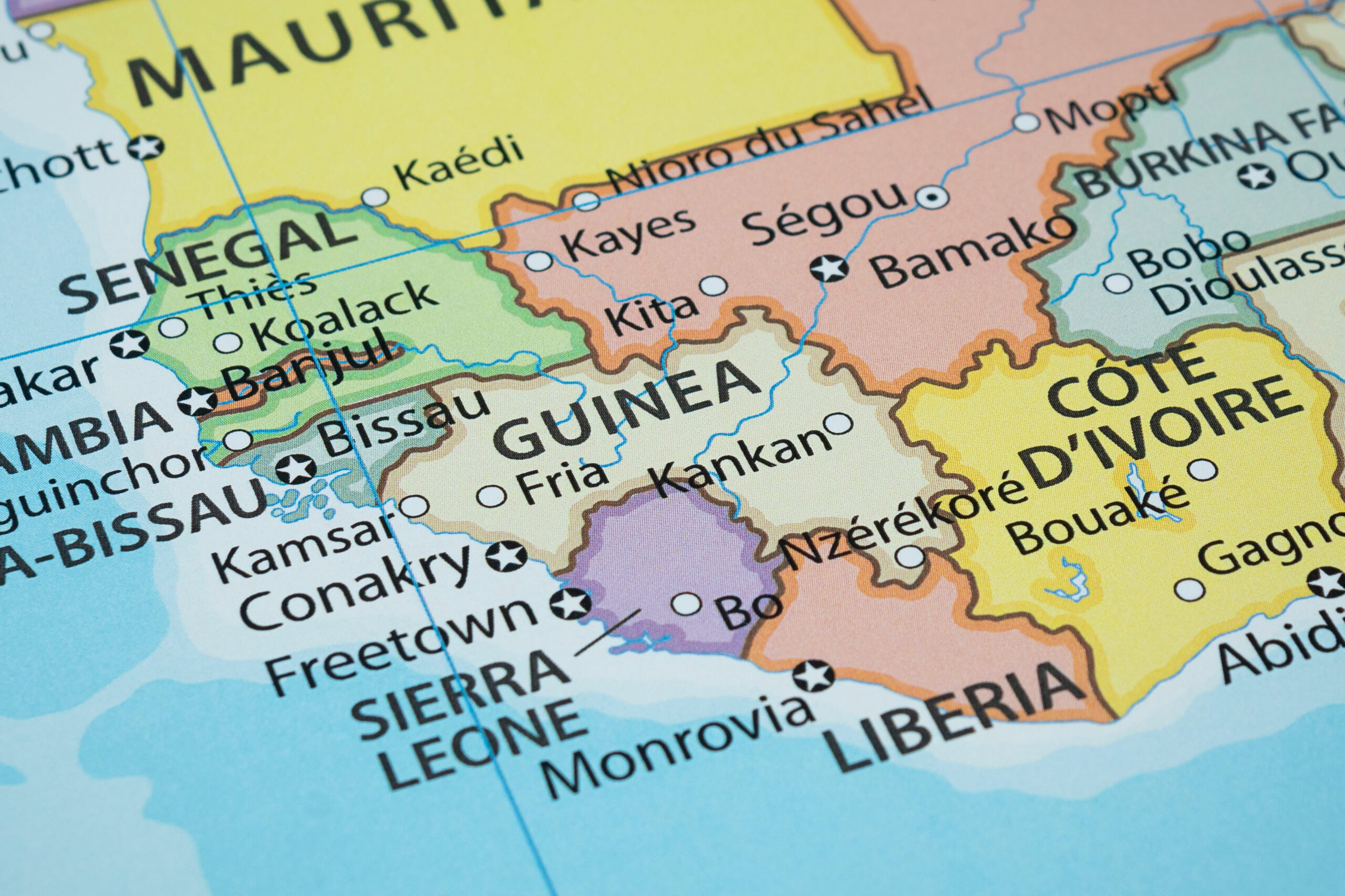

MALABO — Equatorial Guinea is pursuing one of its most ambitious economic reform agendas since the discovery of oil, seeking to reposition its economy through industrial diversification, infrastructure development and a renewed push to attract foreign investment as it prepares for a future less dependent on hydrocarbons.
After decades in which oil revenues underpinned economic growth and public finances, the Central African nation has intensified a series of policy initiatives in 2026 aimed at creating new engines of growth. The strategy comes as African oil producers face declining output from mature fields, volatile energy prices and increasing pressure from the global transition toward lower-carbon economies.
Among the government’s flagship initiatives are the development of major economic transport corridors in partnership with the World Bank, sweeping reforms to the country’s Special Economic Zones (SEZ) framework, an expanded international investment outreach campaign and growing investment in digital infrastructure and telecommunications.
The transport corridor programme, jointly promoted by the Ministry of Transport and the World Bank, is expected to improve regional connectivity, reduce logistics costs and facilitate cross-border trade across Central Africa. Officials view the initiative as a critical component of efforts to transform Equatorial Guinea into a regional logistics and industrial hub serving the Economic Community of Central African States (ECCAS).
Economists argue that modern transport infrastructure is essential for improving private-sector competitiveness, lowering transaction costs and encouraging investment in manufacturing, agribusiness, logistics, trade and export-oriented industries.
At the same time, the government has advanced a comprehensive overhaul of its Special Economic Zones legislation, a reform widely regarded as central to its industrialisation strategy. The proposed legal framework seeks to provide investors with greater regulatory certainty through tax incentives, streamlined administrative procedures, customs facilitation and enhanced legal protections for export-oriented businesses.
The reforms mirror policies adopted by several fast-growing African economies that have successfully used Special Economic Zones to expand manufacturing capacity, diversify exports and attract international capital.
Equatorial Guinea has also intensified its economic diplomacy abroad. During an investment mission to Houston, Vice President Teodoro Nguema Obiang Mangue held meetings with executives from global energy and commodity companies, including Vitol, Seaboard Resources and Jadestone Energy, to explore investment opportunities spanning energy, infrastructure, logistics and emerging productive sectors.
While hydrocarbons remain the country’s largest source of export earnings, policymakers increasingly view the sector as a platform to finance broader economic transformation rather than as the sole driver of long-term growth.
Digital transformation has emerged as another pillar of the government’s economic strategy. In May, Equatorial Guinea hosted the 16th International Telecommunication Union (ITU) Symposium on Information and Communication Technologies, Environment and Climate Change for Africa in Sipopo, bringing together policymakers, regulators, technology firms, development institutions and industry experts from across the continent.
The conference underscored the country’s ambition to strengthen its digital economy while positioning itself as a regional platform for technological innovation, digital infrastructure and sustainable development.
The reform agenda reflects a broader trend across resource-dependent African economies seeking to reduce exposure to commodity price cycles and diversify fiscal revenues. As global investors increasingly prioritise economic resilience and policy stability, governments across the continent are competing to attract long-term private capital into manufacturing, logistics, renewable energy and digital services.
For Equatorial Guinea, the challenge is particularly significant. Although the country once recorded one of the highest GDP per capita levels in Sub-Saharan Africa during the oil boom, declining hydrocarbon production has reinforced the urgency of building new sources of economic growth capable of generating employment, expanding the non-oil tax base and improving long-term productivity.
Analysts caution that the ultimate success of the reform programme will depend less on legislative changes than on implementation. International experience suggests that transport corridors, industrial parks and Special Economic Zones deliver sustained economic gains only when supported by regulatory predictability, institutional efficiency, transparent governance and continued investment in human capital.
If successfully executed, the reforms now underway could reshape Equatorial Guinea’s economic model over the coming decade. By combining infrastructure investment, industrial policy, regional integration and digital transformation with a more open approach to foreign direct investment, the country is positioning itself to become one of Central Africa’s emerging investment destinations and to build a more diversified, competitive and resilient economy beyond oil.