Equatorial Guinea and North Korea seek economic substance for an old alliance
- Equatorial GuineaPolitics
- August 12, 2026
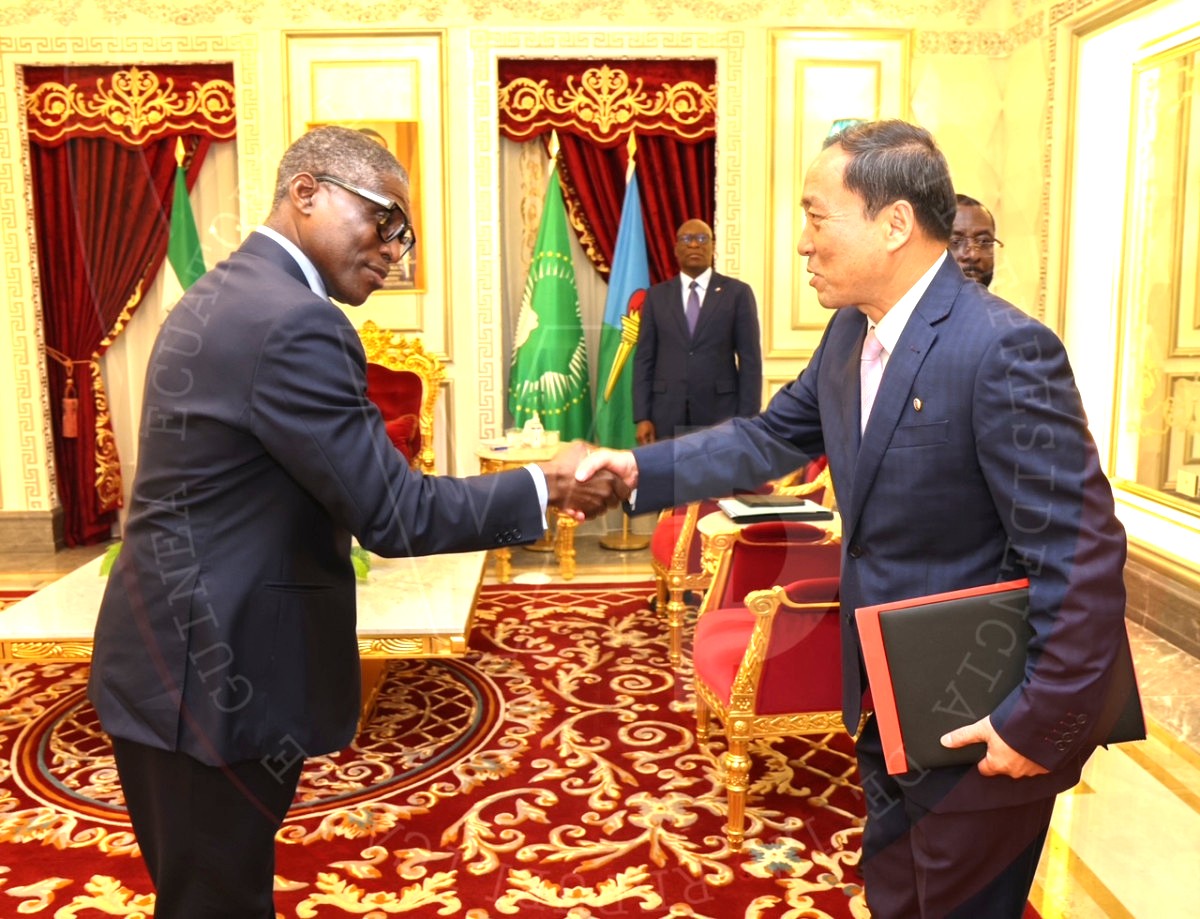

LAGOS – Equatorial Guinea and North Korea are seeking to turn diplomatic ties dating to 1969 into investable projects as Malabo looks beyond declining oil production.
A meeting between Vice-President Teodoro Nguema Obiang Mangue and North Korean ambassador Ri Jae Son designated 2026 as the year for implementing a bilateral roadmap. No contracts, budgets or schedules were disclosed, leaving the initiative exploratory.
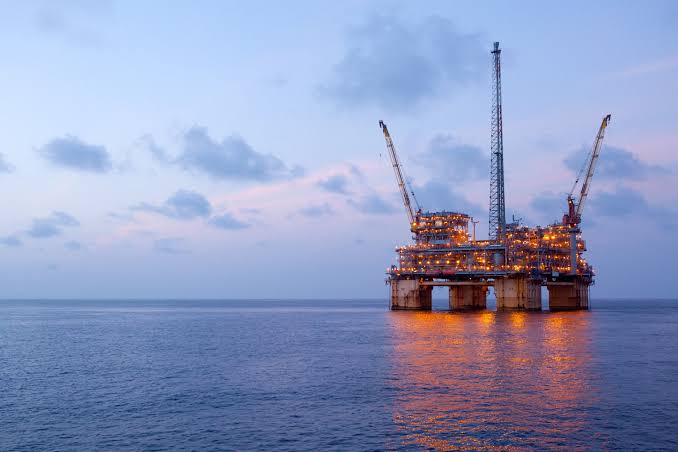
The opening is significant. Equatorial Guinea endured six years of recession from 2015 and contracted again in 2023 before a mild recovery in 2024. With mature oilfields weighing on revenue, agriculture, fisheries, vocational training and infrastructure offer faster returns than capital-intensive megaprojects.
A pilot programme could bundle three investments: a mechanised farm, a vocational institute and a fish-processing plant. An envelope of $15mn-$30mn, released against construction and production milestones, would limit fiscal exposure while testing North Korean technical support. If operational within three years, the projects could target 500 jobs, train 300 technicians annually and replace $5mn-$10mn of food imports a year. These are scenario estimates, not announced targets.
For Pyongyang, the relationship preserves a diplomatic foothold in Africa. For Ciudad de la Paz, it broadens the range of partners as the government transfers administrative functions from Malabo.
UN sanctions restrict North Korean financial operations, state-linked companies and overseas workers. Any programme would therefore require transparent procurement, sanctions screening and independent audits. With those safeguards, a symbolic partnership could become a useful component of Equatorial Guinea’s diversification strategy.