Nigeria Strengthens Integrity Across an AfDB Portfolio Linking Energy, Technology and Regional Trade
- Economic
- September 21, 2026

LAGOS — Nigeria is tightening anti-corruption controls over projects backed by the African Development Bank (AfDB), as the implementation of national and regional investments involves hundreds of millions of dollars in direct financing and ambitions to mobilise billions more in private capital.
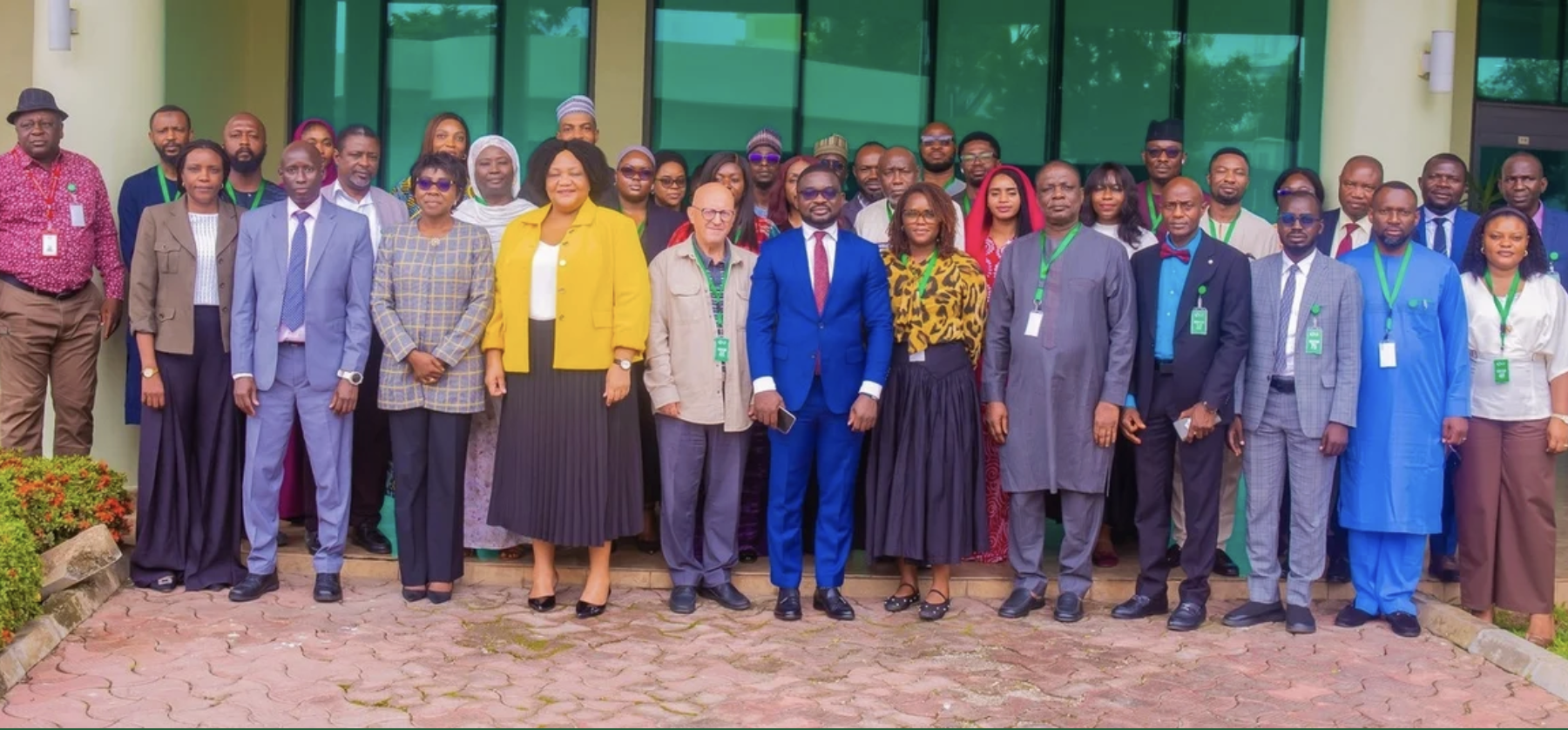
In September, the AfDB’s Integrity and Anti-Corruption Office (PIAC), in partnership with Nigeria’s Independent Corrupt Practices and Other Related Offences Commission (ICPC), held a training programme for project managers, accountants and public-procurement specialists.
Participants included teams working on the Nigeria Electrification Project (NEP), the Investment in Digital and Creative Enterprises (iDICE) programme and the Abidjan–Lagos Highway.
The timing is significant, the NEP received a $200 million sovereign facility, comprising $150 million from the AfDB and $50 million from the Africa Growing Together Fund, approved in November 2018.
The project aims to expand electricity access for households, small businesses and public institutions through solar mini-grids, stand-alone systems and hybrid solutions for educational institutions.
But the implementation timetable is tightening. The loans were signed in March 2019, became effective four months later and have a disbursement deadline of December 31, 2026.
For project teams, procurement failures, conflicts of interest or incomplete records can now have an immediate financial impact, delaying payments, reducing fund absorption and potentially putting asset delivery at risk before the operation closes.
The iDICE programme presents a different combination of opportunity and risk. Valued at $618 million, it aims to finance technology and creative enterprises while expanding workforce skills. Its announced financing structure includes $170 million from the AfDB, about $116 million from the French Development Agency, $70 million from the Islamic Development Bank and $45 million from the Bank of Industry and the Nigerian government. The programme also seeks to mobilise between $131 million and $262 million in private capital.
Its targets are ambitious: support 451 technology start-ups, 226 creative businesses, 75 business-support organisations and train more than 175,000 young people. The estimate of up to 6.1 million direct and indirect jobs, however, should be treated as a programme target rather than employment already created.
The timeline illustrates the gap that can emerge between approval and implementation. The AfDB approved iDICE in December 2021; the loan was signed in September 2022, became effective in February 2023 and the first disbursement took place only in August 2024. The delay does not invalidate the programme’s underlying rationale, but it demonstrates why integrity controls and administrative capacity are critical to converting committed capital into measurable outcomes.
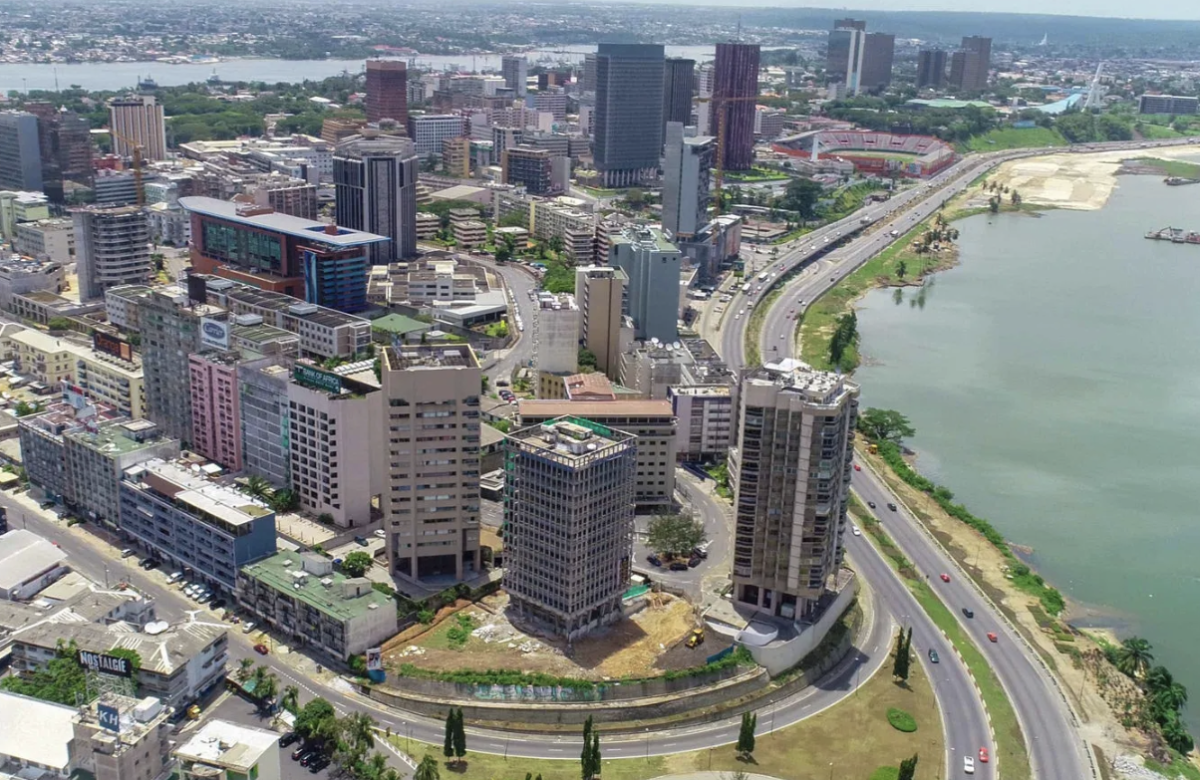
The largest scale lies in the Abidjan–Lagos corridor. The 1,028-kilometre highway is expected to cross Côte d’Ivoire, Ghana, Togo, Benin and Nigeria. Construction is scheduled to begin in 2026, with completion targeted for 2030. The project has attracted up to $15.6 billion in investor interest, although that figure represents indicative interest rather than fully committed financing.
PIAC’s training focused on corruption red flags, public procurement, conflicts of interest, whistleblowing channels, document retention and anti-money-laundering controls. Its effectiveness will ultimately be measured less by the number of officials trained than by the speed of corrective action, the quality of contracts and the volume of projects actually completed.
In this context, integrity is not simply an ethical or compliance requirement. It is an economic variable that affects costs, timelines, the ability to attract capital and, ultimately, the credibility of the development promise.