Cameroon faces another crucial political test
- CameroonCentral AfricaElection
- September 24, 2025
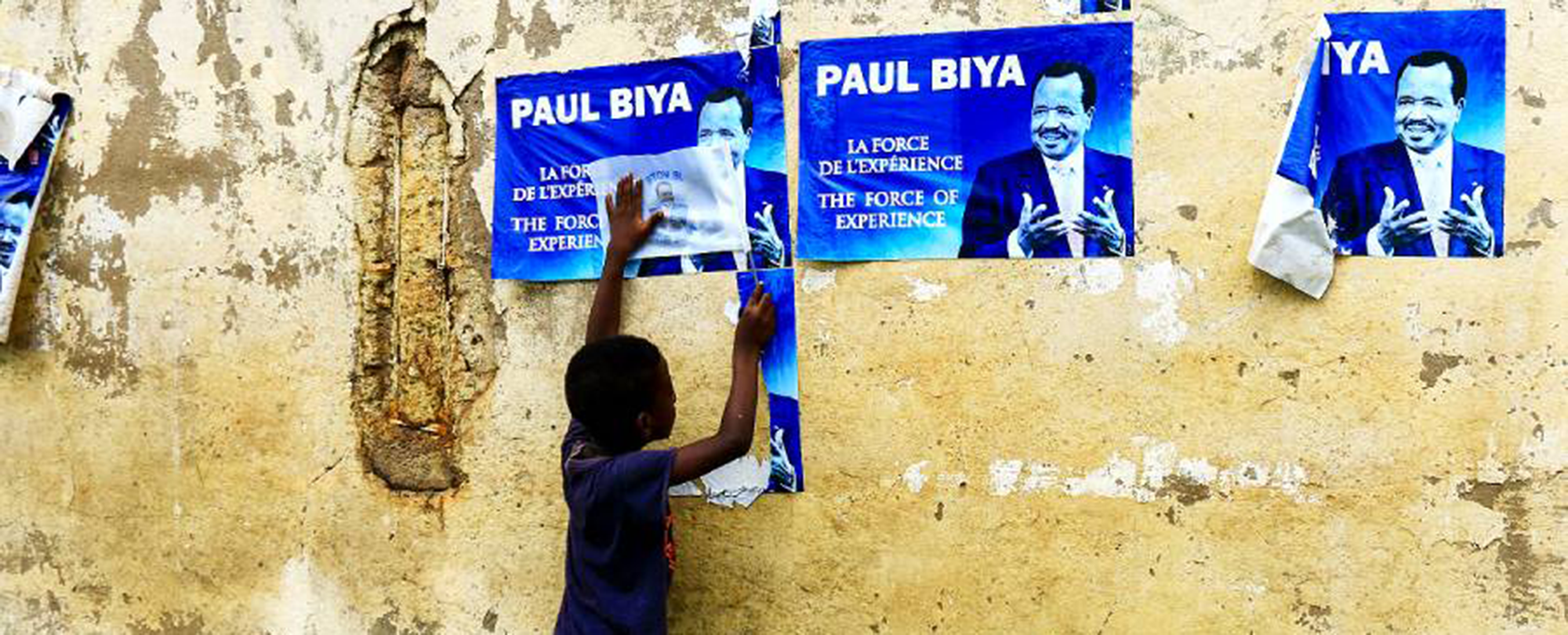

YAOUNDÉ — Forty-three years after first taking power, Paul Biya, now 92, continues to shape Cameroon’s political future. The country is preparing for a presidential election set for October 12, but the process is already clouded by tension, allegations of manipulation, and deep public mistrust toward both the state and its institutions.

AfricaHeadline Reports Team
editorial@dw-demosnewstaion.online
Since 1982, Biya has ruled with a firm grip, backed by the Cameroon People’s Democratic Movement (CPDM), which dominates nearly every branch of government. A 2008 constitutional amendment scrapped term limits, allowing him to run indefinitely. Although Cameroon is officially a multiparty republic, analysts say the reality is a centralized system revolving around the presidency.
The main opposition figure, Maurice Kamto of the Cameroon Renaissance Movement (MRC), was barred from running in July by the electoral commission — a decision widely criticized as political. Without Kamto, opposition parties face a recurring dilemma: their inability to unite behind a single candidate against the CPDM. The risk, as in previous elections, is fragmented votes that all but guarantee another ruling party victory.
Meanwhile, a separatist insurgency in the country’s English-speaking Northwest and Southwest regions continues to erode stability. Since 2016, armed groups have proclaimed the “Republic of Ambazonia” and waged a low-intensity conflict with government forces. Sporadic peace talks have failed to produce a durable cease-fire, while separatist leaders remain divided. Many observers warn that the crisis — a mix of identity politics, grievances of marginalization, and armed resistance — is Cameroon’s most volatile fault line.
Recent reports from the U.N. human rights office warn of mounting restrictions on civic space. Journalists, activists, and opposition figures face growing pressure. Rights groups fear that pre-election crackdowns could further erode the credibility of the vote and fuel urban protests, particularly among unemployed and disillusioned youth.
The government touts its “Vision 2035” plan, pledging industrialization and inclusive growth. But endemic corruption and lack of transparency continue to undermine public trust. Efforts at decentralization, launched in 2020, have so far brought little change, with power and resources remaining tightly concentrated in Yaoundé.
As October approaches, analysts outline three plausible scenarios:
Continuity, with Biya or another CPDM candidate consolidating power.
Controlled opening, with limited concessions to opposition and international pressure.
Crisis of legitimacy, if disputed results spark unrest and violence.
In a continent undergoing rapid political transformation, Cameroon stands at a crossroads. The October vote will not only decide who governs but also whether the country can begin to address its internal fractures and restore confidence among its citizens.