Tinubu tightens grip on power, but Nigerians face rising costs and insecurity
- NigeriaPoliticsWest Africa
- September 24, 2025
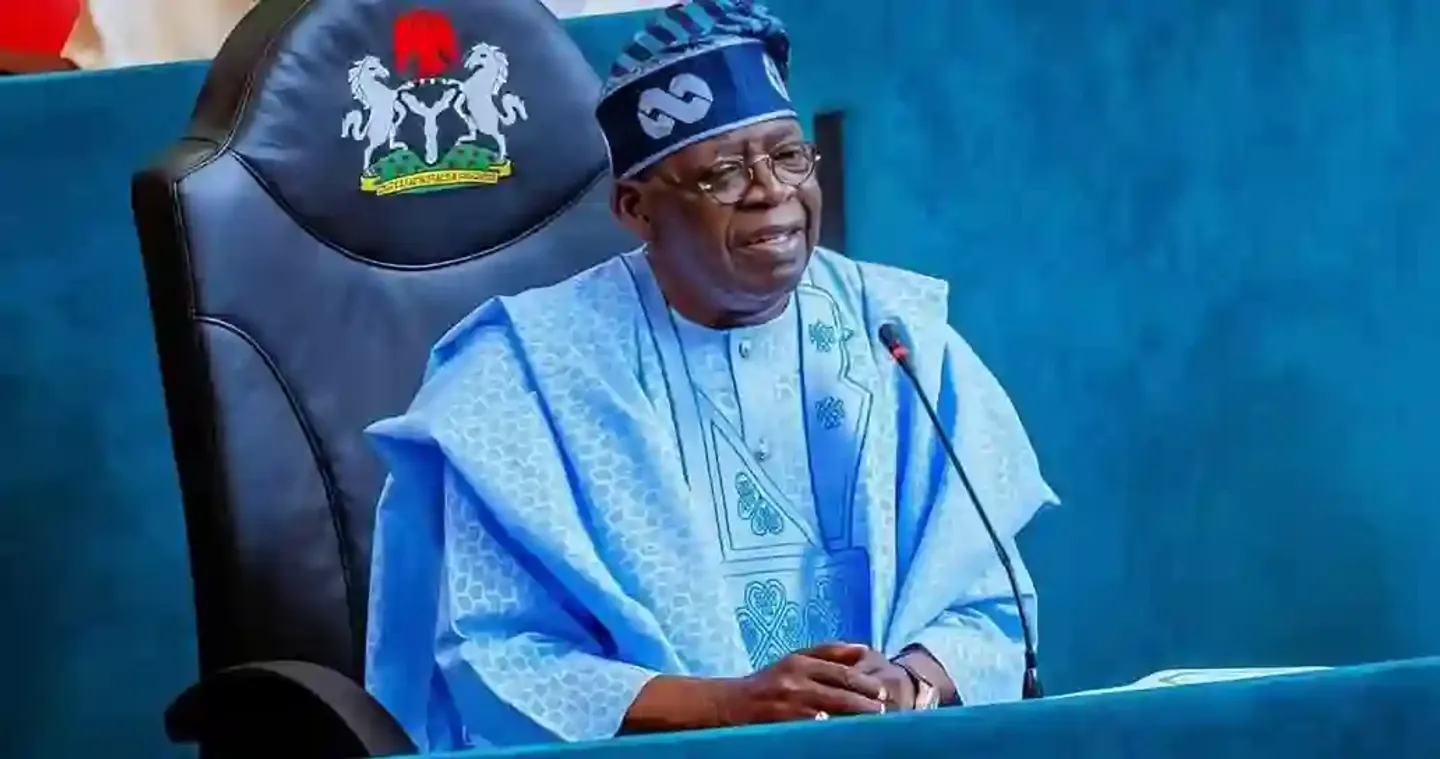

Abuja, Nigeria — President Bola Ahmed Tinubu has tightened his hold on Africa’s most populous nation. His party dominates the presidency, parliament and most state governments. But that control is colliding with a wave of anger over rising prices, deepening insecurity and fading trust in government promises.

AfricaHeadline Reports Team
editorial@dw-demosnewstaion.online
Tinubu, elected in 2023, launched bold economic reforms, removing fuel subsidies and floating the naira. Global lenders cheered. Ordinary Nigerians struggled. Inflation hit 30% in mid-2025, the highest in two decades. Food, rent and transport costs soared.
“We can’t eat policy,” said Fatima Musa, a market trader in Kano. “Every day, the price of rice and tomatoes goes up. My children are hungry.”
In May, the ruling All Progressives Congress (APC) endorsed Tinubu for a second term in 2027. The party controls more than 24 of 36 states and holds majorities in both chambers of parliament.
But governors wield their own power, and factions inside the APC often clash over money, appointments and security. Analysts say those cracks could widen if hardship continues.
Former vice president Atiku Abubakar and ex-candidate Peter Obi have moved closer to the African Democratic Congress (ADC), hoping to build a coalition strong enough to challenge APC dominance.
Their strategy leans on demographics: more than 70% of Nigerians are under 35. Many are angry. The “End Bad Governance” protests of 2024 showed the scale of discontent. “We are tired of promises,” said Adaeze Nwosu, a university student in Enugu. “If nothing changes, 2027 will be our voice.”
Security remains Nigeria’s deepest wound.
In the northeast, Boko Haram and IS affiliates continue deadly raids.
In the northwest, armed gangs kidnap travelers and schoolchildren.
In the Middle Belt, farmer-herder clashes leave villages burned.
In the southeast, separatist groups push for Biafra despite crackdowns.
In March, Tinubu declared a state of emergency in Rivers State, suspending the governor after oil pipelines were sabotaged. The unprecedented move underscored both the fragility of Nigeria’s energy lifeline and the president’s willingness to centralize power.
Tinubu has vowed to overhaul the oil sector. A new bill would strip the state-owned NNPC of control over contracts and give power to an independent regulator. Advocates say it could bring transparency. Opponents warn it threatens patronage networks that fuel Nigerian politics.
Meanwhile, corruption endures. Nigeria ranked 145 out of 180 in Transparency International’s 2025 index. “Without tackling graft, reforms are just headlines,” said Lagos-based economist Funmi Adeyemi.
Nigeria matters far beyond its borders. The country is Africa’s largest economy, holds $116 billion in debt, and is a key U.S. and Chinese partner. Washington has urged Tinubu to balance economic reform with social relief. Beijing, Nigeria’s biggest lender, is deepening investments in infrastructure and energy.
Tinubu still holds the advantage: incumbency, party machinery and control of the state. But inflation, insecurity and disillusionment could rewrite the story.
“The 2027 election will decide more than Tinubu’s future,” said analyst Rotimi Oladipo. “It will test whether Nigeria’s democracy can survive its toughest challenge yet.”