Angola calls for a fairer world order as João Lourenço warns of growing global instability
- Politics
- September 22, 2026
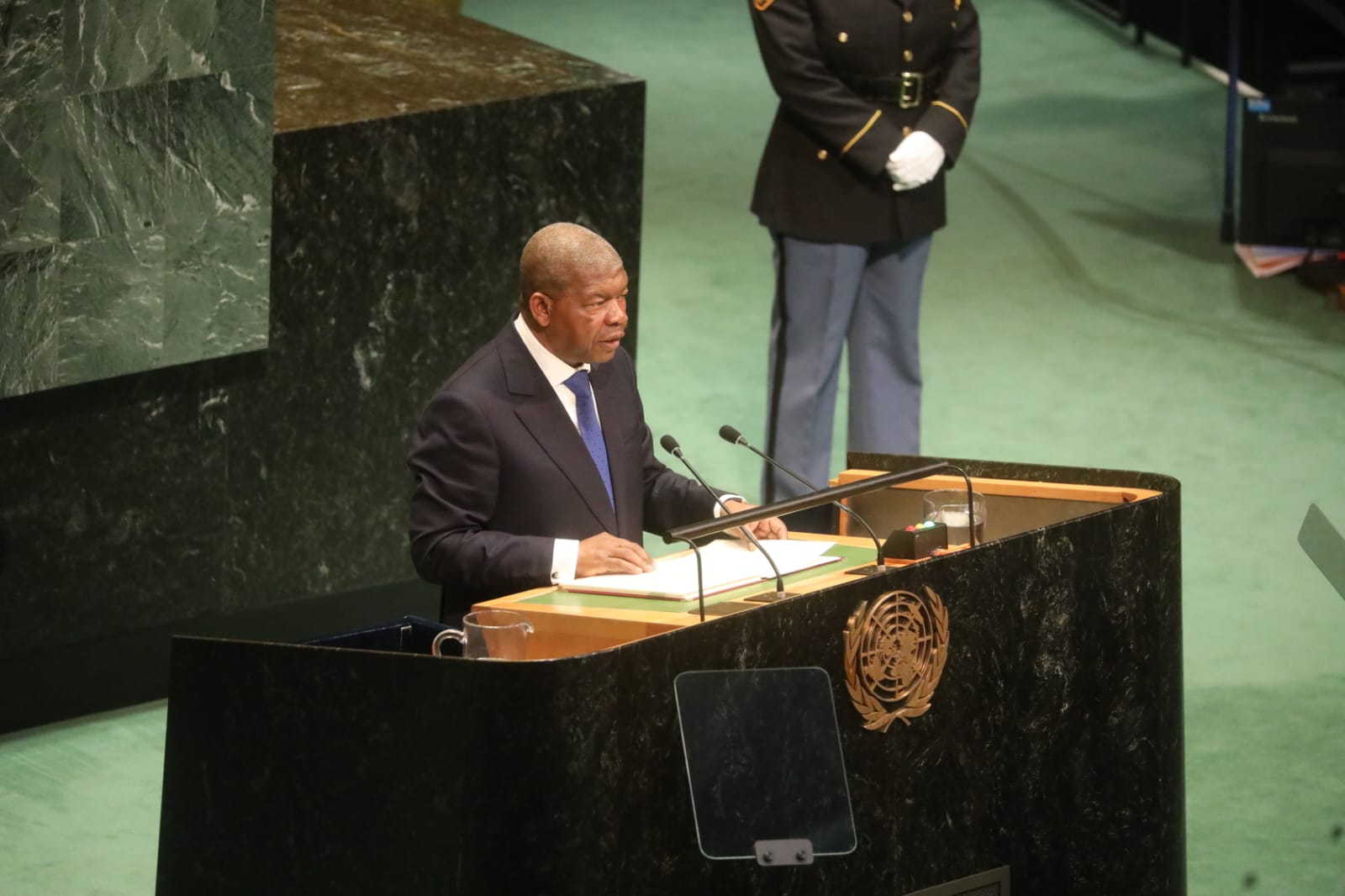

NEW YORK — Angola has called for a stronger and more representative multilateral system as President João Lourenço warned of growing instability, prolonged conflicts and what he described as the weakening of international rules governing relations between states.
Addressing the 81st session of the United Nations General Assembly in New York on Tuesday, Lourenço placed the reform of the international system at the centre of Angola’s foreign policy message, arguing for a greater role for the United Nations in addressing conflicts and global challenges.
The Angolan president has repeatedly defended multilateralism as the basis for international cooperation. In a previous address, he said: “We firmly defend multilateralism, as it is the only inclusive model capable of bringing all the nations of our planet together” to address major global challenges.
Lourenço has also warned that the authority of the United Nations is being undermined when international rules are applied selectively.
In his 2025 address to the General Assembly, he called for the authority of the organisation to be restored and argued that international relations should not be governed by “a logic of double standards.”
That argument remains central to Angola’s position as conflicts continue to reshape the international security and economic environment.
Calls for stronger UN authority
Lourenço has argued that the United Nations must remain at the centre of efforts to prevent and resolve conflicts, while its institutions need to reflect changes in the global balance of power.
Angola has consistently supported reform of the UN Security Council, including permanent African representation. Lourenço has previously argued that the current structure no longer reflects contemporary geopolitical realities.
The demand is part of the broader African position calling for greater representation for the continent in the Security Council and a stronger role in decisions affecting international peace and security.
Gaza, Ukraine and the wider security crisis
The Angolan position comes as the international community faces multiple conflicts, including the wars in Ukraine and the Middle East, as well as prolonged crises in several African countries.
Lourenço has consistently called for dialogue and diplomatic solutions while stressing the need to uphold international law and protect civilians.
In his 2025 UN address, he criticised what he described as the “banalisation of human life” in wars and conflicts and warned that these developments were taking place in violation of international law and the rules governing relations between states.
The president has also repeatedly linked international security to the economic and humanitarian consequences of conflict, particularly food security, energy supplies and the movement of people.
Cuba and sanctions
Cuba has also featured prominently in Angola’s diplomatic position at the United Nations.
In his 2025 General Assembly address, Lourenço called for the “unconditional lifting of the unjust and prolonged embargo against Cuba”, arguing that the measures have consequences for the country’s economy and the living conditions of its population.
He has also criticised unilateral sanctions against other countries, arguing that such measures should be assessed within the framework of international law and multilateral institutions.
Africa seeks a greater role
For Angola, reform of global institutions is closely linked to Africa’s demand for greater representation in international decision-making.
The continent is seeking a stronger voice not only on peace and security but also on development financing, climate change, international trade, technology and the governance of artificial intelligence.
Angola has backed the African Common Position on Security Council reform and has repeatedly argued that decisions affecting Africa should not be taken without meaningful African participation.
Peace and development
Lourenço has also placed economic development alongside peace and security on the international agenda.
For developing countries, Angola argues that access to affordable financing, debt restructuring and technology transfer are essential to achieving the Sustainable Development Goals and reducing structural inequalities.
The burden of debt servicing, particularly in developing economies, has become a growing concern as governments face competing demands for spending on health, education, infrastructure and climate adaptation.
Angola therefore supports changes to the international financial architecture that would provide developing countries with greater access to long-term and affordable financing.
Climate change and global inequality
Climate change is another component of Angola’s broader multilateral agenda.
The president has previously warned that the effects of climate change are increasingly visible and criticised countries and institutions that fail to respond adequately to the risks posed by global warming.
For African countries, the issue is closely connected to development financing, food security, infrastructure and resilience against extreme weather events.
A broader diplomatic message
Lourenço’s intervention places Angola within a wider debate over the future of the international system: how to strengthen multilateral institutions, expand representation in global decision-making and reconcile security with development.
The message from Luanda is that restoring confidence in multilateralism will require more than declarations. Angola is calling for stronger institutions, greater representation for developing regions and international rules that are applied consistently across conflicts and geopolitical disputes.
The debate comes as the 81st UN General Assembly seeks to address the theme of restoring trust and managing transformation, with world leaders confronting a global environment increasingly shaped by conflict, economic fragmentation, climate pressures and rapid technological change.