Ghana to fund Mother’s trip to New York to mourn teenager killed in Bronx
- In a NutshellWorld
- November 2, 2026
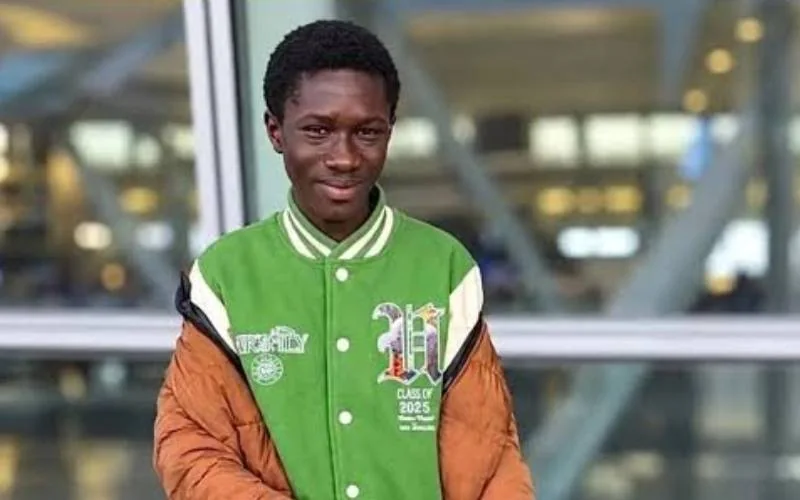

Accra will cover the travel costs of Doris Adu Gyamfi, mother of 15-year-old Javits Frimpong, following the teenager’s tragic death in New York.
ACCRA – The Ghanaian government has pledged to cover the full cost of a trip to the United States for Doris Adu Gyamfi, the mother of 15-year-old Javits Frimpong, who was fatally shot in New York, allowing her to pay her final respects to her son.
Foreign Affairs Minister Samuel Okudzeto Ablakwa announced the government’s commitment to ensure that the grieving mother can travel to the United States at a time of profound personal loss.
The initiative follows diplomatic efforts involving US President Donald Trump and New York City Mayor Zohran Mamdani, who helped facilitate the issuance of a visa for the teenager’s mother.
Beyond covering travel expenses, the Ghanaian government has also expressed its willingness to contribute towards a dignified funeral, reinforcing its support for the bereaved family.
A tragedy that has prompted solidarity
Javits Frimpong, 15, was fatally shot in the Bronx, New York, on October 29, 2026, while on his way to school. Authorities are continuing to investigate the circumstances surrounding the killing.
The teenager’s death has prompted widespread sorrow and mobilised both Ghanaian and US officials, highlighting the challenges faced by families whose relatives die abroad.
For Doris Adu Gyamfi, the opportunity to travel to the United States represents more than an international journey. It offers a chance to say goodbye to her son and participate in a final farewell that no parent should have to endure under such circumstances.
Diplomacy beyond borders
Accra’s decision represents a tangible expression of government solidarity and consular assistance, underscoring the role of diplomacy in protecting citizens and supporting families during emergencies.
By assuming the financial burden of the journey, the government aims to ease the economic pressures surrounding an already devastating tragedy, allowing the mother to focus on mourning and saying goodbye to her son.
The case highlights the human dimension of foreign policy. Behind visas, diplomatic procedures and relations between governments are families confronting irreversible loss.
At a time of profound grief, Ghana’s intervention seeks to ensure that Doris Adu Gyamfi can honour her son’s memory with dignity.