After a calm election and peaceful swearing-In, Tanzania sets a new standard for Africa’s democracies
- ElectionTanzania
- November 4, 2025
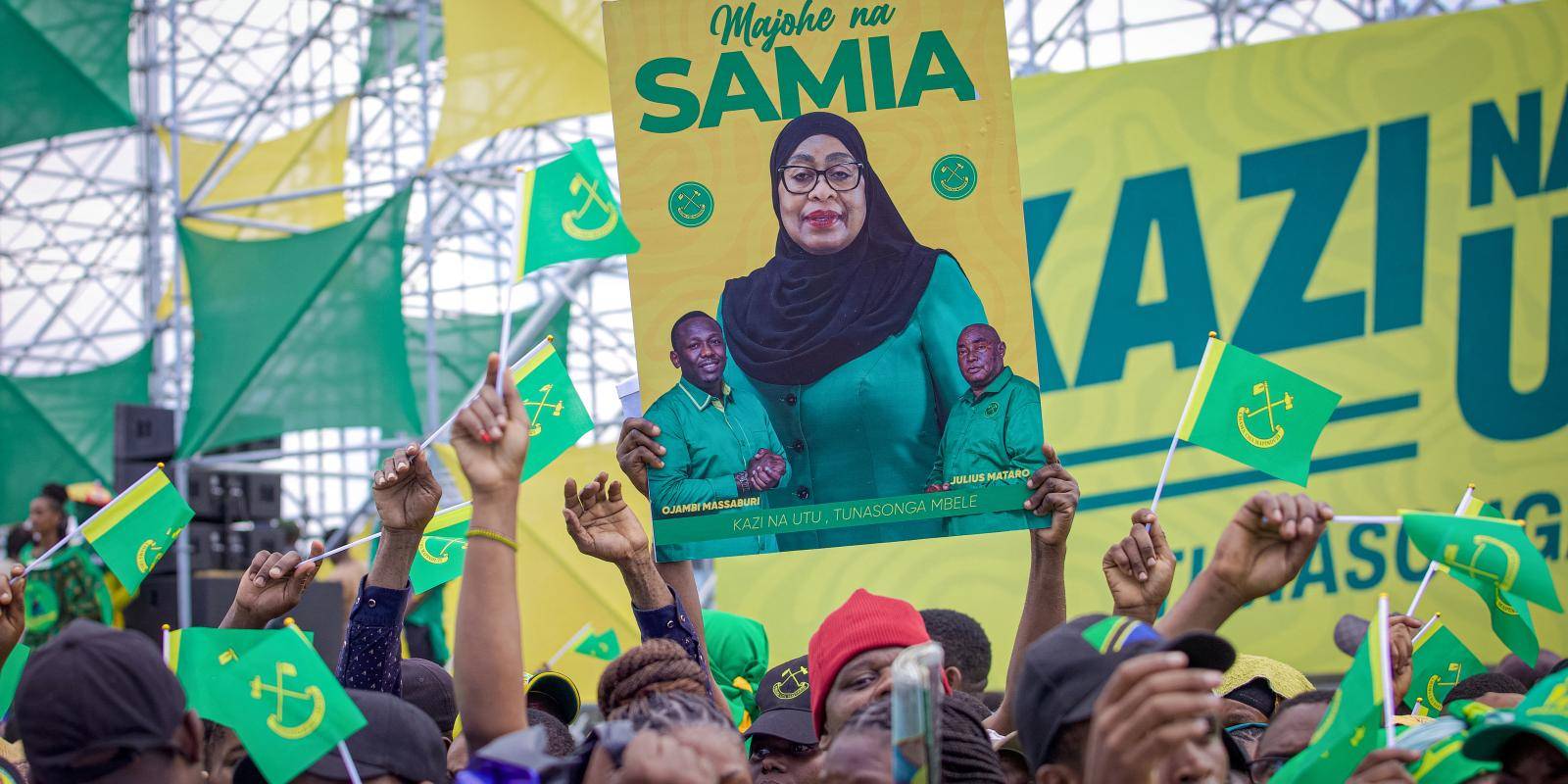

In a region where elections often trigger violent street protests, disputed results, and prolonged constitutional crises, Tanzania’s recent presidential vote delivered an uncommon image of restraint, institutional calm, and democratic maturity. The re-election of President Samia Suluhu Hassan, followed by a smooth and uneventful inauguration ceremony, is being viewed as a potential turning point for electoral conduct in East Africa.

AfricaHeadline Reports Team
editorial@dw-demosnewstaion.online
With an estimated 62% voter turnout, according to the National Electoral Commission, the election was described by African Union observers as “peaceful, orderly, and marked by a high level of civic responsibility.” For many analysts, the atmosphere reflected a shift in both political culture and voter expectations, as Tanzanians rejected the confrontational model that has fuelled post-election instability in neighbouring nations.
“The real test for African democracies is not election day, it’s the day after,” a Tanzanian scholar from the University of Dodoma told AfricaHeadLine on condition of anonymity. “The fact that Tanzania emerged from the post-election period without violence shows a political maturity that cannot be ignored.”
Samia Suluhu Hassan’s re-election is widely interpreted as a public endorsement of a leadership style grounded in moderation, reconciliation with the opposition, and the reopening of civic space, a notable departure from more restrictive political periods in the country’s recent past. Unlike other regional capitals, where inaugurations often unfold amid heavy military deployment and legal disputes, Tanzania remained calm, business continued uninterrupted, and institutions functioned normally, signalling confidence rather than crisis.
The African Union and the Southern African Development Community (SADC), which deployed election observation and advisory missions, played a quiet but strategic role in reinforcing respect for electoral norms and post-poll stability. While frequently criticised for “soft diplomacy,” the Tanzanian case suggests that early monitoring, discreet mediation, and preventive diplomacy can yield tangible results.
Still, analysts caution that stability should not be mistaken for democratic perfection. Concerns remain over media independence, the long-term operating space for the opposition, and the need for deeper reforms to entrench political pluralism. The absence of turmoil is a milestone, not an endpoint.
The contrast with recent East African elections is striking. While some neighbouring states have experienced deadly unrest, military crackdowns, or prolonged judicial battles over disputed results, Tanzania moved in the opposite direction. It respected institutional processes, contained post-election tensions, and confirmed the outcome without political theatrics, a pattern that, if sustained, could position the country as a reference point for peaceful electoral transitions in the region.
For many observers, the 2025 vote will be remembered not only as the continuation of a mandate, but as the beginning of a new phase in Tanzanian politics, one in which elections cease to be a trigger for instability and finally become what they should always be: a civic exercise in nation-building.