Guinea’s 9% growth forecast raises the jobs challenge
- Economic OutlookGuinea
- September 24, 2026

The African Development Bank sees mining expansion and the Simandou project as a historic opportunity. But with more than 70% of jobs in the informal sector and a financing gap of about $15bn, turning growth into broad-based development will depend on fiscal reform and productive investment.
CONAKRY — Guinea’s economy could grow by more than 9% in 2026 and 2027, driven largely by mining expansion and the Simandou iron ore project. But the African Development Bank (AfDB) warns that faster growth will not automatically deliver jobs or inclusive development.
In its 2026 Country Focus Report, the bank calls the outlook a historic opportunity. Converting it into productive investment, it says, will require Guinea to mobilise more public and private resources, improve the quality of public spending and deepen its financial system.
The scale of the challenge is clear, Tax revenue is equivalent to about 13% of gross domestic product, while more than 70% of jobs are in the informal sector. The report sees scope to broaden the tax base gradually without placing a heavier burden on the limited number of formal businesses. It also recommends cutting tax exemptions and digitising tax and customs procedures.
“This transformation will depend on the country’s ability to increase domestic resource mobilisation, improve the quality of public spending, prepare bankable projects, attract private capital and deepen its financial system,” said Laté Dodji Lawson Zankli, the AfDB’s country manager in Guinea.
The report puts the average financing gap for the Simandou 2040 programme at about $15bn. To help close it, the bank urges the government to accelerate the preparation of priority projects, attract private capital and support local suppliers. It also calls for mechanisms to stabilise extractive revenues, which would reduce the budget’s exposure to swings in international prices.
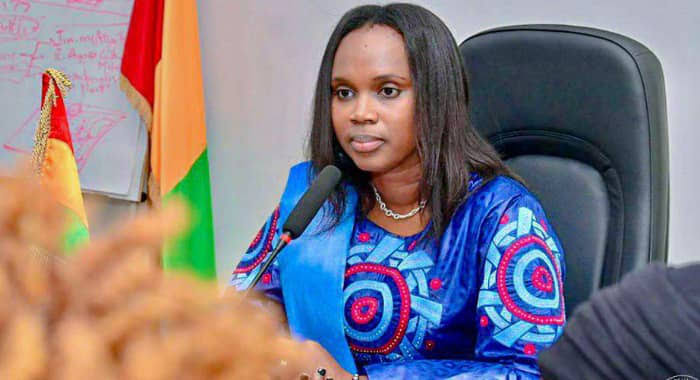
Mariama Ciré Sylla, Guinea’s minister of economy, finance and budget, highlighted the need to widen the tax base without increasing the burden on formal businesses at the report’s launch in Conakry. She also pointed to the country’s capacity to absorb financing and implement projects as a priority.
The AfDB recommends stronger financial supervision and credit information systems, alongside the development of insurance, pension and investment funds, and the domestic capital market. The aim is to broaden financing beyond public revenues and mining.
The growth outlook remains vulnerable to concentrated exports, climate shocks, volatile international prices and tighter global financial conditions. Those risks make it more pressing for Guinea to turn extractive revenues into lasting investment.
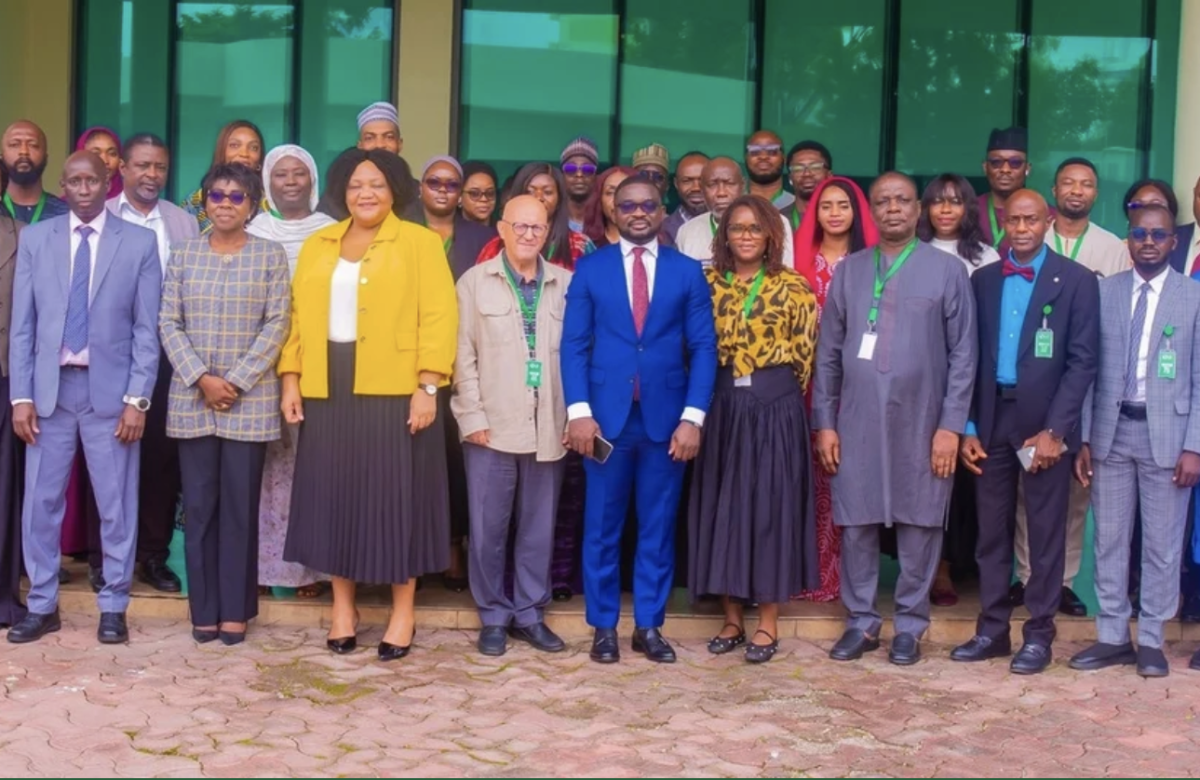
The report was presented to Guinean authorities on September 11. The AfDB publishes its Country Focus Reports annually, adapting the African Economic Outlook’s analysis to individual countries.