Cameroon’s economy on track for 2024 growth, but fiscal and inflation challenges loom
- CameroonEconomic
- October 26, 2024
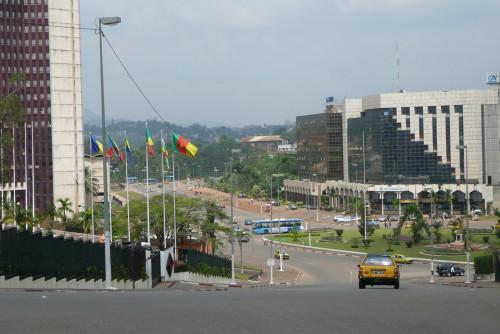

Cameroon’s economy is projected to expand by 3.9% in 2024, building momentum from public investments and infrastructure projects, such as the Nachtigal hydroelectric dam and the Memve’ele power plant, which are poised to enhance manufacturing through improved energy access. This growth, however, comes amid inflationary pressures and ongoing fiscal challenges.
The inflation rate, which stood at 5.9% at the end of 2023, is expected to decline slightly to 5.5% by the end of 2024. While the downward trend reflects tighter monetary policy and more stable import prices, inflation remains above the 3% target set by the Central African Economic and Monetary Community (CEMAC), with food prices continuing to strain household budgets.
Cameroon’s budget deficit is projected at approximately 1% of GDP in 2024, reflecting fiscal pressures amid efforts to reduce public debt. Current projections aim to lower the debt-to-GDP ratio to 36.3% by 2027, signaling a commitment to long-term fiscal sustainability. Programs supported by the International Monetary Fund (IMF) and World Bank are playing a crucial role in bolstering fiscal reforms and promoting economic diversification into agriculture, forestry, and the service sectors.
Despite these economic strides, Cameroon faces significant challenges. With over 42% of the population living below the poverty line, inclusive growth remains a critical objective. Security risks, particularly in the Anglophone regions and the Far North, along with political uncertainties ahead of the 2025 presidential elections, pose threats to the country’s stability and economic recovery.
Looking ahead, the medium-term outlook remains positive, with GDP growth projected to reach 4.3% in 2025. Cameroon’s ability to sustain this momentum will depend on accelerating governance reforms, ensuring macroeconomic stability, and attracting private investments through a favorable business environment.
This growth trajectory highlights the resilience of Cameroon’s economy, but addressing structural challenges will be essential to secure sustainable development for the future.